Building a Relapse Prevention Plan After Rehab
A relapse prevention plan after rehab helps people maintain sobriety. It identifies triggers, prepares responses to cravings, and connects people with support. Start with a written daily plan, avoid risky places, and keep emergency contacts nearby. Attend continuing care and act quickly when warning signs appear. If you feel like relapsing, leave the risky situation and contact someone you trust. Seek immediate help if your safety is at risk.
Contact Us TodayWritten by Prasanta Dash, Founder & Managing Trustee · 10 years of local experience
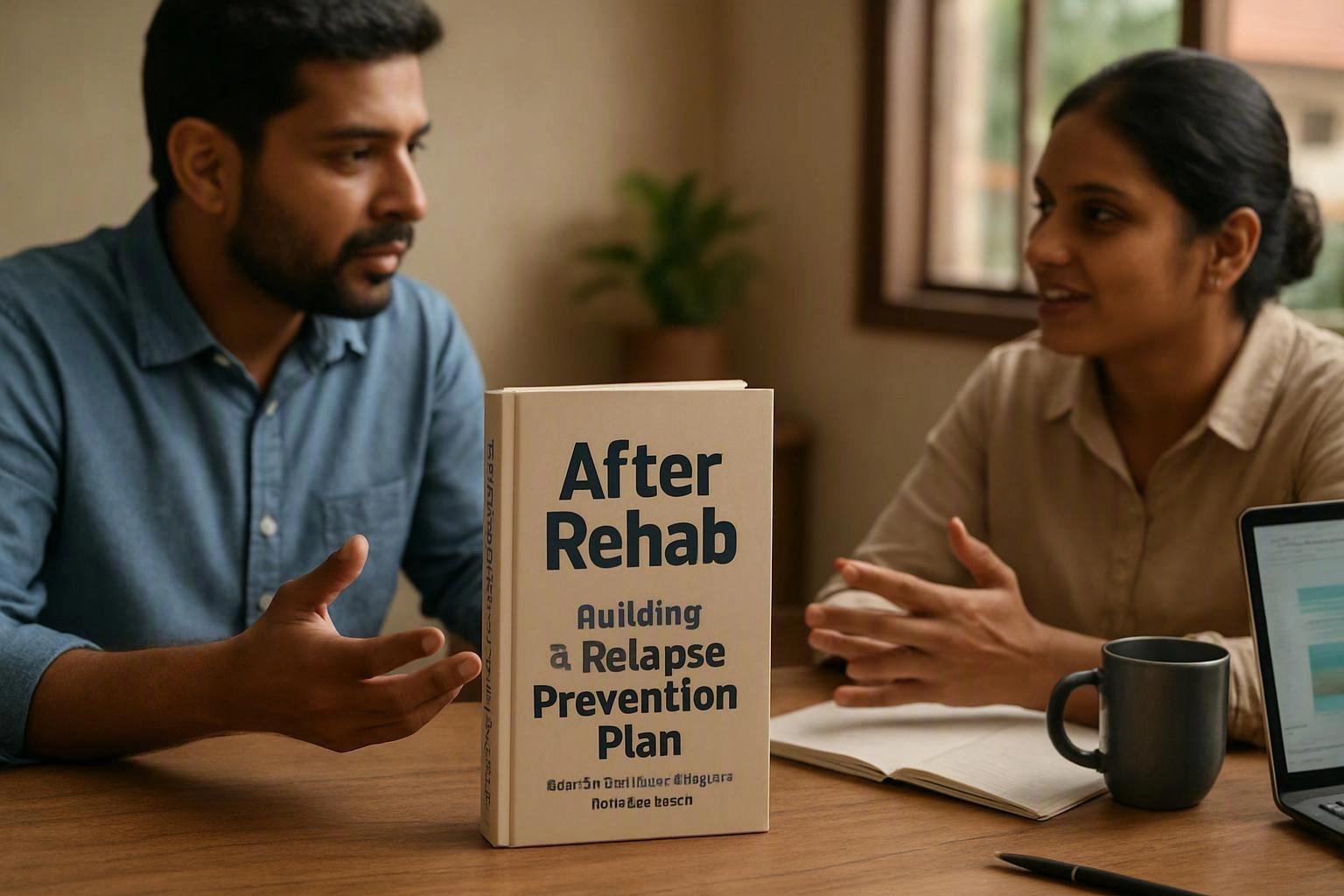
Recovery continues after someone leaves residential or outpatient treatment. This page explains practical ways to manage drug cravings and protect mental health. It also covers family support and easy access to care.
At Steps Deaddiction & Mental Health Services, we help people link discharge planning with practical aftercare. We also support continuing care. Author: Prasanta Dash.
What a Relapse Prevention Plan After Rehab Should Include?
A relapse prevention plan after rehab is a written strategy for staying sober after treatment. It should fit the person’s needs. The plan should list triggers, warning signs, coping steps, support contacts, appointments, and emergency actions. This helps a person act before cravings or risky situations lead to substance use.
The plan should reflect the person’s substance use disorder. It shouldn’t be a general checklist. Consider the substance used, length of use, withdrawal history, physical health, and mental health. Also consider housing, work pressure, relationships, and access to care. Depression, anxiety, or trauma may require closer clinical follow-up.
Start with recovery goals that feel clear and practical. These may include staying substance-free today, attending counseling, or repairing family relationships. Other goals may include returning to work, improving sleep, or taking prescribed medicine correctly. Break larger goals into daily actions. This keeps progress manageable and reduces shame.
Write down internal triggers such as anger, loneliness, boredom, shame, pain, or overconfidence. External triggers may include certain people, places, celebrations, money, conflict, or social media. Contact with a former supplier can also create risk. Add a response for each trigger. You might leave, call someone, attend a meeting, walk, or speak with a counselor.
A useful plan includes a list of support contacts and their roles. Add a trusted family member, sponsor or peer, therapist, prescribing clinician, treatment service, and emergency service. Ask each person what help they can offer and when you can contact them. Keep the list on your phone and on paper.
Aftercare works better when it’s scheduled before discharge. Confirm appointments, transport, medicine follow-up, group times, and family sessions. Cognitive behavioral therapy can help people notice automatic thoughts and practise safer responses. A peer support group can also help. Members understand many recovery challenges firsthand.
Review the plan often. Triggers can change after job loss, moving, illness, conflict, or treatment changes. The goal isn’t to predict every problem. It’s to make the next safe action clear when stress or cravings affect judgment.
Your Aftercare Timeline: Immediate Steps, First Week, First Month, and Ongoing Support
An aftercare timeline turns recovery goals into scheduled actions. After rehab, confirm support and appointments. During the first week, protect sleep and avoid triggers. During the first month, strengthen counseling and sober routines. Ongoing support includes plan reviews, regular care, and early help when stress or cravings change.
| Time period | Required actions | What to review |
|---|---|---|
| Immediate | Confirm housing, transport, medicine instructions, counseling appointments, and emergency contacts. | Check whether the home is safe and substances or paraphernalia are gone. |
| First week | Follow a simple recovery routine, attend the first appointment, protect sleep, eat regularly, and avoid risky settings. | Review cravings, withdrawal concerns, mood changes, isolation, and barriers to care. |
| First month | Continue counseling, try a support group, use coping skills, attend suitable family sessions, and build sober activities. | Identify useful support and check whether treatment still fits the person’s needs. |
| Ongoing | Review the plan, keep appointments, watch for warning signs, and ask for help before problems grow. | Review new stress, substance access, mental health needs, and recovery goals. |
The timeline should fit the client’s history and surroundings. Someone returning to a stable home may need regular outpatient counseling. Someone facing conflict, substance access, or unstable housing may need structured outpatient care. They may also need more frequent monitoring.
There’s no single schedule for everyone. Many people benefit from several planned contacts during the first month. Later contact can match their clinical needs and stability. Qualified professionals should guide counseling, peer support, medicine follow-up, and family sessions.
How to Avoid Relapse After Drug Rehab?
Avoiding relapse after drug rehab requires regular routines, trigger planning, coping skills, and ongoing support. Use a daily schedule and remove substances and related paraphernalia. Avoid risky people and places. Manage stress with healthy activities. Contact support early when cravings, isolation, or emotional distress increase.
Use these steps as a daily craving response plan. Adjust them to medical advice, the substance involved, and the person’s living situation.
Trigger avoidance doesn’t mean avoiding life forever. It means building safety while coping skills and confidence grow. Over time, treatment may help a person face selected situations with preparation and clear boundaries.
Warning Signs That Recovery Needs Attention
Relapse warning signs often appear before substance use. They may begin with emotional distress or neglected recovery habits. A person may isolate, miss appointments, idealize past use, or abandon routines. They may hide behaviour or reconnect with unsafe contacts. Spotting these signs early gives the care team time to help.
These signs don’t prove that substance use will return. They show that the person needs attention and connection. A higher level of care may also help. A family member can ask a calm, direct question and offer to contact the treatment team. Avoid threats, shame, and arguments during distress.
What Should I Do if I Feel Like Relapsing?
If you feel like relapsing, leave the triggering situation and delay acting on the urge. Contact someone you trust or a treatment professional right away. Use a coping strategy such as walking, breathing, or urge surfing. Don’t stay alone with access to substances. Seek urgent help if you may harm yourself or someone else.
Use this crisis response pathway:
Emergency support is needed for overdose risk, severe confusion, dangerous withdrawal, suicidal thoughts, violence, or an inability to stay safe. Contact local emergency services or visit the nearest emergency department. If someone has taken opioids and won’t wake up or is breathing abnormally, treat it as an emergency. Follow local medical guidance.
Cravings can feel intense, but they aren’t permanent. Early connection is safer than testing willpower alone. A contact list and written emergency relapse protocol can speed up access to help.
How to Maintain Sobriety After Rehab?
Maintaining sobriety after rehab means treating recovery as an ongoing process. Continue counseling or support groups and follow medical guidance. Build sober relationships, protect sleep and nutrition, manage stress, and celebrate progress. Review the relapse prevention plan when risks or life circumstances change.
Choose support based on your needs. Individual counseling may help with trauma, anxiety, depression, relationship conflict, or private concerns. Cognitive behavioral therapy can help identify thought patterns and practise new behaviour. A peer support group can reduce loneliness and provide regular accountability.
Medicine follow-up matters when medicine is prescribed for addiction, withdrawal, pain, or mental health. Keep appointments and report side effects, missed doses, renewed cravings, or mood changes. Don’t start, stop, or share medicine without clinical guidance.
Family support works best when expectations are clear. Family education can explain substance use disorder as a health condition. It can also teach relatives how to respond to warning signs. Family sessions can help set boundaries around money, substances, conflict, and housing. They should include the person’s consent and safety needs.
Build a healthy lifestyle slowly. Regular sleep, nourishing meals, movement, water, hobbies, sunlight, and meaningful work can support emotional health. Avoid replacing substance use with unsafe gambling, compulsive spending, or other harmful behaviours.
Measure progress through actions, not perfection. Attending an appointment, sharing a craving, leaving a risky place, or repairing a missed connection all matter. If the plan no longer fits, revise it with the care team instead of abandoning it.
How a Rehabilitation Centre Can Strengthen Your Aftercare Plan?
A rehabilitation centre strengthens aftercare by connecting discharge planning with relapse prevention, counseling, family education, and follow-up support. A coordinated team can find unresolved risks and suggest suitable continuing care. The team can also involve trusted family members and adjust the plan when cravings, mental health symptoms, or life pressures change.
Before discharge, our team can review substance use, earlier treatment, withdrawal risks, and mental health needs. We can also discuss family life, housing, work, transport, and access to continuing care. This creates a post-rehab recovery plan based on real needs.
The right support depends on each person’s situation. Ongoing individual counseling may suit someone who is stable but needs help with trauma, mood, or coping. A peer support group may help when connection and accountability are missing. Medicine follow-up matters when a clinician has prescribed treatment or cravings need medical review.
Family sessions may help when relatives provide housing, transport, safety, or daily support. A structured outpatient programme may be safer when cravings remain frequent. It may also help when housing is unstable, appointments are missed, or substance access returns. Severe risk may require urgent assessment or a higher level of care.
Our team can coordinate recovery monitoring through scheduled check-ins and agreed warning signs. With consent, we can also communicate with family or other providers. Monitoring should support care, not become surveillance. The person should know what information is shared, with whom, and why.
People often compare a Recovery Centre in Bhubaneswar with a Best de-addiction centre by looking beyond the label. Ask how the service handles discharge planning, mental health care, family education, medicine, missed appointments, and possible lapses. A rehabilitation center should explain its continuing-care process clearly.
We help clients create practical next steps, but no programme can promise guaranteed recovery outcomes. Setbacks can happen. Timely support can reduce harm and help restore treatment.
Get a Free EstimateQuestions About Rehabilitation Center
What Are the Three P's of Relapse Prevention?
The three P’s are often described as planning, persistence, and patience. Planning means identifying triggers and preparing responses. Persistence means continuing care and healthy actions when motivation changes. Patience recognises that recovery takes time. Learning from difficulties is safer than giving up.
How Long Does the Risk of Relapse Last After Rehab?
Risk can change throughout recovery and doesn’t end after a set number of days or months. It may rise during stress, grief, illness, conflict, or renewed substance access. This can happen after a long stable period. Continuing care and regular plan reviews help match support to current risk.
What Are the Early Warning Signs of Relapse?
Early signs may include emotional distress, isolation, missed treatment, poor sleep, and abandoned routines. Other signs include idealizing past use, reconnecting with unsafe contacts, hiding behaviour, or renewed substance access. Acting early can stop risk from becoming a return to use.
Can You Relapse After Being Sober for Years?
Yes. Renewed cravings or substance use can happen after years of sobriety, especially after major stress or old triggers. This doesn’t erase earlier progress. Contact someone you trust and a treatment professional quickly. Review the plan and address the event without shame.
What Is the Difference Between a Slip and a Relapse?
A slip usually means a brief return to substance use followed by quick disclosure and safety steps. Relapse often means a wider return to an earlier pattern. The terms matter less than the response. Stop use, seek medical and clinical support, reduce access, and update the aftercare plan.
For questions about continuing care, counseling, family involvement, or urgent recovery support, contact our team.
Related Resources
How Much Does Rehabilitation Cost in Bhubaneswar?
rehabilitation centre cost Bhubaneswar
How to HireHow to Choose Rehab When Addiction and Mental Health Overlap
dual diagnosis rehab Bhubaneswar mental health addiction
Brand vs BrandWhy Families Compare Steps Deaddiction With Other Rehab Centres
Steps Deaddiction and Mental Health Services vs rehab centres Bhubaneswar
How It WorksWhat Happens After Rehab? Family Support and Continuing Care
rehab aftercare and family counselling Bhubaneswar