How to Choose Dual Diagnosis Rehab in Bhubaneswar
Dual diagnosis rehabilitation in Bhubaneswar helps people manage addiction and mental health needs together. Care may include assessment, psychiatric support, counselling, withdrawal management, relapse prevention, and family support. At Steps Deaddiction & Mental Health Services, we help families compare treatment plans, safety steps, costs, and ongoing support. Ask if psychiatric reviews, medicine checks, crisis planning, and de-addiction care work together. Confirm the residential or outpatient setup, likely duration, costs, privacy rules, and aftercare plan. Treatment should fit the person’s substance use, symptoms, medical needs, safety risks, and ability to take part.
Contact Us TodayWritten by Prasanta Dash, Founder & Managing Trustee · 10 years of local experience
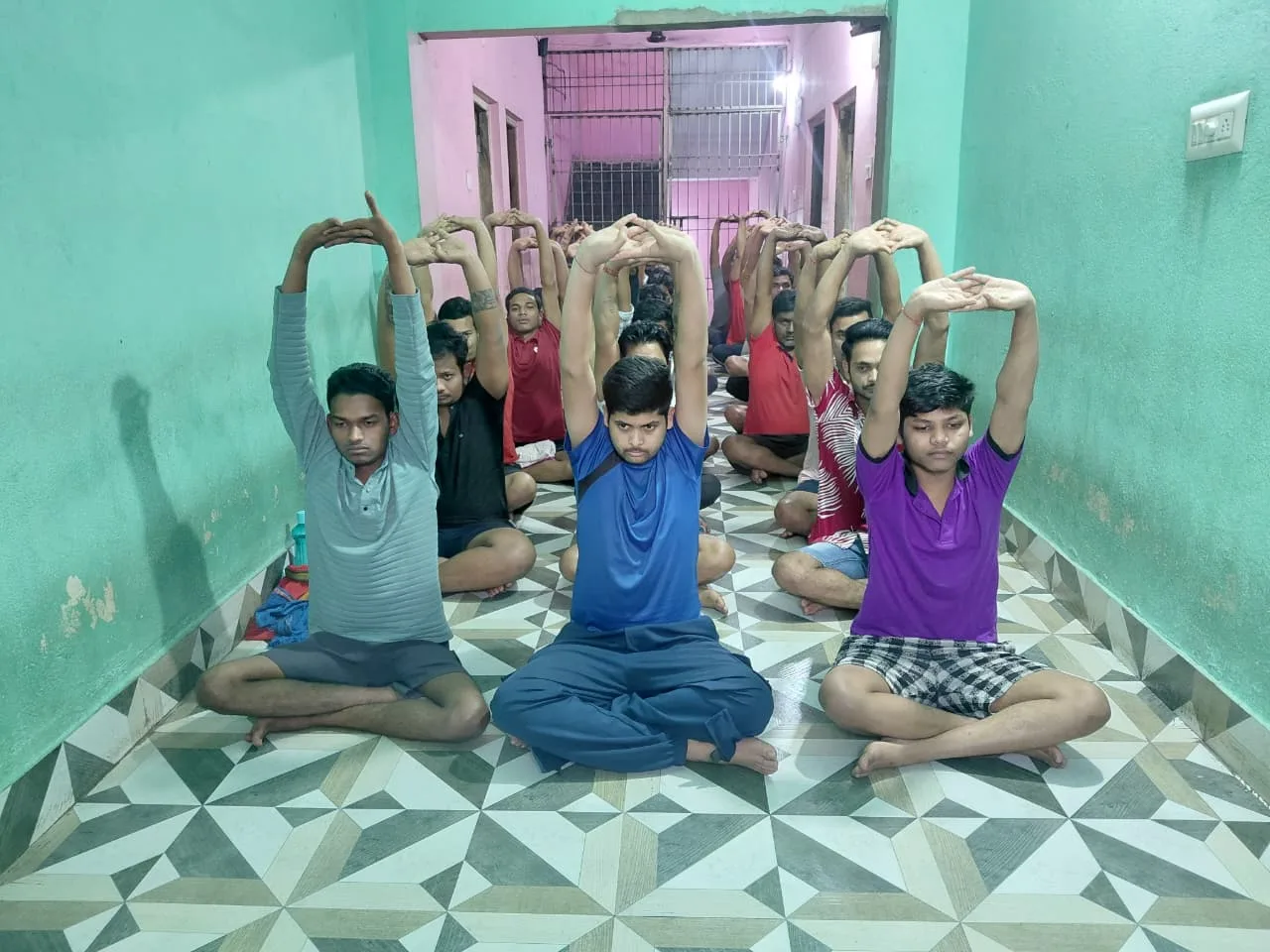
Choosing behavioural healthcare involves more than a building or a set number of counselling sessions. It means finding a safe setting with clear clinical responsibility. Some families may call the local service Mental Helath Centre Bhubaneswar in Bhubaneswar. They should still check the staff, services, and referral process.
Prepared by Prasanta Dash.
What Is Dual-Diagnosis Treatment and Who Needs It?
Dual diagnosis treatment addresses substance use and a mental health condition in one care plan. A psychiatric review checks symptoms, withdrawal risks, medicines, and safety concerns. Counselling and de-addiction care address behaviour, triggers, recovery skills, and relapse prevention.
A person may have alcohol, drug, or prescription-medicine dependence with depression, anxiety, trauma, bipolar symptoms, psychosis, or another condition. These problems can affect each other. Substance use may worsen sleep, mood, fear, or suspicious thoughts. Untreated emotional pain may also increase cravings or make recovery harder.
A full assessment should review substance use, past treatment, physical health, sleep, mood, thoughts, relationships, self-harm risk, and current medicines. It should also ask what happens during intoxication and withdrawal. This helps the team choose residential treatment, outpatient counselling, medical detoxification, or hospital care.
Integrated treatment doesn’t mean everyone follows the same plan. Some people need close observation and psychiatric medicine checks. Others can attend appointments while living at home. The plan should set clear goals, explain consent and privacy, and list warning signs that need urgent help.
Families should expect the plan to change as symptoms become clearer. Early withdrawal can look like, or worsen, anxiety, depression, confusion, or agitation. A careful team reviews these changes instead of blaming every symptom on addiction.
Can Rehab Treat Addiction and Mental Health Together?
Integrated addiction and mental health care can treat both needs when the centre links psychiatric care, withdrawal management, counselling, medicine reviews, and relapse prevention. Treating only substance use may leave depression, anxiety, psychosis, trauma, or mood symptoms untreated. Integrated care connects symptom control with long-term recovery.
A psychiatrist may review diagnosis, risk, and medicines. A psychologist or counsellor may support behaviour change and emotional control. These roles should follow one written care plan. Ask how often the team meets, where progress is recorded, and who responds if cravings or symptoms worsen.
Withdrawal care must match the substance, amount, length of use, physical health, and past withdrawal. Some withdrawal symptoms can become dangerous. The centre should explain what it can manage safely and when it will arrange emergency care.
Relapse prevention should cover substance triggers and mental health warning signs. These may include poor sleep, hopelessness, racing thoughts, isolation, medicine changes, conflict, or renewed contact with substances. The plan may include coping skills, family talks, follow-up visits, and a crisis response path.
In Bhubaneswaraccess to psychiatrists, hospitals, pharmacies, and family support may affect the best care setting. During the monsoon, travel delays can affect visits and appointments. The programme should plan for continued care, emergency access, and remote contact when suitable.
How to Compare a Rehab Centre Before Hiring It?
Treatment assessment should decide the care level, not a sales package. Compare psychiatric access, treatment intensity, safety steps, family involvement, clear pricing, and aftercare. Before hiring, confirm that the programme can manage the person’s substance use, mental health symptoms, withdrawal risks, medical needs, privacy needs, and return home.
Ask for written answers when possible. Residential rehab can provide structure and supervision. Outpatient care may help people keep work, school, and family routines. Neither option is always better. The right choice depends on risk, home support, medical stability, motivation, and access to appointments.
Language and family needs matter too. Check whether staff can explain care in the patient’s and family’s preferred local language. Ask about respectful family therapy and consent limits. A Bhubaneswar provider should explain how it sends patients to hospital or specialist care when needed.
What Should I Ask a Rehab Centre About Psychiatric Care?
Psychiatric care should be checked through staff qualifications, visit frequency, medicine monitoring, crisis response, records, and hospital referrals. A clear answer names the clinician, review process, response to worsening symptoms, consent rules, privacy steps, and transfer process.
| Question | Why It Matters | What a Good Answer Sounds Like |
|---|---|---|
| Who conducts psychiatric assessments? | Co-occurring conditions may need diagnosis, risk checks, and medicine decisions. | The centre names the responsible mental health professional and explains reviews and referrals. |
| How are psychiatric medicines monitored? | Substance use, withdrawal, interactions, and side effects can change medicine risks. | An appropriate clinician reviews and records medicines, then changes or refers care when needed. |
| What happens during a psychiatric crisis? | Severe withdrawal, suicidal thoughts, psychosis, or unsafe behaviour may need urgent help. | The centre explains supervision, consent-based family contact, emergency action, and hospital referral. |
| How does counselling connect with psychiatric care? | Separate services may set conflicting goals or miss important symptoms. | Counsellors and psychiatric staff share needed updates and follow one written plan. |
| How are records and confidentiality handled? | Addiction and mental health records contain private information. | The centre explains consent, record access, family limits, and privacy procedures. |
| When is hospital-level care required? | A rehabilitation centre may not suit severe medical or psychiatric emergencies. | The centre names warning signs and explains quick transfer or specialist referral. |
Look for specific answers, not broad promises. Medicine checks should cover names, doses, changes, side effects, missed doses, and contact with the prescriber. Records should explain why care changes while protecting privacy.
Can Counselling and De-Addiction Treatment Happen Together?
Counselling and de-addiction treatment can happen together and often work best under one recovery plan. De-addiction care addresses withdrawal, cravings, substance-related harm, and relapse prevention. Counselling explores triggers, feelings, relationships, trauma, motivation, and coping skills. Psychiatric care manages related symptoms.
Motivational interviewing can help people explore mixed feelings without shame or pressure. Cognitive behavioural therapy can show links between thoughts, feelings, actions, and substance use. The pace should fit concentration, withdrawal symptoms, emotional stability, and readiness.
Family counselling can improve communication and help relatives notice warning signs. It shouldn’t share private information without consent or turn care into blame. Families can learn to support appointments, protect medicine routines, reduce conflict, and respond safely to a lapse.
Sessions may be individual, group-based, or family-focused. A useful plan links each session to clear tasks, such as managing cravings, improving sleep, rebuilding routines, or preparing for risky situations. The team should review results and change the approach when symptoms shift.
People comparing alcohol or drug services may also find that questions from How to Choose an Alcohol Rehabilitation Centre or How to Choose a Drug Rehabilitation Centre help them discuss substance-specific risks with mental health needs.
How Much Does Mental-Health Rehabilitation Cost in Bhubaneswar?
Mental health rehabilitation cost in Bhubaneswar depends on the setting, treatment length, psychiatric care, withdrawal needs, accommodation, medicines, tests, counselling frequency, and aftercare. Ask for an itemised estimate instead of relying on one headline fee. Confirm what’s included, what may change, and which services cost extra.
Residential care has different costs from outpatient care. It may include accommodation, meals, supervision, and daily structure. Outpatient care may have separate charges for psychiatric visits, counselling, tests, medicines, travel, and follow-up. Longer stays can raise the total when symptoms need closer observation.
A written estimate should list assessment fees, consultation frequency, therapy sessions, medicines, tests, emergency transfers, accommodation terms, and discharge support. Ask if the amount is fixed or subject to clinical review. Don’t accept rehab fees without understanding the services covered.
For planning, an initial review may include several steps instead of one visit. These can include assessment, safety planning, treatment choice, family discussion, and early follow-up. Timing varies by risk and clinical need, so this is only a planning guide.
| Cost driver | What to clarify |
|---|---|
| Setting | Whether the plan is residential, outpatient, or step-down care. |
| Clinical complexity | Whether withdrawal care, medical observation, or crisis support may be needed. |
| Psychiatric involvement | Visit frequency, medicine reviews, and specialist referral charges. |
| Continuing care | Follow-up counselling, medicine continuity, family sessions, and aftercare. |
Local costs should include transport and family access. A centre near psychiatrists, pharmacies, and hospitals may make outpatient care easier. During the monsoon, allow for travel delays when planning visits. Ask if remote check-ins are safe and suitable.
Red Flags When Choosing Dual Diagnosis Rehab
Red flags Include guaranteed, unclear staff credentials, hidden fees, unsafe detox claims, no psychiatric assessment, no emergency plan, payment pressure, privacy breaches, and no aftercare. A responsible rehabilitation centre explains its limits, gains proper consent, records care, and refers patients when their needs exceed its services.
Forced treatment, unsafe restraint, missing records, or ignored suicidal thoughts need serious caution. Ask what happens if someone refuses care or cannot make decisions. Check whether the centre follows lawful and ethical safeguards.
Before admission, compare the written plan with the person’s medical and psychiatric needs. If the service can’t explain crisis care, hospital referral, or aftercare, pause and seek another professional opinion.
Questions About Rehabilitation Center
What Is the Difference Between Dual Diagnosis and Co-Occurring Disorders?
These terms usually describe the same clinical situation: substance use disorder with a mental health condition. Dual diagnosis is common language, while co-occurring disorders is another professional term. Assessment should review both conditions and their effects on symptoms, safety, and recovery.
How Long Does Dual Diagnosis Treatment Usually Take?
There is no single timetable. Duration depends on withdrawal risk, symptom stability, substance use severity, medical needs, therapy response, and home support. Care may start with assessment and stabilisation, then continue with structured treatment, outpatient visits, and aftercare.
Can Someone Go to Rehab While Taking Psychiatric Medication?
Often, yes, but an appropriate clinician should review the medicine. The team should check prescriptions, adherence, interactions, withdrawal effects, side effects, and possible changes. Don’t stop or change psychiatric medicine suddenly without medical advice.
Is Residential Rehab Better Than Outpatient Treatment for Dual Diagnosis?
Neither option is always better. Residential care may suit people who need structure, supervision, distance from substances, or intensive support. Outpatient care may suit medically stable people with reliable home support and safe access to psychiatric and counselling visits. Assessment and risk should guide the choice.
What Happens During a Psychiatric Assessment at a Rehab Centre?
The clinician may review substance use, mood, anxiety, sleep, thoughts, behaviour, past treatment, physical health, medicines, self-harm risk, and support systems. The review guides diagnosis, safety planning, medicine decisions, treatment intensity, and specialist referral when needed.
How Can Families Support Someone with Addiction and Mental Illness?
Families can support appointments, calm routines, medicine continuity, healthy limits, and early warning signs. Family therapy can improve communication, but sharing information must follow consent and privacy rules. During a crisis, focus on immediate safety and use the centre’s emergency or hospital plan.
What Should Happen After Dual Diagnosis Rehab Ends?
Discharge should lead to continuing care, not an abrupt stop. Aftercare may include psychiatric visits, medicine continuity, counselling, family support, relapse prevention, crisis contacts, and a plan for renewed substance use or worsening symptoms. Confirm who coordinates care and handles missed appointments.
Families can request a clear assessment and discuss residential, outpatient, or step-down care. Use the questions above to compare psychiatric coordination, safety planning, communication, fees, and aftercare before deciding.
Discuss care optionsRelated Resources
Why Families Compare Steps Deaddiction With Other Rehab Centres
Steps Deaddiction and Mental Health Services vs rehab centres Bhubaneswar
How Long It TakesHow Long Does Addiction Rehabilitation Take?
how long does drug rehabilitation take Bhubaneswar
When You Need ItHow to Know When You May Need Rehabilitation for Addiction
signs you need rehab
What It SolvesWhen Addiction and Mental Health Problems Happen Together
dual diagnosis addiction depression anxiety rehab