Types of Rehabilitation Programmes Available in Bhubaneswar
Rehabilitation centres in Bhubaneswar offer residential, outpatient, intensive outpatient, stabilisation and continuing-care programmes. Residential rehab provides 24-hour support and a clear daily routine. Outpatient care lets clients live at home while attending treatment. Programme length and intensity should match withdrawal risk, relapse history, mental health needs and family support. A clinical assessment helps confirm the safest choice. At Steps Deaddiction & Mental Health Services, we help families understand their options and plan the next safe step.
Contact Us TodayWritten by Prasanta Dash, Founder & Managing Trustee · 10 years of local experience
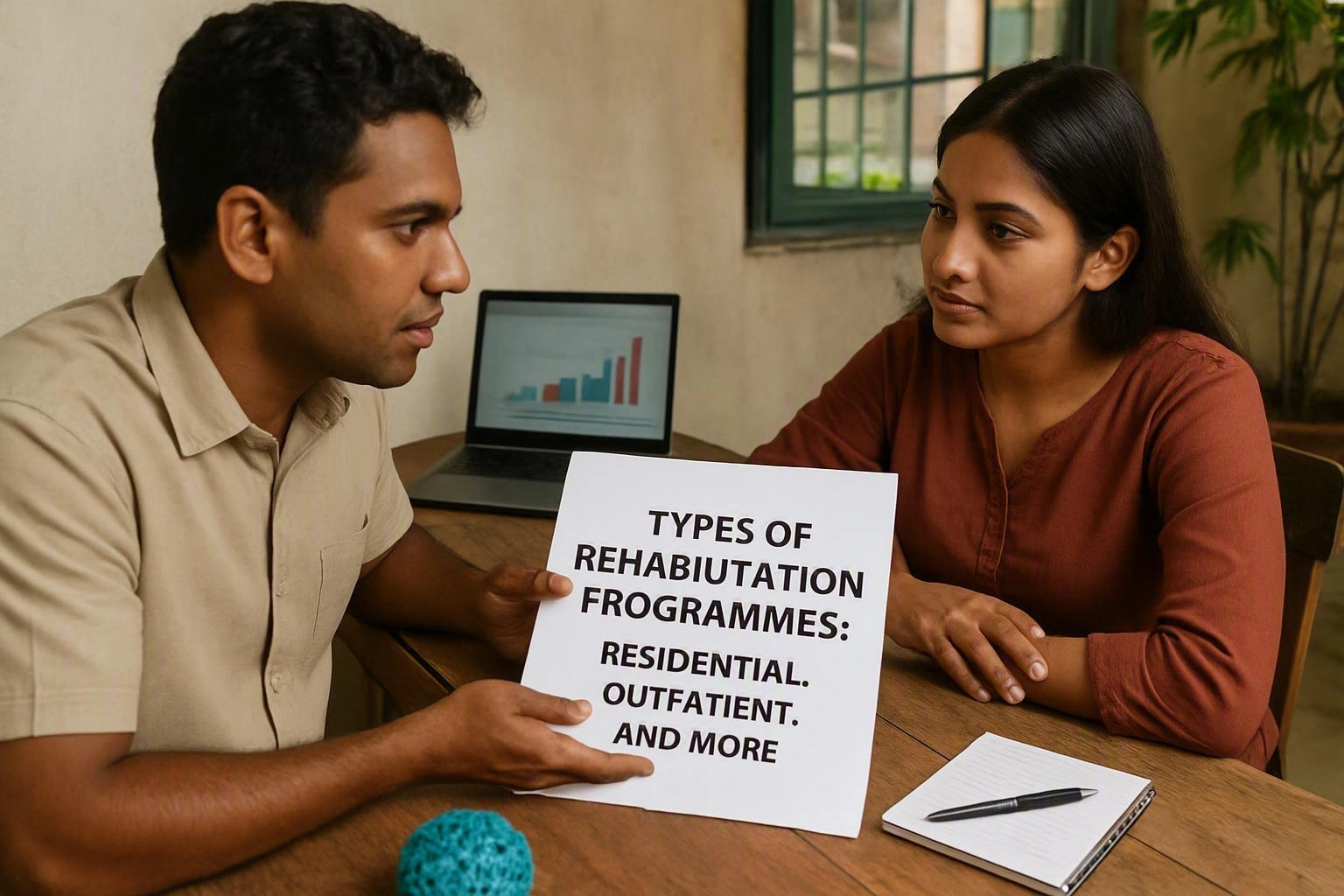
Residential rehabilitationis an inpatient setting for people who need distance from triggers, close supervision or a steady daily routine. Outpatient rehabilitation is a lower-intensity option linked to home living.
Addiction treatment can include care for substance dependence, behaviour change, counselling and mental health needs. Our team can discuss recovery planning, family counselling and referral options. People comparing a Best rehabilitation centre in Bhubaneswar and an Addiction treatment Centre Bhubaneswar should focus on safety, clinical fit and ongoing care.
For wider context, Therapies and Treatment Methods Used in Addiction Rehabilitation and Alcohol Rehabilitation: Detox, Therapy and Long-Term Recovery Support explain how treatment parts work together.
What Are the Different Types of Rehabilitation Centres in Bhubaneswar?
Rehabilitation centres in Bhubaneswar commonly provide residential, outpatient, intensive outpatient, short-term stabilisation and continuing-care options. Residential programmes offer supervised living. Outpatient programmes combine treatment with home living. Continuing care helps prevent relapse after intensive treatment. The right type depends on clinical needs, withdrawal risk, relapse history and family support.
These addiction treatment settings differ in supervision, living arrangements, time and family access. The table offers a useful starting point. A clinical assessment should confirm the safest option.
| Type | Key Features | Relative Cost/Effort | Best For |
|---|---|---|---|
| Residential rehabilitation | Supervised living, therapy, routine and recovery community | Higher | High relapse risk, unsafe home setting or significant support needs |
| Outpatient rehabilitation | Scheduled counselling while living at home | Lower | Stable clients with reliable family and home support |
| Intensive outpatient programme | Several weekly sessions and structured daytime care | Varies | People needing more structure without residential admission |
| Short-term stabilisation | Detoxification support, monitoring and crisis intervention | Varies | Withdrawal symptoms or urgent clinical concerns |
| Continuing care | Aftercare, follow-up counselling and relapse prevention | Lower | Maintaining progress after intensive treatment |
In Bhubaneswar, staying near home can make attendance and family counselling easier. Residential care may offer more distance from local triggers. Most programmes last several weeks or months. The exact length depends on progress and medical need.
Residential Rehabilitation: Structured 24-Hour Recovery Support
Residential rehabilitation provides 24-hour structure away from substance-use triggers. Treatment takes place in an inpatient rehabilitation or residential treatment setting. It may include medical supervision, withdrawal management, individual counselling, group therapy and family therapy.
This option may help when substance use is hard to manage at home. It may also suit people with serious withdrawal symptoms or repeated relapse after less intensive care. Family conflict, easy access to substances or an unstable routine can make home recovery unsafe.
The main benefits are a steady routine, fewer triggers and quick access to support. Residents can focus on addiction recovery during the hardest stage of treatment. They don't need to manage work, education or caregiving duties at the same time.
Residential care also has limits. It means time away from household duties and may cause adjustment stress. Family visits and contact should be planned carefully. For families in Bhubaneswar, residential treatment can provide helpful distance while allowing planned visits and counselling.
Before discharge, our team should arrange follow-up counselling, family participation and relapse-prevention planning. Community-based support should also be ready. This helps make the return home safer and less sudden.
Outpatient Rehabilitation: Treatment While Living at Home
Outpatient rehabilitation provides treatment while a person continues living at home. It may include individual counselling, group therapy, family counselling and mental health support. Medication reviews may also be included when appropriate.
This home-based pathway may suit someone who is clinically stable. A safe home and dependable family support are also important. The person should have a lower immediate withdrawal risk.
In Bhubaneswar, shorter travel distances may help clients attend scheduled sessions. They can also keep a daily routine. Outpatient care may suit people who must continue caregiving, education or employment.
Family involvement can help relatives notice warning signs and set healthy boundaries. It can also support the recovery plan. Family therapy may help when communication or household stress affects progress.
Outpatient care offers continuity with home life and fewer interruptions to work. Clients can practise coping skills in real situations. However, local triggers and access to substances remain nearby.
There is also less supervision between visits. If attendance drops or relapse risk rises, a Bhubaneswar assessment should review other options. These may include intensive outpatient care, residential treatment or higher medical support.
Intensive Outpatient and Day Programmes
An intensive outpatient programme provides more treatment time than standard outpatient care. Clients can still return home each day. Day-care rehabilitation may include structured care, group therapy, individual therapy and skills training.
Family sessions may also be part of the programme. This format can help people who need regular support but don't need overnight supervision. It may follow short-term stabilisation or residential treatment.
It may also suit people with strong home support. A clinical assessment must confirm that admission isn't needed. The programme can offer a clear schedule and frequent contact with therapists.
Clients can practise coping skills outside sessions. Some people can also continue work, study or caregiving duties. Still, travel, tiredness and home triggers can create problems.
A safe evening routine is important. A day programme shouldn't be chosen only because it's convenient. Withdrawal symptoms, severe cravings, unsafe behaviour or a dual diagnosis may require more supervision.
Short-Term Stabilisation and Detox Support
Short-term stabilisation is an early addiction treatment phase. It focuses on safety, detoxification, withdrawal management and urgent clinical needs. Longer-term therapy usually follows this stage.
Withdrawal symptoms can include sleep changes, anxiety, agitation, nausea, sweating and tremors. Serious complications can also occur. The risks depend on the substance and the person's health.
Detoxification should follow a clinical assessment. It shouldn't be managed alone at home. Short-term stabilisation may include monitoring, medical review, crisis intervention and hydration support.
It also helps prepare a person for ongoing counselling. Stabilisation usually isn't a complete recovery programme. Step-down care may include residential rehabilitation, intensive outpatient treatment or standard outpatient follow-up.
For a family in Bhubaneswar, the referral and escalation plan should be clear. Start with an assessment and use stabilisation when needed. Then choose residential or outpatient care based on risk.
Higher medical support may be needed if symptoms exceed the service's scope. A clear plan can reduce delays during a crisis.
How Do Inpatient and Outpatient Rehab Differ, and Which Programme Length Fits?
Inpatient rehab provides 24-hour structure away from triggers. Outpatient rehab allows treatment alongside home and work duties. A 30-day, 60-day or 90-day programme isn't automatically better.
Duration should reflect withdrawal risk, repeated relapse, mental health conditions and therapy progress. Aftercare support also matters. Use these points to compare inpatient versus outpatient rehab:
Programme length is a planning tool, not a guarantee. Home duties, education and employment may make outpatient or day care attractive. However, convenience can't outweigh safety.
In Bhubaneswar, family access may improve outpatient attendance and counselling. Residential treatment may provide needed distance from familiar triggers. The best plan balances both needs.
What Type of Rehab Is Best for Repeated Relapse?
For repeated relapse, the best option is often the safest programme with enough structure. It should address withdrawal, mental health, triggers, family conditions and treatment engagement. Residential care may help when earlier outpatient attempts failed.
The decision should follow a fresh clinical assessment. Repeated relapse doesn't mean recovery is impossible. It may show that the plan needs stronger supervision, longer treatment or better aftercare.
A dual diagnosis review may also help. Medication support can be considered when clinically appropriate. Different therapy methods may offer a better fit.
Relapse prevention should identify warning signs, high-risk people and places. It should also list coping actions, emergency contacts and family boundaries. These details give families a clear response plan.
Our team can help compare residential rehabilitation, intensive outpatient care and continuing care. Someone who returns to substance use after home treatment may need distance from triggers.
A therapeutic community may also help. Someone who stays stable between sessions may benefit from frequent outpatient visits and structured family support.
Discharge planning matters as much as admission. Before residential treatment ends, arrange follow-up counselling, family counselling and community support. Set a clear escalation route in Bhubaneswar.
If cravings, withdrawal or mental health symptoms become urgent, seek prompt professional or emergency medical help.
Questions About Rehabilitation Center
What Are the Different Types of Rehabilitation Centres?
The main types are residential rehabilitation, outpatient rehabilitation, intensive outpatient or day programmes, short-term stabilisation and continuing care. They differ in supervision, living arrangements, treatment intensity and follow-up. A clinical assessment should match the setting to withdrawal risk, relapse history, mental health needs and family support.
What Is the Difference Between Inpatient and Outpatient Rehab?
Inpatient rehab provides supervised living and 24-hour structure away from home triggers. Outpatient rehab lets a person live at home while attending scheduled treatment. Inpatient care may suit higher withdrawal or relapse risk. Outpatient care may suit a stable person with a safe home and reliable family support.
Is a 30-Day, 60-Day, or 90-Day Rehab Programme Better?
None is automatically better. A 30-day, 60-day or 90-day programme should reflect withdrawal risk, repeated relapse, dual diagnosis, therapy progress and aftercare strength. Longer care may allow more time for behaviour change. Quality, safety and continuity after discharge also matter.
What Is Short-Term Stabilisation in Addiction Treatment?
Short-term stabilisation is the early phase used to manage withdrawal symptoms and support detoxification. It also addresses urgent concerns and helps assess next steps. It isn't always complete addiction treatment. Step-down care may include residential therapy, intensive outpatient treatment or continuing counselling.
What Type of Rehab Is Best for Repeated Relapse?
Repeated relapse may call for a more structured programme, often residential care. This is especially true when home triggers or withdrawal risk remain high. Some people may need intensive outpatient care instead. The decision should include a dual diagnosis review, relapse plan, family support and clear aftercare.
Plan the Next Step in Recovery
A careful assessment can show whether stabilisation, residential care, outpatient treatment or higher medical support is appropriate. Family members can share information about substance use, withdrawal symptoms and past treatment.
Details about relapse patterns and home duties can also help. This information supports a safer recovery plan.
Author: Prasanta Dash
Related Resources
How Much Does Rehabilitation Cost in Bhubaneswar?
rehabilitation centre cost Bhubaneswar
Compared ToAffordable vs Premium Rehab.
affordable vs luxury rehab centre Bhubaneswar
How to HireHow to Choose a Rehabilitation Centre: A Family Checklist
how to choose a rehabilitation centre Bhubaneswar
How to HireHow to Choose Rehab When Addiction and Mental Health Overlap
dual diagnosis rehab Bhubaneswar mental health addiction