Why Quitting Alone May Not Be Working
Repeated drug relapse doesn't mean you lack willpower. Addiction changes how the brain handles reward, stress, and decisions. This can make quitting without support very difficult. Triggers, withdrawal, cravings, mental health conditions, and an unsafe home can raise relapse risk. A rehabilitation center can check your substance use, withdrawal risk, physical health, and emotional needs. Your plan may include medical care, counseling, peer support, family help, and relapse prevention skills. If drug or alcohol use feels out of control, professional help can offer safer, steady support. At Steps Deaddiction & Mental Health Services, we help people understand repeated substance use and build practical recovery support.
Contact Us TodayWritten by Prasanta Dash, Founder & Managing Trustee · 10 years of local experience
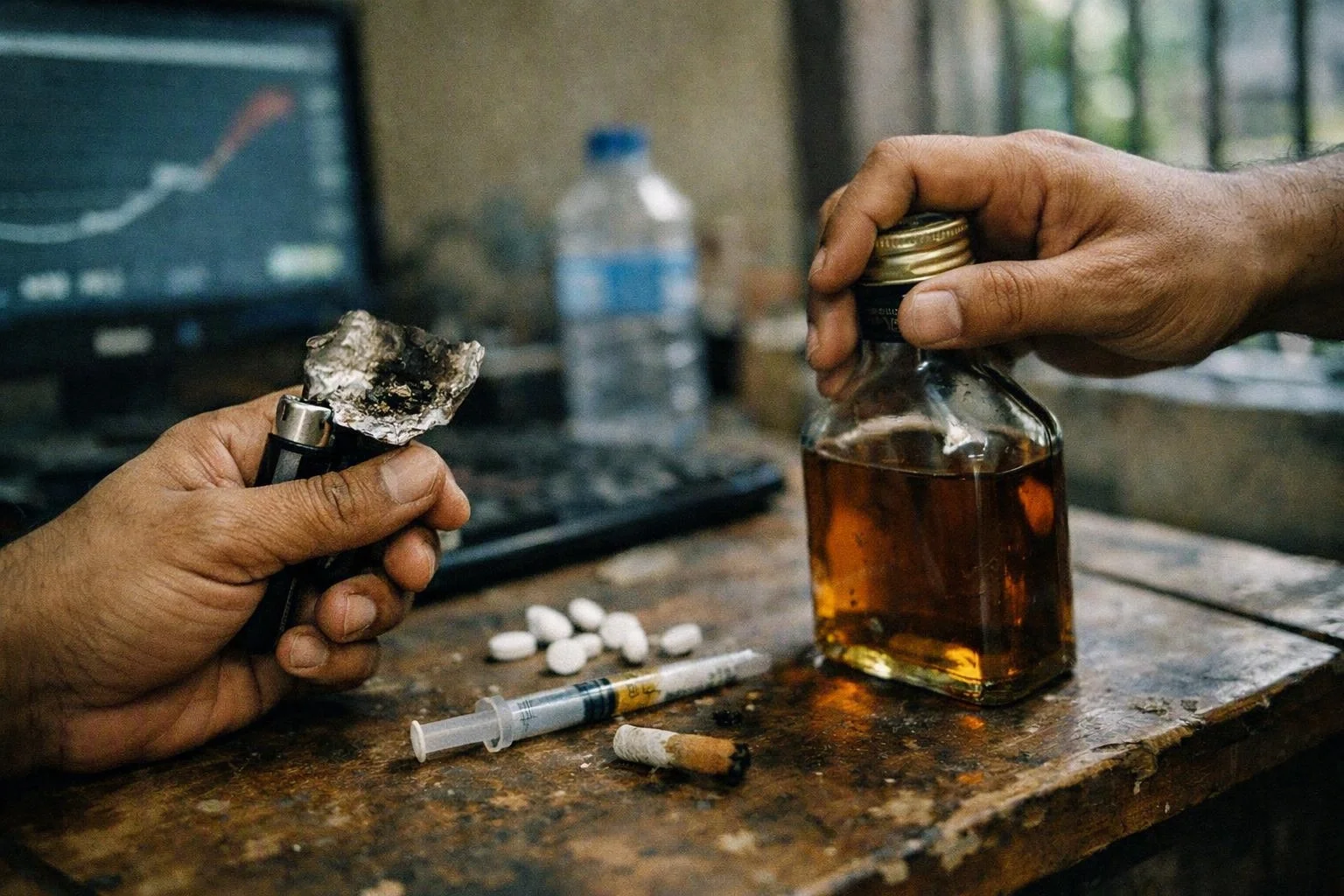
Drug relapse can be linked to addiction, withdrawal, triggers, mental health conditions, and limited recovery support. Returning to drug use is a health warning, not a reason for shame. The next step may include a medical check, counseling, family support, or a safer treatment setting.
People who've tried to quit several times can still recover. Treatment can change when cravings, stress, poor sleep, or an unsafe home make recovery harder. If you're searching for a Drug recovery center near me, ask about assessment, withdrawal monitoring, counseling, and aftercare.
Author: Prasanta Dash
Why Can’t I Stop Using Drugs?
Substance use disorder can make stopping drugs difficult. Repeated use changes the brain's reward, stress, and self-control systems. Withdrawal, cravings, tolerance, trauma, mental health symptoms, and daily triggers can overpower good intentions. This is a treatable health condition, not a moral failure.
These problems can overlap. A clinical assessment can identify the substances involved, the use pattern, health risks, and any co-occurring disorders needing care.
Why Quitting Alone May Not Be Working?
Unsupported detoxification often fails because stopping use doesn't treat withdrawal, cravings, learned habits, trauma, or daily stress. Quitting alone can also leave you without medical checks, coping skills, accountability, or follow-up care. Structured treatment addresses relapse causes instead of depending on willpower alone.
The relapse cycle often starts before drug use returns. Poor sleep, emotional pain, isolation, or contact with drug-using friends may appear first. These changes can increase cravings. Without a response plan, one hard moment can lead to renewed use, guilt, and another attempt to quit.
A safer setting limits access to substances and gives you room to practice new habits. This matters more when home or social settings involve drug use, conflict, violence, or little support. Family involvement can help when relatives learn warning signs, boundaries, overdose risks, and healthy ways to support treatment.
Behavioral therapy can help identify thoughts, habits, and triggers linked to drug use. Counseling may build refusal skills, emotional control, problem-solving, and healthier stress outlets. Peer support adds connection and accountability. Continuing care helps protect progress after early treatment.
Recovery plans are reviewed often during the first weeks and months. Needs can change as withdrawal settles and daily routines return. A plan that failed before doesn't prove recovery is impossible. It may need stronger support or a different level of care.
What Are the Signs That Relapse Risk Needs More Support?
Relapse warning signs become more serious when cravings, isolation, emotional distress, poor sleep, or drug-related settings affect daily life. These signs can appear before drug use returns. Early action gives a person, family member, counselor, or rehabilitation center time to strengthen support.
These signs don't guarantee a return to drug use. They show that support should become more active. Contact a counselor, trusted relative, peer supporter, or treatment team early.
Why Do I Keep Relapsing After Quitting?
Drug relapse can happen after quitting because cravings, stress, familiar cues, untreated mental health symptoms, and limited support may remain. Returning to use doesn't erase earlier progress. It shows that the treatment plan may need changes. A careful relapse review can reveal triggers and improve safety.
Post-acute withdrawal may cause irritability, low motivation, sleep changes, anxiety, and poor focus. These symptoms can continue after the strongest physical symptoms pass. They may also come and go. A sudden craving can appear during stress or after seeing a familiar cue.
External triggers can include a neighbourhood, phone contact, paycheck, party, or relationship. Internal triggers may include loneliness, anger, pain, boredom, or shame. A co-occurring mental health disorder can make these feelings stronger without proper treatment.
People who've tried quitting drugs but keep relapsing often need a detailed relapse prevention plan. Another unsupported attempt may not be enough. The plan can name the first warning sign, who to call, where to go, medication needs, and ways to limit access to drugs.
Stigma can delay treatment. Some people hide renewed use because they fear judgment or disappointing family. Honest information helps the care team review overdose risk, withdrawal danger, mental health symptoms, housing, and the right level of care.
Opioid relapse needs urgent attention because tolerance can fall after abstinence. Stimulant relapse and alcohol relapse also need personal safety plans. Returning to use gives treatment useful information. It doesn't prove that someone has failed.
How Can I Stop Alcohol Addiction Safely?
Alcohol use disorder needs professional guidance because sudden withdrawal can become dangerous. A clinician can review drinking history, withdrawal risk, physical health, medicines, and mental health. Treatment may include supervised withdrawal, counseling, medication, peer support, and continued recovery care.
Alcohol withdrawal can vary in timing and severity. Someone may look well at first and become worse later. A clinician should guide the decision. The guide “Do You Need Detox Before Rehab? Understanding Withdrawal Safety” explains why an assessment matters before stopping.
When Should I Get Professional Addiction Help?
Professional addiction help is right when drug or alcohol use feels out of control, quit attempts fail, withdrawal causes concern, or health and relationships suffer. A rehabilitation center can assess the situation and suggest outpatient care, residential treatment, medical withdrawal support, counseling, or crisis care.
Seek prompt assessment if use is increasing, substances are mixed, tolerance has changed, or you use alone. Urgent help is needed after an overdose, unconsciousness, severe withdrawal, suicidal thoughts, violence, or immediate danger at home.
An addiction assessment reviews the substance, amount, route, and time of last use. It also covers past treatment, withdrawal, medical conditions, medicines, mental health, housing, family support, and recovery goals. Clinicians then match the person with suitable care.
Someone returning to a high-risk home or social setting may need residential care, frequent outpatient visits, family counseling, peer support, or a safety-based discharge plan. Relatives can share concerns, secure medicines, reduce conflict, and learn how to respond without blame.
Our team can explain options when someone has tried to quit repeatedly. If you're considering an Addiction rehab Centre, ask about withdrawal danger, overdose risk, mental health symptoms, medicines, crisis care, and aftercare.
What Helps Prevent Another Relapse?
Relapse prevention combines coping skills, trigger control, mental health treatment, steady support, and continued care. A personal plan should list warning signs, craving steps, emergency contacts, medicines, and ways to avoid risky settings. Recovery is safer when support continues after detox or rehabilitation.
Plans should be clear enough to follow during a craving. The first step might be calling a named support person. The second could be moving to a drug-free place. The third may be seeking urgent clinical help. Treatment for a co-occurring mental health disorder should continue when needed.
What Happens in a Rehabilitation Center?
An addiction treatment plan usually starts with an addiction assessment. It reviews substance use, withdrawal, physical health, mental health, safety, and recovery goals. Care may include medical support, private counseling, group therapy, family work, behaviour skills, and aftercare planning. The setting depends on health risks, home support, substance type, and treatment needs.
At a recovery center, the first stage may include an intake interview, health screening, medicine review, withdrawal checks, and immediate safety planning. Staff can adapt care for people who've tried to quit repeatedly. They review what happened before and identify early relapse signs.
Individual counseling gives people private space to discuss cravings, trauma, relationships, shame, and goals. Group therapy can reduce isolation and offer useful ideas from others. Family counseling may improve communication, set boundaries, and help relatives support recovery.
Dual diagnosis care treats addiction and a co-occurring mental health disorder together. It may include mental health counseling, psychiatric assessment, medication management, coping skills, and safety planning. Treating substance use alone may leave symptoms that raise relapse risk.
Aftercare planning starts before discharge. It may include outpatient visits, peer support, family check-ins, medicine follow-up, housing help, transport planning, and emergency contacts. Staff can adjust care if cravings rise, sleep worsens, or home becomes risky.
There isn't one correct program for everyone. Our team considers withdrawal danger, overdose risk, physical health, emotional needs, motivation, past treatment, and family support. A person may need medical detox, residential treatment, structured outpatient care, or a step-down plan.
Questions About Rehabilitation Center
Why Can't I Stop Using Drugs?
Addiction can change the brain's reward, stress, and decision systems. Withdrawal, cravings, trauma, mental health symptoms, and daily triggers can make stopping difficult. This is a treatable substance use disorder, not a character flaw. Professional assessment can identify safer treatment and recovery support.
Why Do I Keep Relapsing After Quitting?
Relapse may continue when cravings, triggers, post-acute withdrawal, untreated mental health symptoms, or an unsafe setting remain. Returning to use doesn't erase progress. Ask a clinician to review what happened and strengthen your relapse prevention plan.
How Can I Stop Alcohol Addiction Safely?
Speak with a clinician before stopping if drinking is heavy, frequent, or hard to control. Alcohol withdrawal can become dangerous, especially after seizures or with sedative use. Medical detox, counseling, medication, peer support, and continued care may help.
When Should I Get Professional Addiction Help?
Get help when use feels out of control, quit attempts fail, withdrawal causes concern, or health and relationships suffer. Get urgent help for overdose or immediate safety risks. A treatment team can recommend medical withdrawal support, outpatient care, residential treatment, counseling, or crisis care.
What Should I Do if I Relapse After Quitting Drugs?
Move away from drugs, avoid using alone, and contact someone you trust or a clinician. Seek urgent help for overdose symptoms or severe distress. Don't treat relapse as failure. Tell the treatment team what happened so they can review triggers, tolerance, withdrawal danger, mental health, and continuing care.
If drug or alcohol use is creating immediate danger, contact emergency services. For guidance about assessment and treatment options, contact our recovery support team.
Get a Free EstimateRelated Resources
How Much Does Rehabilitation Cost in Bhubaneswar?
rehabilitation centre cost Bhubaneswar
Compared ToAffordable vs Premium Rehab.
affordable vs luxury rehab centre Bhubaneswar
How to HireHow to Choose a Drug Rehabilitation Centre
drug rehabilitation centre Bhubaneswar
How It WorksWhat Happens After Rehab? Family Support and Continuing Care
rehab aftercare and family counselling Bhubaneswar