Substance-Use History and Safety Screen
The client receives a treatment help based on documented risks.
Personalised recovery help helps people address drug dependence, mental health symptoms, and relapse risks.
A treatment plan links substance use, mental health, and family needs.
Detoxification help helps identify when medical supervision may be needed.
Psychotherapy gives clients tools for triggers, stress, and harmful thought patterns.
Residential care can provide structure when home routines keep breaking down.
Local coverage around Bhubaneswar helps families plan visits and continued help.
The team can discuss urgent or last-minute availability when safety concerns arise.
Drug rehab centre in Bhubaneswar is a healthcare service that supports treatment for drug dependence and related mental health concerns.
According to the United Nations Office on Drugs and Crime (2025), an estimated 316 million people worldwide used drugs in 2023, indicating a large and growing potential demand base for substance-use treatment services, including rehabilitation centres in India.
Source: United Nations Office on Drugs and Crime·Year: 2025
Only 1 in 12 people globally with drug-use disorders received any form of treatment, as reported by the United Nations Office on Drugs and Crime (2025), highlighting a substantial treatment-access gap relevant to rehabilitation-centre capacity planning.
Source: United Nations Office on Drugs and Crime·Year: 2025

Drug rehab centre in Bhubaneswar gives families a simple path through assessment, treatment, and aftercare. Care may include detoxification help, psychotherapy, psychiatric help, residential treatment, stress management, and relapse prevention. The team records symptoms, substance patterns, family concerns, and safety risks before setting goals. Needs can differ across the city. Heat, humidity, and summer storms also affect sleep, hydration, transport, and attendance. The team adapts routines around these practical barriers. A painful shortcut is starting counselling without checking withdrawal risk or co-occurring depression. This rehabilitation center uses an initial assessment before treatment planning, then links counselling, medical help, family teaching, and follow-up. That sequence gives families a written path instead of a single conversation with no aftercare plan.
The client receives a treatment help based on documented risks.
This reduces the risk of treating dependence without addressing related distress.
The written plan sets treatment goals, family roles, and warning signs for urgent review.
CBT-informed counselling maps triggers, cravings, stress responses, and coping steps.
Aftercare records appointments, help contacts, relapse warning signs, and home routines.
Steps Deaddiction & Mental Health Services holds every Drug rehab centre in Bhubaneswar engagement to the same standard—from first enquiry through completed work. Here is what guides our process.
Every Drug rehab centre in Bhubaneswar case is reviewed against our own checks before sign-off, so you receive exactly what was agreed.
Clear documentation at every stage—what we reviewed, what we found, and what happens next.
Dedicated communication throughout the process—from your first enquiry to completed Drug rehab centre in Bhubaneswar.
A few details can help the clinical team understand safety risks and treatment needs sooner.
The first assessment records substance use, withdrawal signs, mental health symptoms, medical history, and immediate safety risks. It may include,
These details help a licensed provider decide whether detoxification guidance, residential care, or outpatient support fits the situation.
Drug rehab centre in Bhubaneswar provides structured care for drug dependence, withdrawal risks, and related mental health concerns.

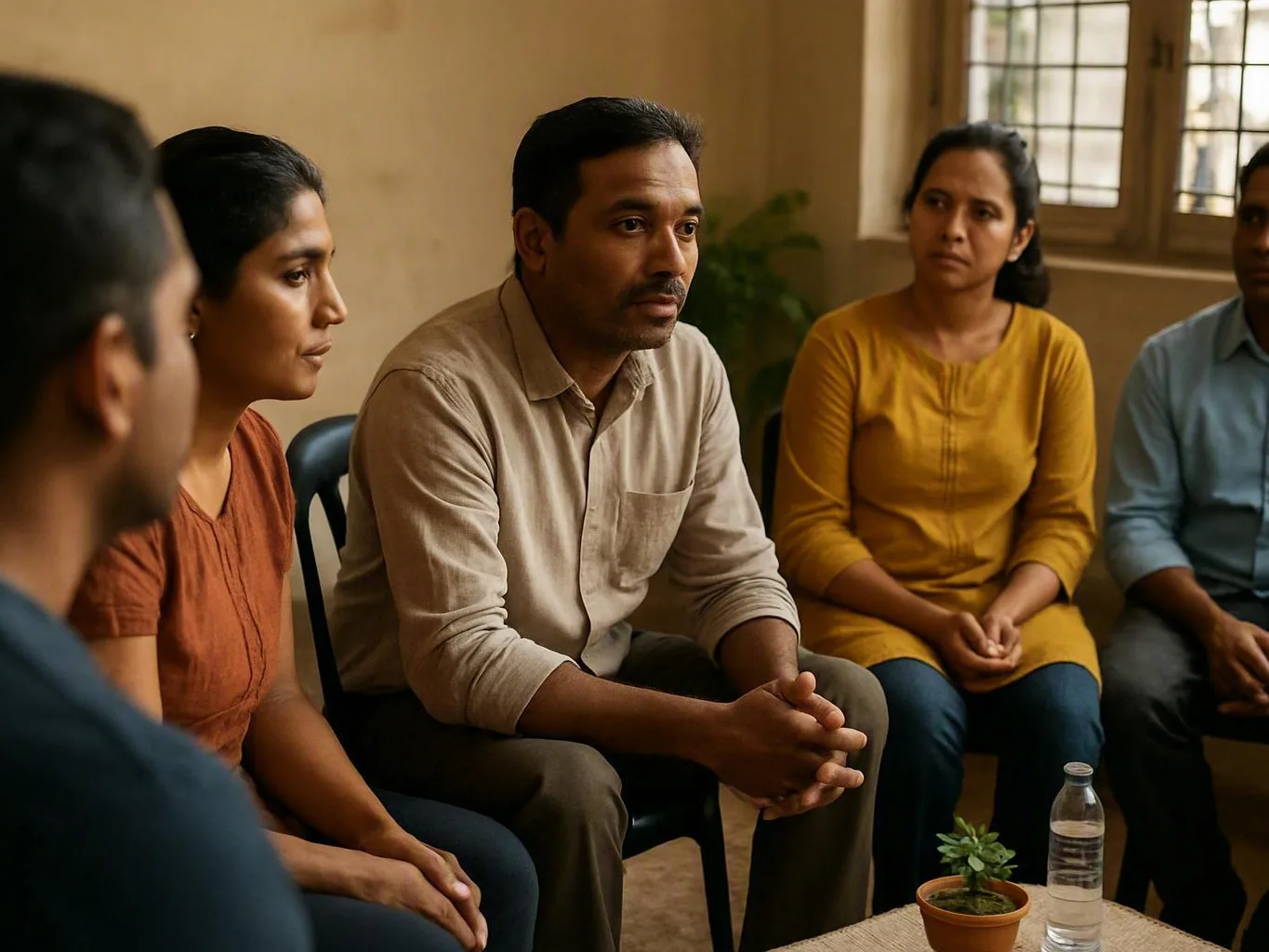

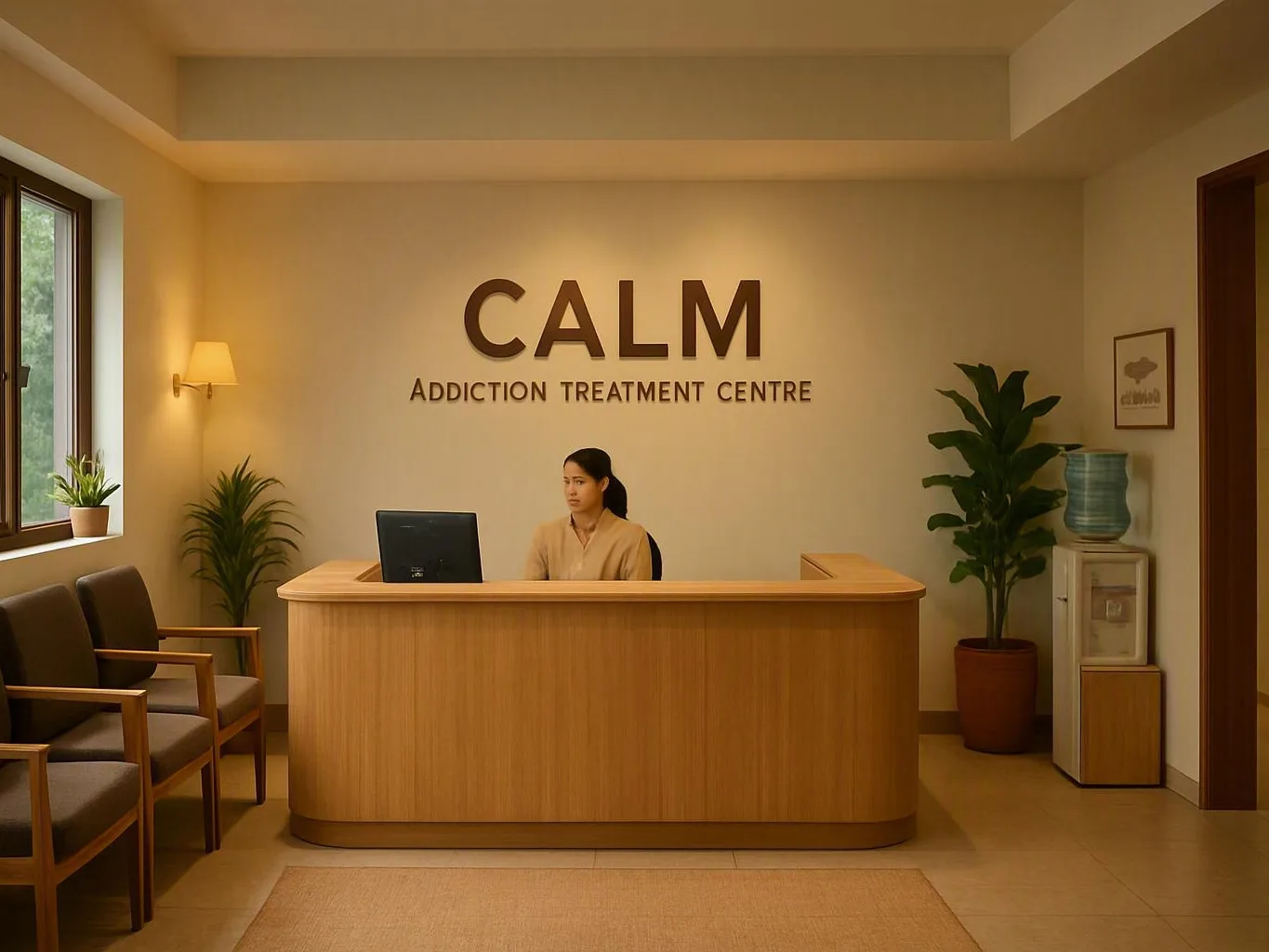
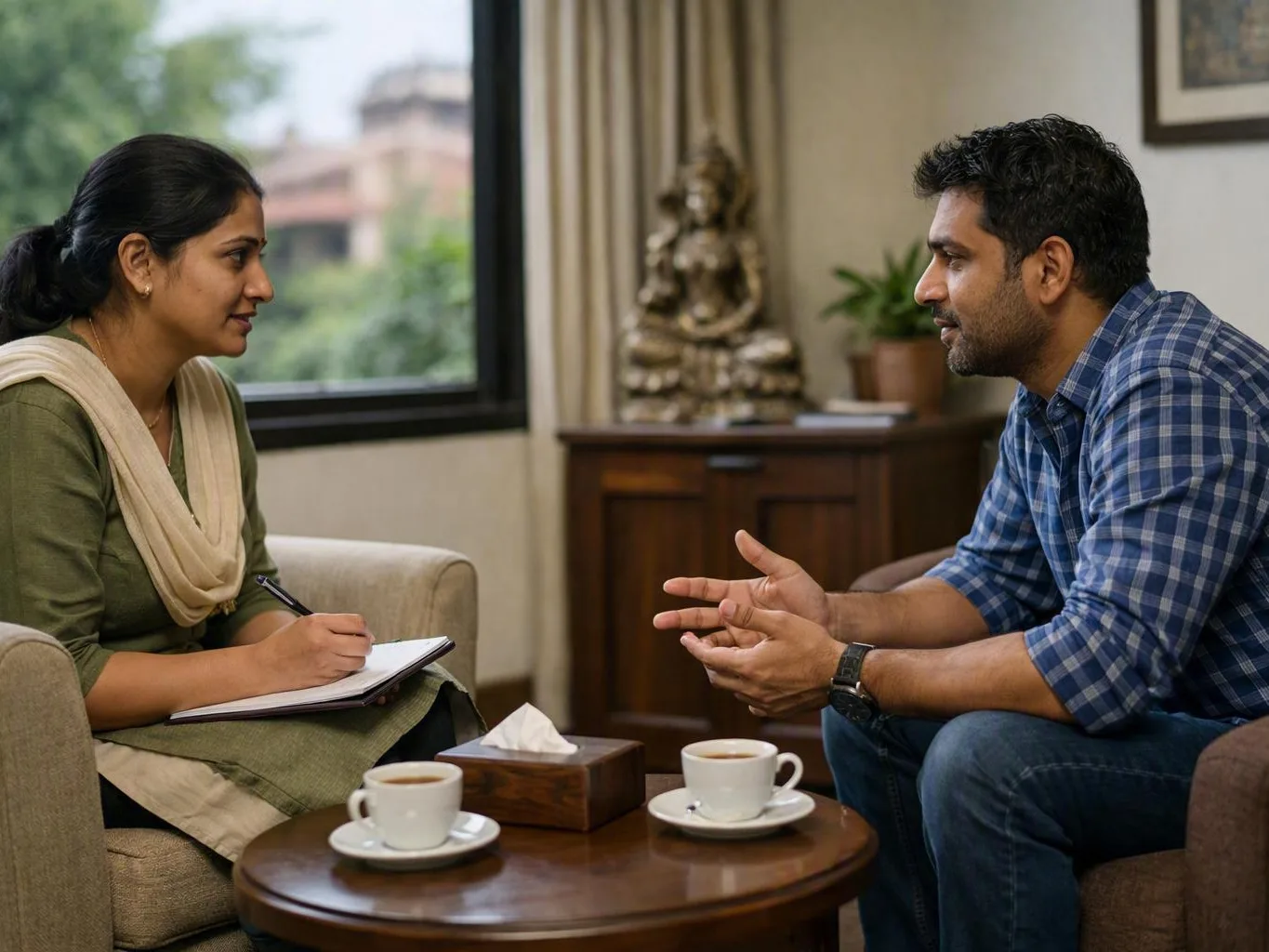
After reaching out, the first days can include confidential help, an initial assessment, and priority scheduling when clinically suitable, with routines shaped around Bhubaneswar’s heat and travel needs.
Bhubaneswar, Odisha

The team can explain assessment, detoxification help, counselling, residential care, and aftercare without promising a fixed outcome. Families should also ask about home routines, medicine storage, transport, and practical maintenance after discharge. An urgent safety concern may call for same-day or last-minute scheduling, subject to clinical suitability.
The initial assessment records these details, checks current medicines, and sets a realistic plan when timing feels urgent. Families should share complete health information before treatment begins.
The consultation clarifies substance use, triggers, mental health symptoms, family help, and the reason earlier care did not continue. Treatment planning then links psychotherapy, relapse prevention, and follow-up so the next steps match the stated goal.
The health and wellness information on this website is for general informational purposes only and is not medical advice. It does not create a provider-patient relationship. Always consult a qualified licensed provider about your specific condition before making care decisions. Individual results vary.
94375 41619