
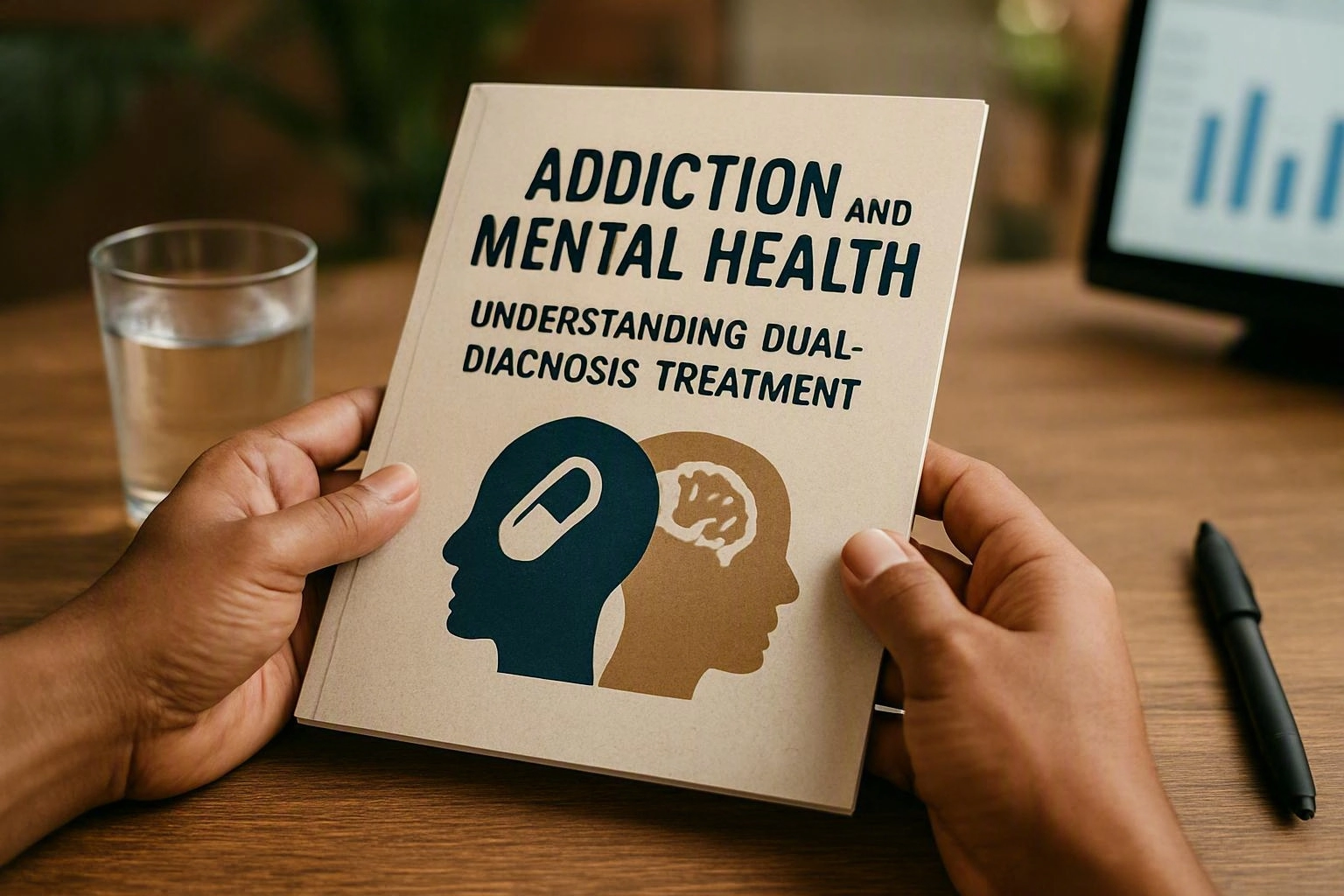
Addiction and Mental Health: Understanding Dual-Diagnosis Treatment
Dual-diagnosis treatment addresses substance use and mental health conditions together because each can affect the other. At Steps Deaddiction & Mental Health Services, we offer coordinated support for withdrawal, emotional symptoms, safety, and long-term recovery. Author: Prasanta Dash.
Contact Us TodayWritten by Prasanta Dash, Founder & Managing Trustee · 10 years of local experience
What Is Dual Diagnosis in Addiction Treatment?
Dual diagnosis means a person has both a substance use disorder and a mental health condition, such as depression, anxiety, bipolar disorder, or trauma-related symptoms. Treatment works best when both concerns are checked and treated together.
Alcohol or drugs may briefly ease emotional pain, but they can worsen mood, sleep, judgment, and relationships over time. Untreated mental health symptoms can also increase cravings and relapse risk. A rehabilitation center can bring medical, counselling, and psychological support into one care plan.
An assessment does not mean every difficult emotion is a mental health disorder. Clinicians review symptoms, timing, substance effects, medical history, family history, and daily life. Some symptoms improve after withdrawal, while others need further care.
A combined assessment may help after repeated relapse, panic, low mood, or self-medication. It may also help with severe sleep problems, trauma reactions, or trouble following a recovery plan. The goal is safer living, emotional balance, and useful recovery skills.
Can Rehab Treat Addiction and Depression Together?
Integrated care can treat addiction and depression together through recovery support, psychiatric review, therapy, medical monitoring, and relapse planning. A rehabilitation center can address both conditions after safety and urgent medical needs are checked.
Depression may cause low mood, hopelessness, tiredness, guilt, or less interest in daily activities. It can also change sleep and appetite. Substance use may hide these signs, worsen them, or create similar effects.
Clinicians review patterns over time, including what happens during periods without alcohol or drugs. Support may include motivational counselling, cognitive behavioural strategies, activity planning, sleep routines, and peer groups. A qualified prescriber may suggest medication when it is suitable.
Medication choices need careful review, especially during withdrawal. Liver problems, other prescriptions, and overdose risk may also affect the decision. Treatment should match the person’s health and safety needs.
People may need different levels of care. Some benefit from residential structure, while others can attend outpatient appointments with family or community support. Treatment often lasts several weeks, but the right timeframe depends on symptoms, substance use, safety, and progress.
Recovery planning should cover isolation, work or study pressure, relationships, and follow-up care. Treating depression alongside addiction can make recovery more practical. People learn safer ways to manage feelings that once led to substance use.
Can Anxiety or Trauma Contribute to Substance Use?
Anxiety and trauma can contribute to substance use when someone uses alcohol or drugs to calm fear, block memories, sleep, or feel in control. Trauma does not cause addiction in every case. Distress can become a strong trigger when safer coping skills and support are missing.
Anxiety may cause constant worry, panic, tension, racing thoughts, irritability, or physical discomfort. Trauma-related symptoms can include unwanted memories, nightmares, avoidance, emotional numbness, and fear of danger. They can also make it hard to trust others.
Substances may bring brief relief, but repeated use and withdrawal often increase anxiety. They can also disturb sleep. A combined treatment plan begins with safety and stability.
Early care may include steady routines, grounding exercises, breathing skills, medical support, and trigger planning. Trauma-focused therapy usually starts after the person can manage strong emotions safely. This approach reduces the risk of becoming overwhelmed.
People may need both services together in several situations:
At a Mental Helath Centre Bhubaneswar in Bhubaneswar, a person can request an assessment for emotional health and substance use. The same principle applies anywhere. Care should be respectful, paced, and shaped around the person’s risks and goals.
Why Is Psychiatric Assessment Important in Rehab?
Psychiatric assessment helps clinicians separate withdrawal effects, substance-related symptoms, medical problems, and ongoing mental health conditions. This supports safer choices about observation, therapy, medication, referrals, and discharge planning. It can also uncover urgent risks missed during a general admission interview.
The assessment reviews current symptoms, past diagnoses, treatment history, substance type, and use patterns. It also covers sleep, trauma, family history, physical health, prescribed medicines, and risks such as self-harm or aggression. With consent, clinicians may also speak with a trusted family member.
Timing matters because intoxication and withdrawal can change mood, thinking, and behaviour. The first assessment may focus on immediate safety. Further reviews can follow as the body becomes more stable.
This approach avoids rushed conclusions while still providing quick support. It also helps the team choose the right care setting. Severe withdrawal, psychosis, suicidal thoughts, or serious medical problems may require urgent hospital care.
Someone who is medically stable may receive residential or outpatient support. Psychiatric follow-up can continue in either setting. Good assessment also helps professionals share clear information.
When our team explains care, we cover symptom monitoring, medication reviews, shared information, and family involvement. Clear roles reduce confusion and help people take part in decisions. Assessment is not a label or a measure of personal worth.
It is a clinical tool for understanding needs, lowering avoidable risk, and matching care to the person’s current condition.
What Happens When Mental Health and Addiction Are Treated Together?
Integrated recovery care joins medical support, counselling, psychiatric treatment, skills training, family work, and continuing care. The order may change based on safety and symptoms. The main aim is to reduce substance-related harm and build healthier coping skills.
People often move through several connected steps. Withdrawal or medical stabilisation may come first when needed. Assessment then guides therapy and psychiatric care.
Daily routines, peer support, and coping practice help turn treatment ideas into daily habits. Discharge planning connects the person with appointments, medication reviews, family support, and relapse prevention.
The two services may work together in these ways:
Families can learn to set boundaries, notice warning signs, and support appointments. They should not take control of the person’s recovery. The patient should help choose goals, therapies, and practical solutions whenever possible.
Ongoing support matters because recovery does not end at discharge. The guide “Aftercare and Relapse Prevention: Continuing Support After Rehab” explains why follow-up, routine, and early action matter. An Addiction treatment Centre Bhubaneswar may also help families compare care levels, while our team can explain useful questions to ask before treatment.
If symptoms become urgent, seek immediate local emergency help. This includes overdose, severe withdrawal, confusion, hallucinations, or thoughts of self-harm. For planned support, use our contact page to ask about assessment and suitable next steps.
Get a Free EstimateQuestions About Rehabilitation Center
What Is Dual Diagnosis in Addiction Treatment?
Dual diagnosis means having both a substance use disorder and a mental health condition. Treatment addresses both concerns through assessment, medical care, therapy, and relapse planning. Untreated symptoms in either area can make recovery harder.
Can Rehab Treat Addiction and Depression Together?
Yes. A coordinated programme can treat substance use and depression at the same time. Care may include withdrawal support, psychiatric review, therapy, healthy routines, suitable medication, and follow-up based on symptoms and safety.
Can Anxiety or Trauma Contribute to Substance Use?
Yes. Some people use substances to reduce fear, block painful memories, or sleep. The relief is often temporary, and repeated use can worsen anxiety, sleep, and trauma symptoms. Stabilisation and paced therapy can support safer coping.
Why Is Psychiatric Assessment Important in Rehab?
Psychiatric assessment helps separate withdrawal, substance effects, medical issues, and ongoing mental health conditions. It also identifies urgent risks and guides monitoring, therapy, medication, referrals, care setting, and discharge support.
What Happens When Mental Health and Addiction Are Treated Together?
The care plan combines addiction recovery with mental health support. It may include stabilisation, psychiatric care, counselling, coping skills, family education, and aftercare. Progress is reviewed over time, and care can change as safety and symptoms improve.
Related Resources
Inpatient or Outpatient Rehab: Which Level of Care Is Better?
inpatient vs outpatient rehab Bhubaneswar
Compared ToDetox or Full Rehab: Understanding Which Addiction Treatment You Need
detox vs rehab Bhubaneswar
How to HireHow to Choose an Alcohol Rehabilitation Centre
alcohol rehabilitation centre Bhubaneswar
How to HireHow to Choose Rehab When Addiction and Mental Health Overlap
dual diagnosis rehab Bhubaneswar mental health addiction