Choosing Inpatient or Outpatient Rehab in Bhubaneswar
Inpatient rehab offers 24-hour residential care, while outpatient rehab provides planned treatment without overnight stays. At Steps Deaddiction & Mental Health Services, we review alcohol or drug treatment needs. We recommend care based on safety, substance use severity, mental health, medical needs, and recovery support.
Contact Us TodayWritten by Prasanta Dash, Founder & Managing Trustee · 10 years of local experience
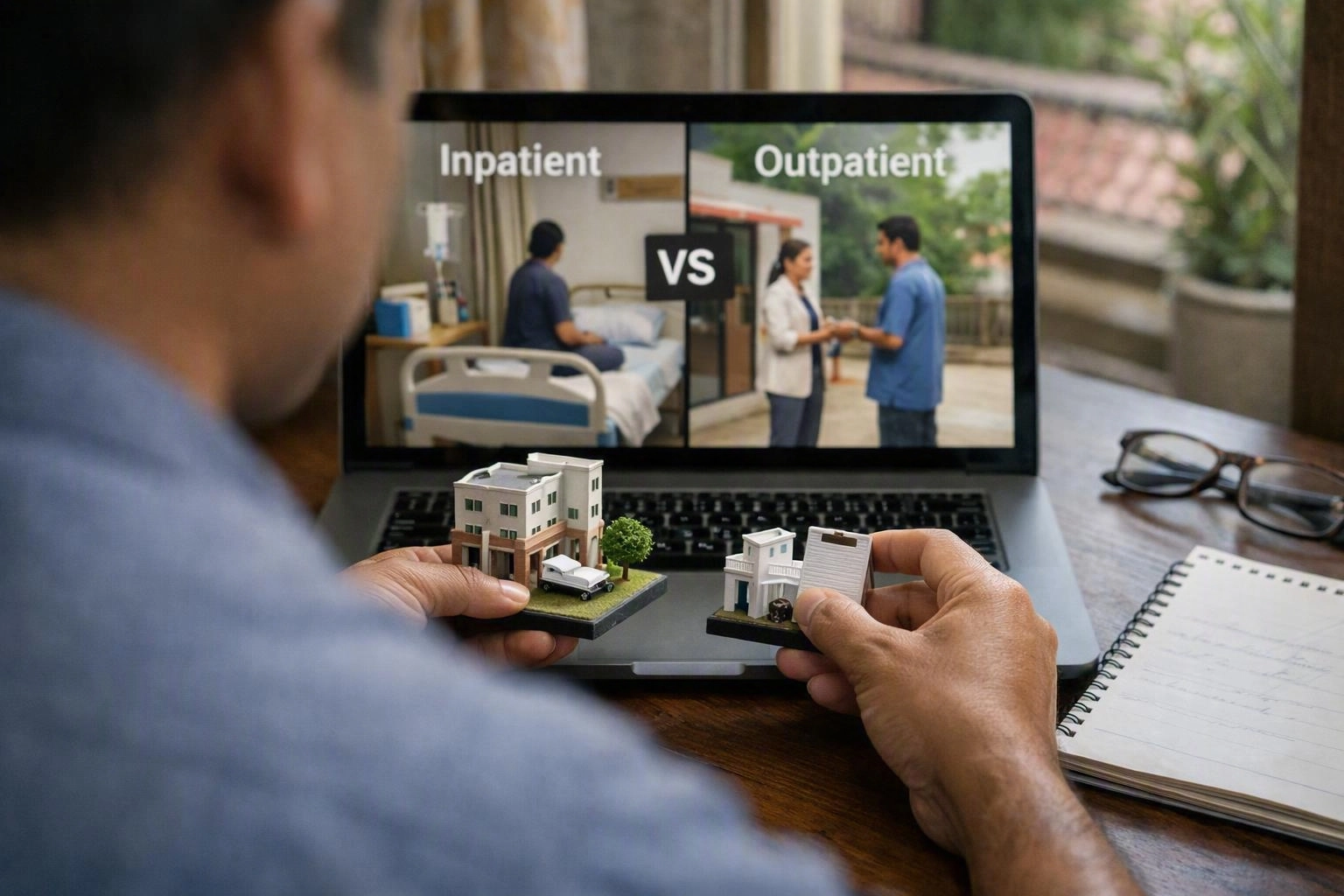
Families often compare a Drug rehab centre in Bhubaneswar with treatment at home. The safest choice depends on withdrawal symptoms, daily support, transport, privacy, and recovery needs.
Prasanta Dash is the author of this guide. Our team can explain each care option and help families understand the next step after a Bhubaneswar assessment.
Inpatient vs Outpatient Rehab: Quick Comparison
Inpatient rehabilitation provides residential care and 24-hour support, while outpatient rehabilitation offers planned treatment from home. Inpatient care often needs more time and may cost more overall. Outpatient care offers more flexibility. The right option depends on withdrawal risk, addiction severity, medical needs, home safety, support, and attendance.
| Factor | Inpatient rehabilitation | Outpatient rehabilitation |
|---|---|---|
| Living arrangement | Residential care with continuous support | Returns home after sessions |
| Treatment intensity | Higher structure and supervision | Scheduled care with less daily supervision |
| Relative cost and effort | Usually higher effort and cost; varies by plan | Usually lower direct cost and effort; varies by services |
| Recovery timeline | Often suits an intensive starting phase | May continue for scheduled weeks or months |
| Maintenance | Structured routine and continuing care planning | Home routines, appointments, and aftercare |
| Best for | High risk, unstable housing, or repeated relapse | Stable people with safe housing and reliable attendance |
Relapse prevention starts during treatment and continues after discharge. An intensive phase may last several weeks. Step-down counseling or an aftercare program may follow. The full treatment time depends on clinical progress.
What Is the Difference Between Inpatient and Outpatient Rehabilitation?
Residential treatment means living at the treatment center during care. It may include medical, psychological, and behavioral support. Outpatient rehabilitation allows a person to return home after planned sessions. The main differences include supervision, housing, treatment intensity, routine, flexibility, and outside triggers.
Both models may include detoxification, individual counseling, group therapy, behavioral therapy, family counseling, education, and medical reviews. Detoxification supports supervised withdrawal. Residential monitoring may be needed when withdrawal symptoms could become dangerous.
Day treatment can include several planned sessions without an overnight stay. It may suit someone with safe housing and dependable family support. Residential care creates distance from alcohol, drugs, and unsafe relationships. It also gives people time to build coping skills.
Daily travel matters in Bhubaneswar. Long journeys, unreliable transport, heat, or monsoon delays can cause missed appointments. These problems can interrupt treatment. Family duties, work schedules, privacy needs, and caregiving also affect home-based recovery.
Is Inpatient or Outpatient Rehab Better for Addiction Recovery?
Clinical assessment should guide the decision because neither option suits everyone. Inpatient treatment may be safer for severe substance dependence, dangerous withdrawal, repeated relapse, or unstable housing. Outpatient treatment may suit stable people who can attend regularly and stay safe between sessions.
Assessment should cover addiction severity, withdrawal needs, co-occurring disorders, physical health, and mental health symptoms. It should also review relapse risk, motivation, and the home setting. Alcohol use disorder and drug addiction can affect people in different ways.
A person with reliable housing may attend an alcohol rehabilitation centre Bhubaneswar families can reach consistently. Another person may need residential rehab. Family conflict, substance access, or untreated mental health symptoms may make home unsafe.
Our team can review attendance, safety, cravings, medication needs, and family support. If risks increase during outpatient care, the person may need prompt referral to residential treatment.
Inpatient Rehab Pros and Cons
Inpatient rehab combines residential living with ongoing treatment support. It can help when safety, withdrawal monitoring, or a new setting is needed. The drawbacks include less flexibility, time away from home, and a possible increase in cost. A clinical assessment should guide this choice.
Advantages
Limitations
Residential care can help during difficult commuting periods. Heavy rain or extreme heat may make daily travel harder. A residential setting can protect attendance during these times.
Outpatient Rehab Pros and Cons
Outpatient rehab provides counseling, therapy, education, and follow-up while the person lives at home. It offers flexibility and lets people stay connected with family or work. However, it provides less daily supervision and leaves people near possible triggers. It suits people who can stay safe outside treatment.
Advantages
Limitations
Families should estimate travel time and check transport options before choosing this model. A nearby service helps only when the person can attend regularly. Work, weather, and household pressures can still affect attendance.
Can Addiction Be Treated Through Outpatient Rehab?
Outpatient addiction treatment can treat addiction when the person is medically stable and willing to take part. The person must also follow a safe routine between appointments. Care may include counseling, behavioral therapy, family support, coping skills, and relapse prevention. A higher level of care may be needed if risks increase.
This approach can help people with alcohol use disorder or drug use disorder. It works best with stable housing and dependable transport. Motivational interviewing may build readiness. Individual counseling and group therapy can address cravings, thoughts, relationships, and daily choices.
Family support matters, but relatives shouldn't provide medical supervision. New withdrawal symptoms, intoxication, suicidal thoughts, severe anxiety, or confusion require prompt clinical review. Repeated substance use between sessions also needs attention.
Outpatient care isn't a lesser form of treatment. It's a non-residential model that works when its structure matches the person's risks. The plan should include clear goals, family counseling when suitable, and an aftercare program.
Families may also find the guide “Detox or Full Rehab: Understanding Which Addiction Treatment You Need” useful when choosing between detoxification and full rehab.
When Is Residential Rehab Necessary, and What Does Outpatient Rehab Cost?
Residential rehabilitation is necessary when withdrawal, relapse, mental health, medical, or home risks can't be managed safely through outpatient care. Outpatient rehab cost varies with session frequency, treatment length, clinical services, medication needs, and aftercare. We should explain the care plan and charges before treatment begins.
Residential care may be recommended for dangerous withdrawal, severe dependence, repeated relapse, serious mental health symptoms, or medical instability. It may also help when the home environment is unsafe. Long or unreliable daily travel in Bhubaneswar can make residential care more practical.
There isn't one responsible fee for outpatient services. Costs may include counseling sessions, clinician involvement, medical support, medication, family sessions, intensive outpatient treatment, and aftercare. The guide “Affordable vs Premium Rehab.
Ask for a written list of included services, session frequency, review dates, treatment length, and continuing care. A Bhubaneswar assessment should also explain how outpatient care can move to residential treatment. This may be needed if withdrawal danger, relapse, mental health symptoms, or home risks increase.
Questions About Rehabilitation Center
Is Inpatient or Outpatient Rehab Better?
Neither option is always better. Inpatient treatment may be safer for severe addiction, dangerous withdrawal, repeated relapse, mental health conditions, or an unsafe home. Outpatient care may suit a medically stable person with safe housing, reliable transport, family support, and regular attendance.
What Is the Difference Between Inpatient and Outpatient Rehabilitation?
Inpatient rehabilitation means living at the treatment center with structured support and supervision. Outpatient rehabilitation means attending planned sessions while living at home. Key differences include supervision, daily structure, flexibility, outside triggers, travel, and medical support.
Can Addiction Be Treated Through Outpatient Rehab?
Yes. Addiction can be treated through outpatient rehab when the person is medically stable, motivated, and safe between sessions. Treatment may include behavioral therapy, motivational interviewing, family support, coping skills, and relapse prevention. Increased risk may require residential care.
How Much Does Outpatient Rehab Cost?
Outpatient rehab cost varies in Bhubaneswar. Key factors include session frequency, treatment length, clinician involvement, medical or medication support, family counseling, and aftercare. Request a clear care plan and charge outline before treatment. Don't rely on an unsupported fixed fee.
When Is Residential Rehab Necessary?
Residential rehab is necessary when withdrawal, relapse risk, medical needs, mental health symptoms, or an unsafe home can't be managed safely. It may also help when transport, work pressure, or household triggers make outpatient attendance unlikely.
Choosing care is a safety decision, not a test of willpower. Discuss withdrawal management, mental health support, family involvement, treatment length, and continuing care with a qualified team.
Related Resources
How to Choose an Alcohol Rehabilitation Centre
alcohol rehabilitation centre Bhubaneswar
How to HireHow to Choose a Drug Rehabilitation Centre
drug rehabilitation centre Bhubaneswar
How Long It TakesHow Long Does Addiction Rehabilitation Take?
how long does drug rehabilitation take Bhubaneswar
When You Need ItSigns That Drinking May Require Alcohol Rehabilitation
signs of alcohol addiction