Aftercare and Relapse Prevention for Lasting Recovery
Relapse prevention and aftercare after rehab help people maintain recovery. Support may include counselling, peer groups, family help, medication management, and early action when warning signs appear. Rehabilitation centres arrange ongoing care after discharge. This support helps people manage triggers, rebuild routines, and seek help when cravings or setbacks arise.
Contact Us TodayWritten by Prasanta Dash, Founder & Managing Trustee · 10 years of local experience
Written by Prasanta Dash
What Is Relapse Prevention in Rehab and How Does It Work?
Relapse prevention in rehab helps a person spot triggers, manage cravings, practise coping skills, and act early. A rehabilitation centre creates this plan with the person. It then connects the plan with counselling, peer support, family help, and care after discharge.
Relapse prevention doesn't predict that someone will use substances again. Instead, it prepares them for difficult moments during addiction recovery. Treatment staff explore personal triggers, such as stress, conflict, pain, loneliness, certain places, or past contacts.
During residential treatment, people practise coping skills through counselling, group work, role-play, and daily routines. Skills may include leaving risky places, calling someone trusted, delaying action, breathing exercises, exercise, journalling, and support meetings. The plan should fit the substance, dependence level, relapse history, and overall health.
A rehabilitation center may also review sleep, nutrition, work, housing, relationships, and medication access. These areas can affect cravings and choices. If mental health conditions are present, treatment should address them too. The guide Addiction and Mental Health: Understanding Dual-Diagnosis Treatment may help families understand this link.
Before discharge, the team checks the plan in realistic situations. The person identifies who to call and where to attend counselling. They also plan medication follow-up and decide what to do after a lapse. Early help can stop a brief setback from becoming regular substance use.
What Should a Relapse Prevention Plan Include?
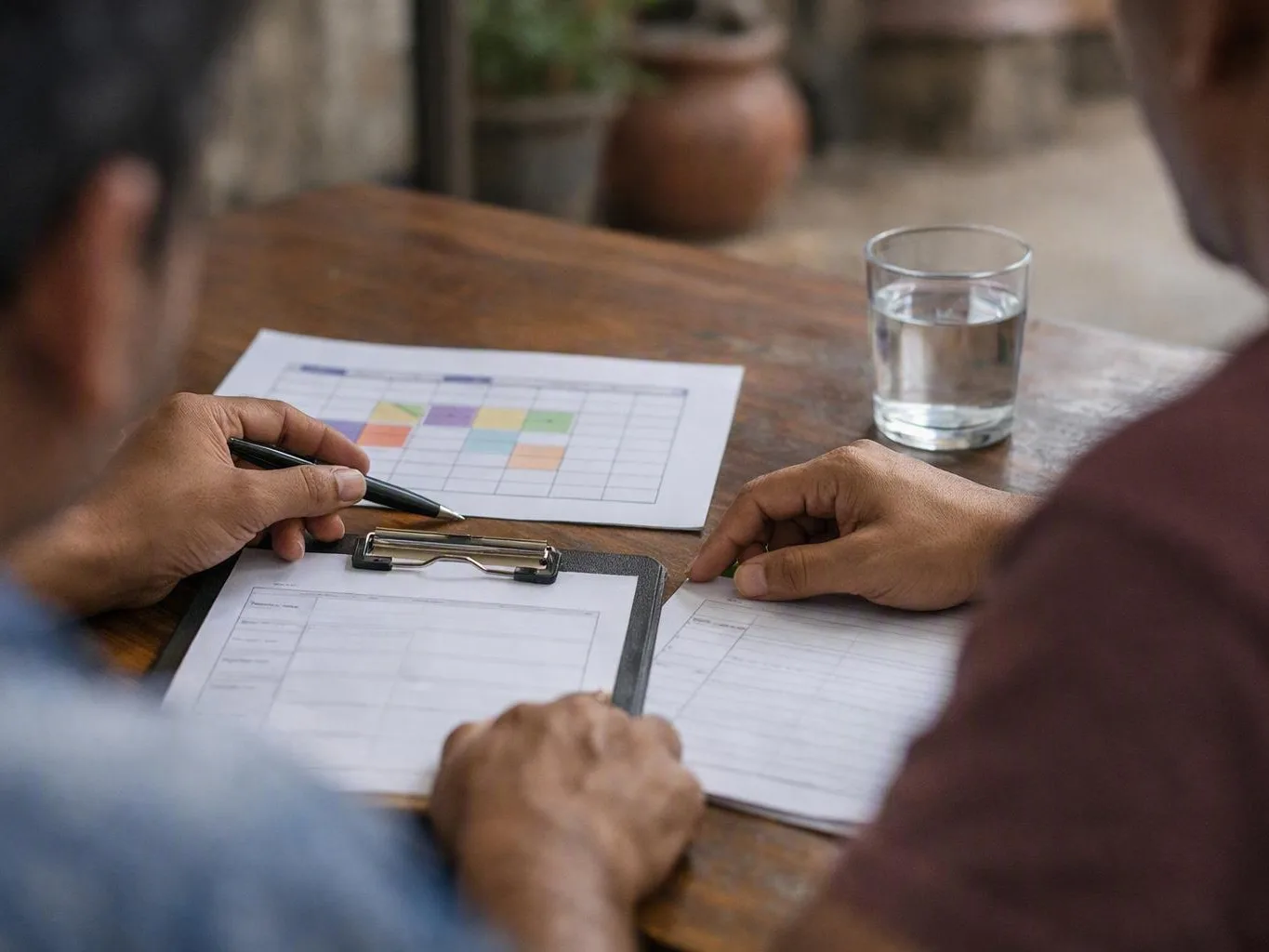
A relapse prevention plan should list personal triggers, warning signs, coping tools, support contacts, appointments, medication instructions, and emergency steps. It should explain what the person will do, who they will call, and when they will seek professional help.
The plan works best when it's short enough to use during stress. With consent, family members and the continuing-care team may receive a copy. Review it after a move, job loss, relationship breakdown, medication change, or renewed cravings.
As a planning guide, many people start with four to eight main triggers. They may also list several coping actions and at least three reliable contacts. This is not a clinical rule. Each plan should match the person's risks and support needs.
How Can You Recognise Warning Signs Before a Relapse?
Warning signs often appear in stages, so early notice allows more time for support. Emotional relapse may involve anxiety, anger, hopelessness, poor sleep, or poor self-care. The person may not yet be thinking about substance use.
Mental relapse can include cravings and memories of the enjoyable parts of past use. It may involve bargaining about “just once” or planning how to obtain a substance. The person may feel torn between recovery goals and old habits.
Behavioural relapse may appear as isolation, missed counselling, contact with former using friends, secretive actions, skipped medication, or visits to risky places. Cravings may rise quickly after these changes. Families and clinicians should use calm questions and prompt support, not shame.
What Happens After Leaving a Rehabilitation Centre?
After leaving a rehabilitation centre, a person usually follows a discharge and continuing-care plan. It may include outpatient counselling, support groups, family sessions, medical follow-up, sober living support, and progress reviews. This stage helps people use recovery skills while keeping professional support available.
Discharge planning should start before the final day of residential treatment. The team confirms housing, transport, medication, appointments, family consent, emergency contacts, and the first follow-up visit. A clear handover helps prevent gaps in care.
Step-down care may move from residential treatment to outpatient counselling, a recovery centre, sober living, or several services. Contact may reduce when recovery goals are met. It should increase again if cravings, mental health symptoms, or unsafe conditions return.
Support groups offer peer support and regular accountability. Family therapy can improve communication, repair trust, and teach healthy boundaries. Medical follow-up may address medication, withdrawal concerns, sleep, pain, or mental health conditions.
Our team adjusts continuing care for different substances, dependence levels, relapse histories, and mental health needs. Someone recovering from alcohol dependence may need a different plan from someone recovering from opioid or stimulant use. Families should discuss services, privacy, caregiver involvement, monitoring, and emergency access.
A Recovery Centre in Bhubaneswar may suit people seeking structured support. Others may need care closer to home. Someone searching for a Best Rehabilation Centre Near me should compare clinical care, discharge planning, family involvement, and follow-up access.
How Long Does Addiction Aftercare Last?
Addiction aftercare has no fixed length because recovery needs and relapse risks differ. Many people benefit from structured support for several months. They may continue less frequent counselling, peer meetings, or check-ins for longer.
Aftercare length may depend on the substance, withdrawal history, length of use, past treatment, housing, work, family support, and mental health conditions. Someone with repeated relapse or limited support may need closer monitoring.
Treatment should be reviewed at planned times. Clinicians may ask if cravings are improving and appointments are being attended. They may also review medication safety, relationships, and recovery goals. Progress doesn't always mean ending support. It may mean moving from weekly counselling to fewer check-ins.
Continuing support can include outpatient aftercare, peer groups, family therapy, medication follow-up, and relapse management. Reducing services slowly is safer than stopping suddenly. Support can increase after stress, a lapse, worsening depression, or renewed access to substances.
When Do You Need Both Rehab Services and Aftercare Support?
Rehabilitation services and aftercare work well together when someone needs intensive treatment first and structured help afterward. This may apply when dependence is severe, relapse has happened before, mental health symptoms are present, or family support is limited.
Both stages may be appropriate in these situations:
Qualified professionals and the person receiving care should make this decision together. A combined plan supports steady care without giving everyone the same treatment level.
How Do Rehabilitation and Aftercare Services Work Together?
Rehabilitation and aftercare follow a planned sequence. Assessment and intensive treatment come first. Discharge preparation, counselling, monitoring, and quick support follow. This approach reduces gaps in care. Costs vary with treatment intensity, length, accommodation, clinical needs, and included services.
The handover should be clear and specific. A Recovery Centre or Nasha Mukti Kendra may coordinate records, appointments, medication follow-up, family consent, transport, and crisis contacts. This helps the next provider understand recovery goals and risks.
Privacy, clinician access, caregiver involvement, monitoring, and emergency help all matter. Services should explain who provides care and how quickly concerns receive a response. They should also explain what happens after a missed appointment or reported lapse.
How Can Families Respond to Warning Signs of Relapse?
Families can stay calm and describe specific changes without blame. They can listen, encourage contact with the care team, and follow the crisis plan. Clear safety boundaries also matter. Urgent professional or emergency help is needed when danger is immediate.
A useful response starts with careful observation. Instead of saying, “You are failing,” a relative might say, “I noticed two missed appointments, poor sleep, and more isolation.” Specific words reduce arguments and support the next safe step.
Boundary setting protects the person in recovery and the household. Families may refuse money that could support substance use. They may also ban substances from the home and respond to threats or violence. Boundaries should be clear and consistent.
Kind communication doesn't mean accepting unsafe behaviour. Relatives can listen, ask what support may help, and encourage contact with a counsellor, doctor, or peer supporter. They shouldn't hide consequences or manage withdrawal without medical advice.
A crisis plan should name who contacts the treatment team and where the person can go. It should explain medication concerns and emergency steps. Overdose signs, severe confusion, suicidal intent, or serious violence require urgent emergency help.
Caregiver support matters too. Family therapy can improve communication and accountability. Relatives may also need counselling or peer support. Recovery is safer when families share responsibility with professionals.
Questions About Rehabilitation Center
What Is Relapse Prevention in Rehab?
Relapse prevention in rehab helps identify triggers, manage cravings, practise coping skills, and respond early to warning signs. It connects treatment with counselling, peer support, family help, medication management, and care after discharge.
What Should a Relapse Prevention Plan Include?
It should include triggers, high-risk situations, warning signs, coping tools, craving steps, emergency contacts, medication instructions, appointments, family agreements, and an aftercare schedule.
What Happens After Leaving a Rehabilitation Centre?
After discharge, a person may receive counselling, medical follow-up, support groups, family therapy, sober living support, medication management, and progress reviews. The plan applies recovery skills to daily life while keeping professional help available.
How Long Does Addiction Aftercare Last?
There is no standard duration. Many people use structured aftercare for several months, then continue fewer counselling sessions, peer meetings, or check-ins. The length should match recovery needs, relapse risk, health, and progress.
How Can Families Respond to Warning Signs of Relapse?
Families should stay calm, describe changes without blame, listen, encourage contact with the care team, and follow the crisis plan. They should set safety boundaries and seek urgent help when immediate danger exists.
Planning early can make the move from rehab safer and less stressful. Discuss clinical needs, privacy, caregiver involvement, monitoring, emergency access, and treatment costs with a qualified care team before discharge.
Speak with a care professional about continuing recovery support
Related Resources
How Much Does Rehabilitation Cost in Bhubaneswar?
rehabilitation centre cost Bhubaneswar
How It WorksWhat Happens When You Contact a Rehab Centre? The Admission Process Explained
rehab centre admission process Bhubaneswar
How It WorksWhat Happens After Rehab? Family Support and Continuing Care
rehab aftercare and family counselling Bhubaneswar
When You Need ItHow to Know When You May Need Rehabilitation for Addiction
signs you need rehab