How to Recognise When Addiction Rehab May Help
Addiction may require rehabilitation when substance use causes repeated harm or loss of control. Withdrawal, health problems, relationship damage, and failed attempts to stop are also warning signs. You may need rehab if daily life centers on finding, using, or recovering from substances. Home-based efforts may not have worked. A qualified addiction professional can assess addiction severity, medical risks, and mental health needs. They can also recommend the right level of care. Rehab may offer structured treatment, withdrawal support, therapy, relapse prevention, and continuing care. Seek urgent medical help for overdose symptoms, severe withdrawal, confusion, seizures, or thoughts of self-harm.
Contact Us TodayWritten by Prasanta Dash, Founder & Managing Trustee · 10 years of local experience
At Steps Deaddiction & Mental Health Services, we offer respectful guidance for people considering behavioral health care. This includes confidential assessment and treatment planning.
Author: Prasanta Dash
What Are the Signs You May Need Rehab?
Signs you need rehab include loss of control, failed attempts to stop, withdrawal, and tolerance. Worsening health, relationship conflict, work problems, risky behaviour, and continued use despite harm also matter. Several signs suggest that a professional assessment is appropriate.
A substance use disorder can grow slowly. People may explain away each warning sign. Look at the overall pattern, not one difficult day. These signs can help you decide whether addiction treatment needs prompt attention.
You don't need major problems before seeking help. Early assessment can show what level of support you need. It may also lower the chance of a crisis. The Signs That Drinking May Require Alcohol Rehabilitation and Warning Signs That Drug Use May Need Professional Treatment can help families discuss concerns without blame.
Physical, Emotional, and Behavioral Warning Signs
Warning signs often appear in several areas at once. Physical clues may include sudden weight change, tiredness, injuries, infections, or repeated requests for medication. Emotional clues can include mood changes, irritability, anxiety, depression, numbness, or intense reactions.
Family members may notice behaviour changes first. A person may hide where they've been or become secretive about money and messages. They may miss appointments or neglect daily duties. Cravings can lead to constant planning around the next use. Overdose risk rises when substances are mixed, strength is unclear, or someone uses alone.
These signs don't prove a diagnosis, but they are good reasons to request a clinical conversation. A calm, private discussion usually works better than an accusation. If someone is unconscious, breathing slowly, turning blue, having a seizure, or hard to wake, call emergency services immediately.
How Do You Know if You Need Addiction Treatment?
You may need addiction treatment when substance use is hard to control or causes lasting harm. Continued use despite serious consequences is another warning sign. A clinician considers use patterns, withdrawal risk, health needs, mental health, home support, and relapse history. These details help them recommend outpatient care, intensive treatment, residential rehab, or medically supervised detox.
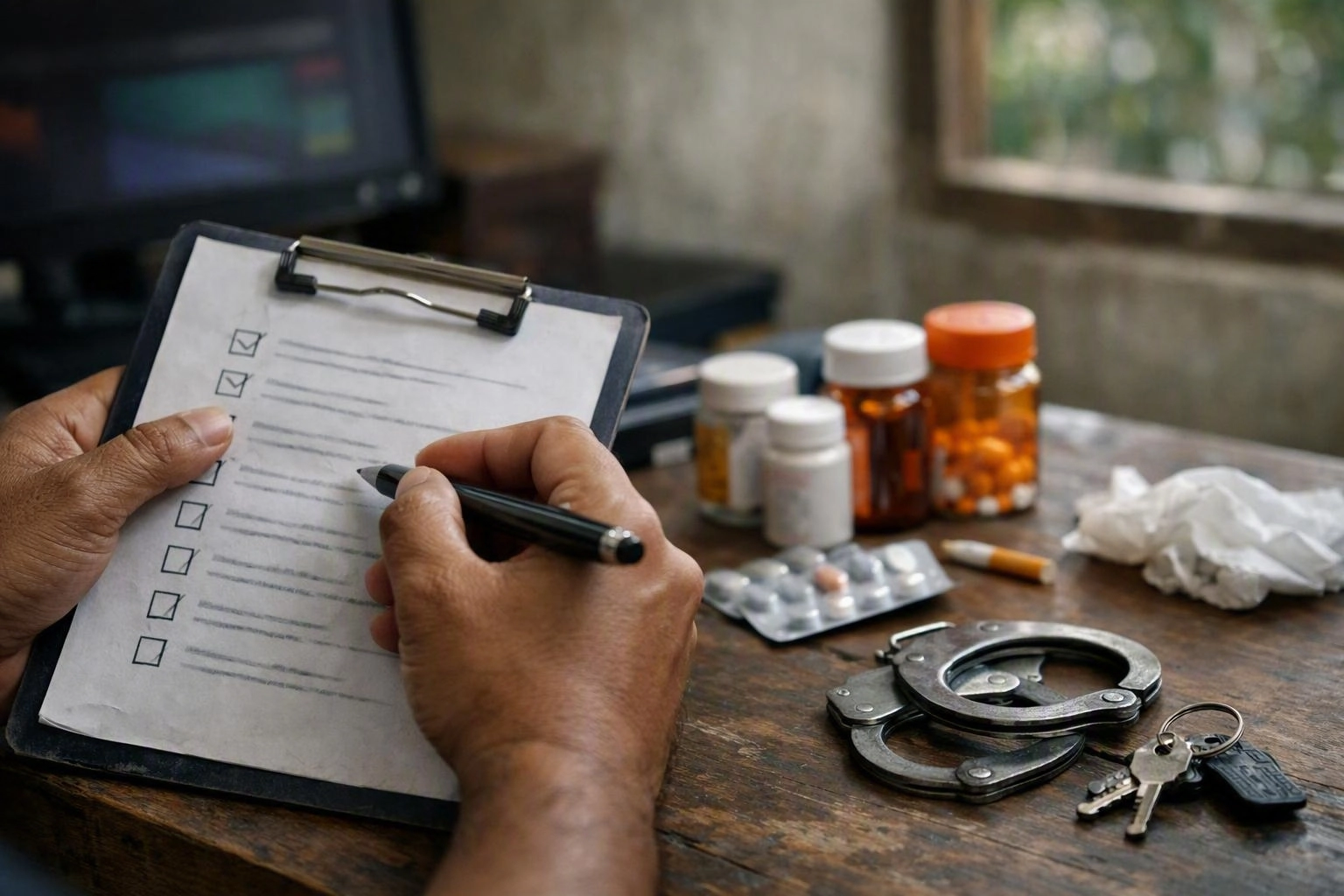
There isn't one test that decides whether someone should enter care. During an assessment, an addiction professional may ask what substance you use. They may ask how much and how often you use it. They may also ask when you last used it and whether withdrawal happened before.
The assessment also considers addiction severity, physical conditions, medications, pregnancy, and trauma. It checks for co-occurring mental health disorders too. Depression, anxiety, psychosis, or suicidal thoughts may need coordinated mental health support. You can discuss privacy before sharing information with relatives.
Motivation to change can vary. You don't need to feel fully ready before seeking a treatment consultation. A rehabilitation center can explain outpatient treatment, residential treatment, and medically supervised detox. The recommended care level should match your safety needs, home situation, and need for supervision.
A first assessment may take about 60 to 90 minutes. The time can change with medical needs and communication concerns. Our team can explain our services and privacy rules. We can also explain how family may be involved with your permission.
Should I Go to Rehab or Try to Stop on My Own?
Rehab is worth considering when self-directed attempts have failed or withdrawal may be dangerous. It may also help when substance use is severe or home support is limited. Some people benefit from outpatient counseling. Others need residential care or medical detox. A qualified professional can compare your risks and suggest a safer setting.
Self-directed recovery may suit some people with lower medical risk and reliable support. A clear safety plan is also needed. This approach is less suitable when use is heavy, several substances are involved, or past withdrawal caused serious symptoms.
| Factor | Self-directed recovery | Professional rehabilitation |
|---|---|---|
| Withdrawal risk | Managed without clinical monitoring | Medical supervision can spot complications |
| Detoxification | May lack medicines or emergency support | Medical detox may be arranged when appropriate |
| Daily structure | Depends on personal planning | Scheduled care and regular monitoring |
| Relapse prevention | Usually self-designed | Treatment covers skills, triggers, and follow-up |
| Support | Friends, family, or peer groups | Qualified staff, therapy, and planned continuing care |
Professional rehabilitation doesn't always mean staying overnight. Outpatient treatment provides therapy while a person stays at home. Residential care offers more structure when home feels unsafe or daily use is hard to stop. A clinical assessment should guide the choice, not shame or pressure.
When Should Someone Go to Rehab?
Someone should go to rehab when substance use threatens health, safety, relationships, work, or daily life. This is especially true after repeated attempts to quit. Treatment should begin quickly when withdrawal, overdose risk, serious mental health symptoms, or unsafe living conditions are present. Emergency symptoms need immediate medical care, not routine admission.
Readiness for treatment can be partial. A person may agree to an assessment while still feeling unsure about lasting change. That's enough to start a conversation. Family support can help with transport, appointments, medication details, and a calm treatment plan.
Crisis intervention differs from routine planning. If there's an overdose, seizure, severe confusion, chest pain, dangerous agitation, or immediate self-harm risk, contact emergency medical services. Don't leave the person alone or attempt risky withdrawal care at home.
For nonemergency situations, an addiction specialist can arrange admission or outpatient care. They can also help with residential treatment or medical detoxification. Family members should respect privacy while sharing safety information that may affect care. Early support can prevent a crisis from becoming the only reason someone seeks help.
DIY Recovery vs Professional Rehab: What Is the Difference?
DIY recovery relies on personal plans, informal support, and self-monitoring. Professional rehab provides assessment, trained supervision, therapy, peer support, and continuing-care planning. The safer choice depends on the substance, withdrawal risk, addiction severity, and physical health. Mental health and home stability also matter.
Home recovery may include support meetings, trusted relatives, exercise, sleep routines, and avoiding triggers. These tools can support change. They don't replace medical assessment when withdrawal or overdose risk is possible.
| Factor | DIY recovery | Professional rehab |
|---|---|---|
| Setting | Home or community setting | Rehabilitation center, outpatient clinic, or residential program |
| Schedule | Flexible and self-managed | Structured schedule with planned visits and activities |
| Therapy | May be informal or arranged separately | Individual and group therapy are coordinated |
| Peer support | Community meetings or personal networks | Peer support within a treatment plan |
| Aftercare | Often created independently | Aftercare and continuing care are planned before discharge |
Structured care may include family counseling, medication review, and help for co-occurring disorders. The Best deaddiction centre for one person may not suit another. Look for qualified supervision, suitable therapy, relapse prevention, and realistic continuing care.
What Happens During an Addiction Rehabilitation Program?
An addiction rehabilitation program usually starts with an assessment. Staff review substance use, physical health, mental health, withdrawal risk, and recovery goals. Treatment may include supervised detox, individual therapy, group therapy, family support, and medicine when appropriate. It can also include coping skills, relapse prevention, and continuing care after discharge.
An admission assessment helps staff understand immediate safety needs. It also helps them choose outpatient, intensive, residential, or medical care. Detox support focuses on withdrawal symptoms, hydration, observation, and comfort. Hospital care may be needed when symptoms are severe.
Individual therapy can explore triggers, trauma, beliefs, and personal goals. Group therapy builds communication skills and offers peer feedback. Family counseling can improve communication and set healthy boundaries. It also teaches relatives how to support recovery without taking responsibility away from the person.
Before discharge, the team creates a relapse-prevention plan. It may list warning signs, coping steps, appointments, medicine follow-up, peer support, family contacts, and emergency referrals. Continuing care matters because recovery is a process, not one admission.
What Is the Safest Next Step if You Recognise These Signs?
The safest next step is to contact an addiction treatment professional for a confidential assessment. Don't wait for the harm to grow. Share the substance used, amount, frequency, withdrawal history, health conditions, and mental health symptoms. Seek emergency care for overdose signs, seizures, severe confusion, or self-harm risk.
A treatment consultation can show whether outpatient care, residential treatment, or medical detox is appropriate. You can ask about privacy, family involvement, mental health needs, costs, transport, and continuing care. You don't have to make a final decision during the first call.
For confidential support, contact our team. In an emergency, use local emergency services instead of waiting for a routine appointment.
Questions About Rehabilitation Center
What Are the First Signs of Addiction?
Early signs may include cravings, using more than planned, hiding use, and neglecting responsibilities. Needing more to feel the same effect and continuing despite harm are also warning signs. One sign doesn't confirm addiction, but a growing pattern deserves a confidential assessment.
How Do You Know When You Need Rehab?
You may need rehab when use is hard to control or attempts to stop have failed. Withdrawal may be risky, and substance use may harm health, safety, relationships, or work. A clinician can match your needs to outpatient, residential, or medically supervised care.
Should I Go to Rehab or Try to Quit on My Own?
Consider professional care if withdrawal could be dangerous, home support is limited, or use is severe. Earlier attempts that didn't last are another reason to seek help. Some people begin with outpatient counseling, while others need residential support or medical detox.
When Should Someone Go to Rehab?
Someone should seek treatment when substance use repeatedly threatens health, safety, relationships, work, or daily life. Immediate medical help is needed for overdose symptoms, seizures, severe confusion, dangerous withdrawal, or thoughts of self-harm.
Can You Need Rehab Even if You Are Still Functioning Normally?
Yes. A person may keep working or meeting responsibilities while facing cravings, tolerance, secrecy, or loss of control. Health risks may still be present. Visible functioning doesn't rule out a substance use disorder or the need for early professional support.
Related Resources
How Much Does Rehabilitation Cost in Bhubaneswar?
rehabilitation centre cost Bhubaneswar
How to HireHow to Choose a Rehabilitation Centre: A Family Checklist
how to choose a rehabilitation centre Bhubaneswar
How to HireHow to Choose Rehab When Addiction and Mental Health Overlap
dual diagnosis rehab Bhubaneswar mental health addiction
How It WorksWhat Happens After Rehab? Family Support and Continuing Care
rehab aftercare and family counselling Bhubaneswar