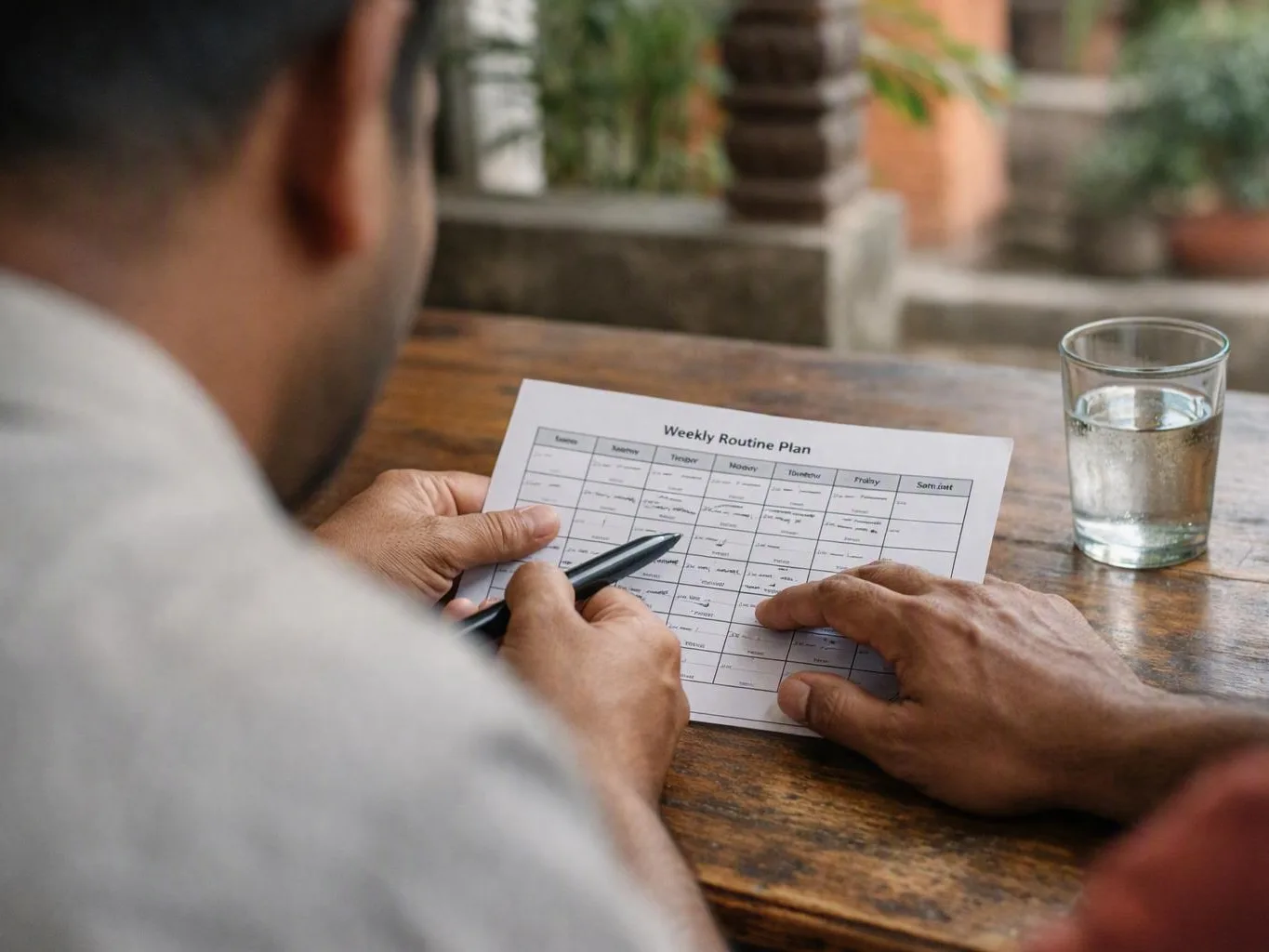
What Happens When You Contact a Rehab Centre in Bhubaneswar?
Steps Deaddiction & Mental Health Services starts the rehab centre admission process in Bhubaneswar with a private phone or in-person enquiry. Next come assessment, medical review, documents, consent, and admission planning. Families can call the centre for someone else and share important health and substance-use details. They can also discuss immediate safety concerns. Before admission, the centre explains treatment options, house rules, likely stay, belongings, costs, and arrival plans. Emergency symptoms need urgent medical help instead of routine admission.
Contact Us TodayWritten by Prasanta Dash, Founder & Managing Trustee · 10 years of local experience
Families comparing a Rehabilitation Centre in Bhubaneswar may feel less worried with a clear admission plan. This guide explains what to ask and what to prepare. It also explains when residential care should pause for urgent medical help.
Author: Prasanta Dash
What Is the Rehab Centre Admission Process in Bhubaneswar?
The rehab centre admission process in Bhubaneswar usually begins with a private enquiry and basic questions. The centre then reviews substance use, physical health, mental health, safety, and care needs. After that, staff explain the programme, confirm consent, collect documents, and set an admission date.
This healthcare admission process involves more than booking a bed. It checks whether the person can safely enter the planned setting. A Nasha Mukti Kendra may have its own intake rules. Families should ask about medical cover, withdrawal management, counselling, family support, and aftercare before confirming.
How Do You Admit Someone to a De-Addiction Centre?
A family member can start admission by calling or visiting a de-addiction centre. Describe the person’s substance use and current condition, then ask about assessment and available beds. Admission should include informed consent whenever possible. Urgent medical or safety risks need immediate clinical attention.
Start with clear, honest information. Share the substance used, amount, frequency, and last use. Mention past withdrawal, illnesses, psychiatric symptoms, allergies, and prescription medicines. Don’t hide seizures, severe confusion, breathing trouble, suicidal thoughts, aggression, intoxication, or other risks to secure a routine bed.
Withdrawal management may need medical evaluation before residential admission. Risk can vary with alcohol, sedatives, opioids, and other substances. Families in Bhubaneswar should plan transport carefully. Keep a trusted emergency contact available if the person is weak, intoxicated, distressed, or medically unstable.
Ask if the centre can accept the person immediately. It may need medical clearance or recommend a hospital first. Calm transport and supportive communication are safer than surprise or force. Give staff a clear handover of the person’s medical information. The guide “Need Rehab Quickly? How to Arrange an Urgent Assessment” may help families plan their next call.
Can a Family Contact a Rehab Centre on Someone’s Behalf?
Yes. A family member or caregiver can ask about services, availability, assessment needs, and safety steps. This first call can help families understand their options before inviting the person to an appointment.
Privacy still matters. A centre may receive information from a relative but may not share private clinical details without permission. Exceptions can apply when safety or legal duties require action. Families should explain their relationship and share only useful facts. They should also ask how staff will record the information.
Informed consent should guide admission when the person can make decisions. If the person refuses care but poses an immediate danger, seek urgent professional help. The same applies to serious medical conditions. Don’t try unsafe confinement. Families in another part of Bhubaneswar can arrange documents, medicines, transport, and follow-up through one agreed contact person.
What Happens During a Rehab Assessment?
A rehab assessment reviews substance use, past treatment, physical health, mental health, medicines, withdrawal risk, and safety needs. The clinical team uses these details to suggest the right level of care. Staff also explain treatment expectations, identify referrals, and create an individualised admission plan.
The assessment may begin with the person’s own account. With permission, staff may also speak with a family caregiver. They may ask about first use, recent patterns, cravings, overdose history, and past attempts to stop. Other topics can include sleep, nutrition, housing, work, relationships, legal issues, and money worries.
A medical evaluation checks illnesses, injuries, allergies, vital signs, prescription medicines, and symptoms of intoxication or withdrawal. A mental health check looks at depression, anxiety, psychosis, trauma, and self-harm thoughts. These checks help staff decide if routine admission is safe.
Withdrawal screening matters when recent use was heavy or prolonged. Severe withdrawal, intoxication, medical instability, or psychiatric risk may need urgent healthcare support. The person may need a referral before residential care in Bhubaneswar. The final plan may include medical monitoring, counselling, family support, and other care instead of immediate entry.
What Documents and Items Are Needed for Rehab Admission?
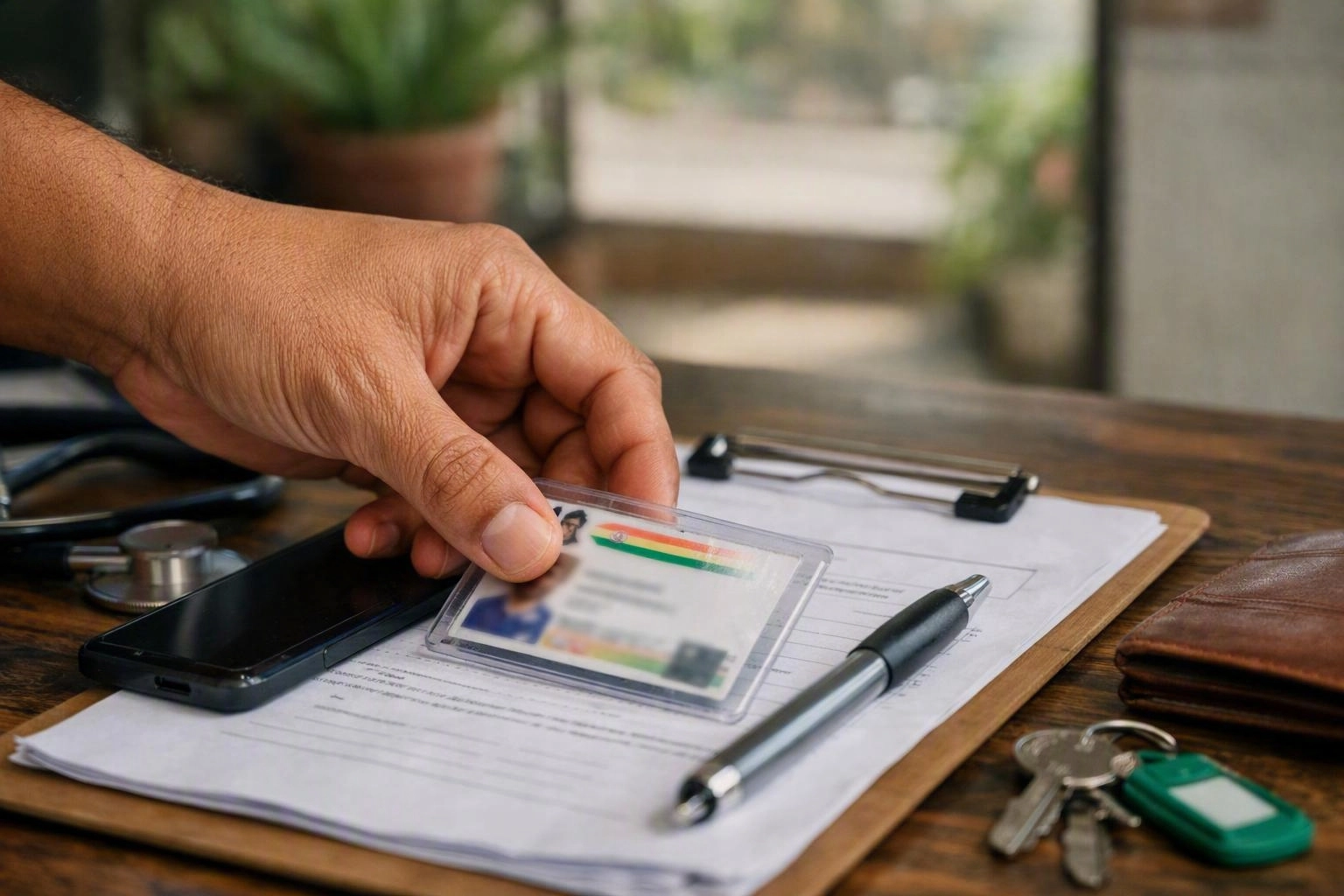
Rehab admission often requires an identity document, emergency contact details, medical records, current prescriptions, and allergy information. The centre should confirm its document and belongings rules before arrival. Bring only approved items and report medicines or health conditions accurately.
Ask if the centre restricts valuables, cash, sharp objects, outside food, electronic devices, or certain clothes. If the person lives elsewhere in the city, one family member can prepare a labelled medicine list. Keep copies of important records too. This helps prevent delays and supports accurate intake checks.
How Long Does Admission and Initial Treatment Planning Take?
Admission timing depends on the assessment, available beds, medical clearance, consent, and family information. A simple enquiry may move quickly. Withdrawal risk, mental health needs, missing documents, or referrals can take more time. The centre should explain each expected step.
The timeframes below are examples, not promises. A phone enquiry may take a short conversation. A full assessment and safe arrival may take longer if medical review is needed. Bed availability can also change the planned date.
| Planning stage | Typical timeframe | Possible delay factor |
|---|---|---|
| Initial enquiry | Often 15–30 minutes | Missing basic information |
| Assessment and review | Commonly 1–3 hours | Withdrawal or mental health concerns |
| Admission planning | Same day to several days | Bed availability or medical clearance |
Discuss costs before confirming admission. Programme length, medical supervision, accommodation, medicines, and extra clinical needs can affect the final cost. Ask what the fee includes and what costs extra. Also ask when payment is due.
How Should Families Prepare Before Rehab Admission?
Families can prepare by confirming the assessment time and arrival details. Arrange safe transport, record medicines and health information, and pack approved belongings. Discuss communication expectations too. Calm, respectful support can reduce worry and avoid delays.
Don’t promise a fixed treatment length or guaranteed result. The plan may change after clinical review. Families can prepare questions about counselling, withdrawal support, family sessions, discharge, and aftercare before arrival.
What Happens After You Arrive at the Rehab Centre?
After arrival, the rehab centre checks admission details and completes intake and safety checks. Staff record medicines and belongings, explain house rules, and provide an orientation. The care team then starts the agreed plan. This may include medical monitoring, counselling, behaviour support, family involvement, and referrals.
Intake checks confirm identity, consent, emergency contacts, assessment results, allergies, medicines, and the agreed care level. Staff may check belongings and record items kept for safety. The person should learn how privacy, calls, visitors, complaints, and urgent health concerns are handled.
Orientation covers daily routines, sleeping arrangements, meals, group activities, counselling times, staff roles, and house rules. Clear rules help protect everyone and make the setting easier to understand. Families should ask how staff store and give prescription medicines. They should also ask who receives updates about health concerns.
If withdrawal symptoms appear, the team may start or arrange withdrawal management. This depends on the assessment and available clinical support. Severe symptoms, intoxication, medical instability, or psychiatric risk may need urgent referral instead of routine intake. Tell staff if the person’s condition changes during travel.
Once immediate safety is addressed, counselling and recovery planning can begin. The plan may include individual sessions, group work, medical review, family support, relapse-risk education, discharge preparation, and continuing care. “What Happens After Rehab? Family Support and Continuing Care” can help families plan beyond the initial stay.
If you want to discuss a confidential enquiry, use the contact option and share only information needed for safe guidance.
Questions About Rehabilitation Center
What Is the Admission Process for a Rehab Centre?
It usually includes an initial phone or in-person enquiry, private consultation, clinical assessment, medical review, consent, documents, and admission planning. The team also checks withdrawal risk, safety, bed availability, treatment needs, costs, belongings, and arrival plans before confirming care.
How Do I Admit Someone to a De-Addiction Centre?
Call or visit the centre and describe the person’s substance use and current condition. Ask about assessment, consent, availability, and transport. Share medical and mental health details honestly. Severe withdrawal, intoxication, psychiatric risk, or medical instability needs urgent medical help before routine admission.
What Happens During a Rehab Assessment?
The assessment reviews substance use, past treatment, medical history, prescription medicines, mental health, withdrawal risk, and immediate safety. The clinical team then suggests the right care level, explains expectations, identifies referrals, and creates an individualised treatment plan.
What Documents Are Needed for Rehab Admission?
Most centres ask for an identity document, emergency contact details, medical records, allergy information, and current prescription details. Confirm the centre’s policy before arrival and bring only approved belongings. Accurate records help prevent delays and medicine errors.
Can a Family Contact a Rehab Centre on Someone’s Behalf?
Yes. A family member or caregiver can ask about assessment, safety, availability, and preparation. However, privacy rules limit what the centre can share without consent. If there’s immediate danger or serious medical risk, seek urgent professional help instead of unsafe transport or confinement.
Related Resources
How Much Does Rehabilitation Cost in Bhubaneswar?
rehabilitation centre cost Bhubaneswar
What's RequiredHow to Talk to a Loved One About Going to Rehab
how to convince someone to go to rehab
What's RequiredRehab Preparation and Packing Checklist
what to bring to rehab checklist
Everything About ItHow to Check a De-Addiction Centre’s Registration, Safety and Patient Rights
legal and compliance requirements for de-addiction centres