How Addiction Rehabilitation Supports Recovery and Long-Term Change
Addiction rehabilitation supports recovery through medical care, therapy, peer support, and relapse-prevention planning. Rehab helps people manage withdrawal and understand their triggers. It also helps them build healthy routines, repair relationships, and plan ongoing care. Treatment can lead to lasting change, but recovery takes steady effort and isn't a guaranteed cure. At Steps Deaddiction & Mental Health Services, we help people understand treatment choices and plan their next recovery step.
Contact Us TodayWritten by Prasanta Dash, Founder & Managing Trustee · 10 years of local experience
Substance use can affect health, judgment, work, family life, and personal safety. A structured setting gives someone time and support to face these concerns. Recovery shouldn't depend on willpower alone. Our team looks at the whole person, including physical health, emotional wellbeing, family relationships, culture, privacy, and practical barriers.
Author: Prasanta Dash
What Are the Benefits of Going to Rehab?
Addiction rehabilitation provides structured care for substance use disorder. It can include assessment, withdrawal support, counseling, skills training, and continuing care. Benefits may include safer stabilization, better insight into addiction, stronger coping skills, peer support, and a recovery plan based on personal needs.
Rehab is behavioral health care, not simply a place to stop using a substance. A person may receive medical observation, therapy, individual counseling, group counseling, education, and discharge planning. The treatment team can update the individualized treatment plan as new needs appear.
Before recommending residential rehabilitation or outpatient addiction treatment, our team reviews the substance involved and the pattern of use. We also check withdrawal risk, physical health, safety concerns, and co-occurring disorders. The assessment may cover housing, transport, work, family duties, language, cultural needs, and personal goals. These details help match the level of care to each person.
A person may enter a deaddiction program to stop using substances, lower immediate harm, improve mental health, restore daily life, or return home safely. Progress should be measured against agreed recovery goals. Follow-up and continuing care remain important.
Medical Stabilization and Safer Withdrawal Support
Withdrawal management helps someone stop or reduce substance use with medical checks and clinical monitoring. Withdrawal may cause sleep problems, anxiety, nausea, pain, confusion, seizures, or severe agitation. The effects depend on the substance and the person's health. Some types of withdrawal can become dangerous without professional care.
Clinicians review medicines, physical symptoms, hydration, nutrition, vital signs, and risks linked to alcohol, sedatives, opioids, or other substances. They also check for mental health concerns, such as depression, trauma, anxiety, or psychosis. Stabilization may take several days to a few weeks. The timing varies and shouldn't be promised before assessment.
Therapy Builds Insight and Emotional Coping Skills
Therapy helps people see how thoughts, feelings, habits, and surroundings affect substance use. Cognitive behavioral therapy can uncover unhelpful thoughts and replace them with useful responses. Motivational interviewing helps people explore doubts and find their own reasons to change.
Trauma-informed care avoids blame and recognizes how past trauma can affect trust and behaviour. Sessions may teach emotional control, stress management, communication, problem-solving, and craving management. Progress may show through regular attendance, better self-awareness, and the ability to pause before acting on an urge.
Peer Support Reduces Isolation and Strengthens Accountability
Group therapy and peer recovery support remind people that addiction can be treated. They also create a space to discuss setbacks without shame. Hearing other experiences can reduce loneliness and offer practical ways to handle work, family pressure, social events, and cravings.
A support network may include peers, counselors, family members, doctors, and community groups. Regular check-ins support accountability, but they should feel respectful rather than punitive. Someone may begin with frequent group contact and later move to a schedule that fits daily life.
Daily Structure Helps Build Healthy Habits
Rehab helps turn recovery skills into regular daily actions. A planned day may include therapy, meals, rest, exercise, personal care, medication routines, and quiet time. This structure limits long, unplanned periods when cravings, boredom, or stressful contact could lead to substance use.
Healthy routines support better sleep, nutrition, movement, and emotional balance. Exercise can begin gently and change with physical ability. Nutrition support may help with poor appetite, dehydration, or missed meals. Trigger planning can include changing routes, avoiding unsafe contacts, removing substances from home, and preparing for sudden stress.
Habits usually change through repetition, not one dramatic decision. A program may practise key routines each day and review what will work after discharge. The goal isn't perfection. It's a stronger pattern of choices that supports recovery.
Family and Relationship Support Improves Recovery Stability
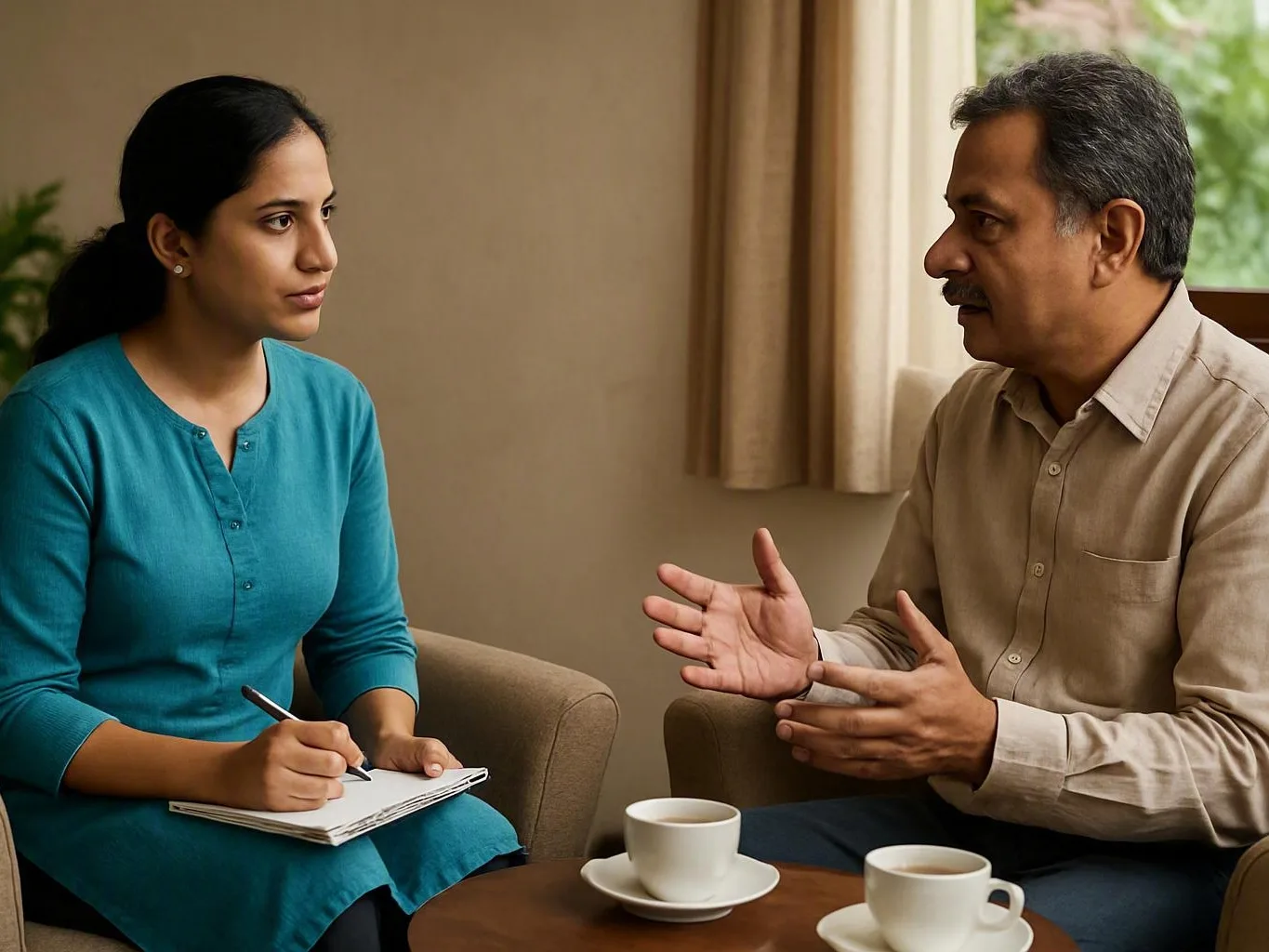
Family counseling can help relatives understand substance use and share concerns safely. It can also show them how to support recovery without taking full responsibility. Better communication helps families discuss needs, warning signs, treatment plans, and emergencies.
Boundaries matter too. A family may agree on the support it can provide and the behaviour it can't accept. It can also plan what to do if substance use returns. With consent, family members may join selected sessions or planning meetings. Respect for culture and privacy helps make this support safe and useful.
Better social functioning may include more reliable duties, fewer conflicts, healthier friendships, and stronger community support. Relationship repair takes time. It also depends on steady behaviour after treatment.
Relapse-Prevention Planning Supports Safer Long-Term Decisions
Relapse prevention gives a person a written plan for high-risk situations. The plan may list emotional warning signs, unsafe places or people, pain, conflict, loneliness, celebrations, money stress, or contact with substances. It also names coping steps, trusted contacts, urgent services, and actions to take after a lapse.
Craving management may include waiting before acting, leaving the setting, using breathing or grounding skills, contacting peer support, attending a meeting, and following prescribed care. Aftercare planning starts before discharge. It may include follow-up visits, outpatient therapy, medication reviews, group counseling, family sessions, and referrals for further care.
Our team can review privacy needs, transport, work schedules, family duties, and other barriers. This makes the plan easier to follow. Someone seeking a Best deaddiction centre in Bhubaneswar still needs a plan that works at home, at work, and in the community.
What Outcomes Can Be Expected from Addiction Treatment?
Addiction treatment can support less substance use, better emotional control, improved daily functioning, stronger relationships, and continued care. Results vary with the substance, health history, treatment involvement, and support after discharge. Outcomes should match personal goals rather than one fixed promise.
Outcome tracking compares a person's situation at admission with progress during treatment and follow-up. Measures may include days without use, appointment attendance, sleep quality, medication use, coping skills, housing stability, work or study, and contact with supportive people. These measures don't define someone's worth. They show what works and what needs to change.
| Recovery area | Typical starting concern | Possible progress indicator | Continuing-care focus |
|---|---|---|---|
| Substance use | Frequent or uncontrolled use | Fewer use days or safer decisions | Monitoring, counseling, and support |
| Emotional health | Strong anxiety, low mood, or anger | More consistent emotional regulation | Therapy and dual diagnosis care |
| Daily functioning | Disrupted sleep, meals, or duties | More stable healthy routines | Routine review and practical support |
| Relationships | Conflict, secrecy, or withdrawal | Clearer communication and boundaries | Family sessions and peer support |
| Care engagement | Missed or avoided appointments | Regular follow-up participation | Aftercare and referral pathways |
These examples show possible outcome areas, not. A planned transition may include a discharge meeting and early follow-up visits. Support may become less frequent as stability improves. Some people need a higher level of care again, while others need longer outpatient treatment. The Addiction rehab Centre approach should change as risks and goals change.
Can Rehabilitation Help Prevent Relapse?
Relapse prevention is a main purpose of rehabilitation, but no program can guarantee that relapse won't happen. Rehab helps people identify triggers, practise coping skills, plan for cravings, notice warning signs, and reconnect with support after a lapse. Ongoing therapy and aftercare can strengthen these protections.
A lapse means using a substance after a period of improvement. Relapse usually means a wider return to a harmful pattern. This difference matters because a lapse is a reason to seek help and review the plan. It isn't proof that treatment has failed.
Warning signs may include missed appointments, isolation, idealizing past use, poor sleep, stopping medication without advice, or returning to unsafe settings. Coping steps should be clear. A person may call someone trusted, leave the trigger, attend a support group, contact a clinician, or seek urgent care when overdose risk exists.
Recovery maintenance works best as an ongoing process. Our team can help create a written warning-sign plan and list emergency contacts. We can also arrange follow-up or referral when needs exceed the current service. If opioid use is involved, overdose education and emergency planning are especially important.
Is Addiction Rehabilitation a Permanent Cure?
Addiction rehabilitation isn't a guaranteed permanent cure. Addiction is often managed as a long-term health condition that needs continued attention. Rehab can build a strong base for recovery by treating immediate risks, changing habits, and connecting people with aftercare. Ongoing support helps protect progress and address setbacks.
The word “cure” can create false expectations. Treatment can reduce harm, improve health, and support lasting change. However, risk may return during stress, illness, grief, or exposure to triggers. Following the care plan and asking for help early can protect progress.
Recovery capital means the personal, social, and community resources that support recovery. Personal resources may include coping skills, knowledge, confidence, and physical stability. Social resources may include family, peers, and trusted professionals. Community resources may include housing, work support, mutual-aid groups, healthcare, and education.
Aftercare helps build these resources over time. It may include medication management, therapy, group counseling, family support, work guidance, and referrals for co-occurring disorders. A setback should lead to a fresh assessment and renewed care, not shame. Long-term recovery means continuing toward safety, health, and meaningful goals.
How to Choose an Addiction Rehabilitation Program?
A suitable addiction rehabilitation program should match medical risk, substance use, mental health needs, family circumstances, and access. Before choosing a rehabilitation center, review its assessments, therapy options, withdrawal support, staff training, privacy rules, family care, discharge plans, and continuing-care links.
Ask clear questions and request direct answers. A responsible program should explain what it treats and when it refers people elsewhere. It should also explain how emergencies are handled. Our team encourages people to review these points:
Access affects clinical suitability. A plan may fail if transport, cost, work, caregiving, or housing makes attendance difficult. Our team can discuss practical choices and help find a safe pathway. No single treatment setting suits everyone.
When Should Someone Seek Professional Addiction Support?
Professional addiction support is suitable when substance use affects health, safety, relationships, work, money, or daily control. Assessment is especially important when withdrawal may be dangerous, use is increasing, overdose risk exists, or depression and self-harm thoughts occur. Emergency symptoms need immediate medical help.
Signs of problematic substance use may include using more than planned, repeated failed attempts to stop, strong cravings, missed duties, secrecy, conflict, risky behaviour, or needing the substance to feel normal. A person doesn't need to wait for a crisis before asking for an assessment.
Urgent help is needed for slow or stopped breathing, unconsciousness, severe confusion, seizures, chest pain, suspected overdose, or immediate self-harm danger. Contact local emergency services or visit the nearest emergency department. Don't leave an unconscious person alone or assume they can sleep it off.
People can speak with a doctor, mental health professional, addiction service, or trusted healthcare provider. A confidential discussion can explain withdrawal care, treatment levels, dual diagnosis needs, and next steps. Early support often creates more choices and helps families plan safely.
Questions About Rehabilitation Center
What Are the Main Benefits of Addiction Rehabilitation?
The main benefits include safer withdrawal support, therapy, peer connection, healthier routines, family education, coping skills, and relapse planning. Treatment also connects people with aftercare and other services for long-term recovery.
How Long Does Addiction Rehabilitation Take?
Length depends on substance use, withdrawal risk, physical and mental health, housing, safety, and treatment goals. Medical stabilization may take several days to a few weeks. Therapy and aftercare can continue for months or longer. A clinician should recommend timing after assessment.
What Happens During Addiction Rehab?
Care usually begins with assessment and safety planning. Treatment may include withdrawal support, medical review, individual therapy, cognitive behavioral therapy, group counseling, family work, daily routines, skills practice, and discharge planning. Services should change as progress and risks change.
Can Rehab Help with Both Addiction and Mental Health Problems?
Yes, dual diagnosis care can treat substance use and mental health conditions together. Assessment may identify depression, anxiety, trauma, or other concerns. If a service can't provide the needed care, it should arrange a referral to a suitable clinician.
What Is the Difference Between Inpatient and Outpatient Rehab?
Inpatient or residential care provides a structured living setting with more regular support. It may suit higher medical or home risks. Outpatient care lets someone live at home while attending scheduled treatment. The choice depends on safety, withdrawal needs, home support, work, family duties, and clinical assessment.
What Support Is Available After Completing Addiction Treatment?
Aftercare may include follow-up visits, outpatient therapy, medication reviews, peer support, family counseling, relapse-warning plans, and referrals for housing, work, or specialist mental health care. A good plan explains who to contact after a lapse and how to return to a higher level of care.
Recovery continues through stabilization, skill-building, and care after discharge. If you're unsure which option fits, a professional assessment can help identify the safest next step.
Related Resources
How Much Does Rehabilitation Cost in Bhubaneswar?
rehabilitation centre cost Bhubaneswar
Compared ToAffordable vs Premium Rehab.
affordable vs luxury rehab centre Bhubaneswar
How to HireHow to Choose a Rehabilitation Centre: A Family Checklist
how to choose a rehabilitation centre Bhubaneswar
How It WorksWhat Happens After Rehab? Family Support and Continuing Care
rehab aftercare and family counselling Bhubaneswar