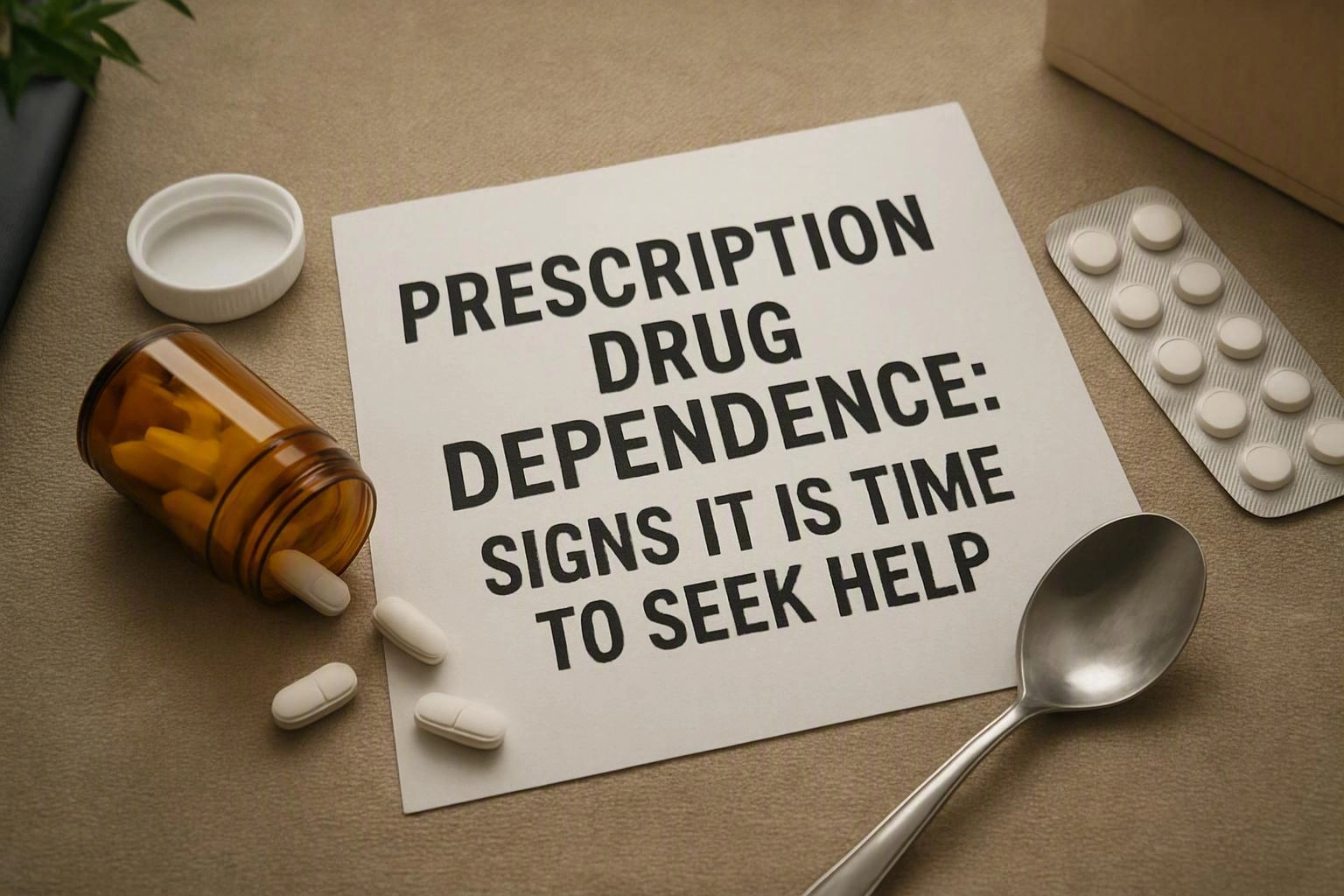
Prescription Drug Dependence: Signs It Is Time to Seek Help
Prescription drug addiction can cause strong urges, lost control, tolerance, and withdrawal. People may keep using the medicine despite harm. Common signs include taking pills more often or in higher doses. Other signs include seeking early refills, using someone else’s medicine, and hiding use. Missed duties, mood changes, and health problems may also appear. A person can develop addiction even after starting with a valid prescription. Medical assessment can tell the difference between dependence, addiction, and expected treatment effects. Prescription drug dependence treatment may include supervised withdrawal, medication-assisted care, counseling, family support, relapse planning, and ongoing recovery services. Seek urgent help for slow breathing, unconsciousness, seizures, or a suspected overdose. At Steps Deaddiction & Mental Health Services, we offer confidential assessments and recovery support without judgment.
Contact Us TodayWritten by Prasanta Dash, Founder & Managing Trustee · 10 years of local experience
Prescription drug dependence is treated through careful assessment and structured rehabilitation support. The goal isn't to label or shame anyone. It is to understand the medicine use, check immediate risks, and connect the person with safe care.
If you're searching for Drug treatment centers near me, choose a service that reviews medication history and mental health needs. It should also check whether withdrawal could be unsafe. An Addiction rehab Centre may offer assessment, stabilization, counseling, and continuing care. Good treatment isn't the same for everyone.
People often search for Drug treatment centers near me in Bhubaneswar when they need private help nearby. Wherever care begins, an honest talk with a qualified clinician is the first step.
Reviewed for educational use by Prasanta Dash.
What Are the Signs and Symptoms of Prescription Drug Addiction?
Prescription drug addiction means using medicine compulsively despite physical, emotional, or social harm. Signs include taking larger doses, using pills more often, seeking early refills, and hiding use. Some people get prescriptions from several sources. They may neglect daily duties, develop tolerance, or have withdrawal after stopping.
These signs of prescription drug addiction can develop slowly. Prescription pill abuse may involve prescribed medicine or pills bought from someone else. It may also involve getting medicine through doctor shopping. The drug class matters, but the use pattern matters most.
One symptom alone doesn't prove a substance use disorder. A medical review can separate side effects, physical dependence, and addiction.
How Can You Tell if You Are Addicted to Prescription Drugs?
Prescription drug addiction becomes more likely when cravings and harmful use outweigh the medicine’s original purpose. Ask whether you take medicine differently than prescribed. Also consider whether you can't cut down or spend much time obtaining pills. Continued use despite health, work, money, or relationship problems is another warning sign.
A useful self-assessment focuses on patterns, not guilt. Do you think about your next dose throughout the day? Do you feel anxious when your supply gets low? Have you hidden use, taken someone else’s medicine, or used pills to manage feelings?
Doctor shopping, early refills, and changing pharmacies may show a loss of control. This is especially true when these actions hide the medicine use. Other problems may be easy to miss. They include poor focus, missed plans, unsafe driving, conflict at home, or needing medicine before normal tasks.
Dependence and addiction aren't the same. Regular medical use can cause physical dependence without compulsive behaviour. A confidential assessment can review the dose, length of use, purpose, cravings, risks, and effects before care is advised.
Why Does Prescription Drug Dependence Develop?
Prescription drug dependence can develop through medicine effects, repeated use, personal risk, and ongoing stress. Long-term treatment and rising tolerance can play a role. Untreated pain, anxiety, trauma, mental health conditions, and past substance use may also increase risk. Some people use medicine to cope without medical guidance.
Common causes and contributing factors include:
Prescription opioids can create a serious overdose risk. Benzodiazepines need especially careful withdrawal planning. Stimulant medicines also need review for misuse, poor sleep, mood effects, and withdrawal. The related guide When Addiction and Mental Health Problems Happen Together explains why both concerns need attention.
When Is Prescription Drug Use an Emergency?
A prescription drug overdose is an emergency when someone has slow or stopped breathing, blue or gray lips, extreme sleepiness, confusion, collapse, unconsciousness, or seizures. Call local emergency services at once. Don't leave the person alone. Don't make them vomit or take more medicine.
Respiratory depression can worsen quickly. The risk is higher when opioids are mixed with alcohol, benzodiazepines, sleep medicines, or other sedatives. If naloxone is available, use it as directed when opioid overdose is suspected. Stay with the person and follow the emergency dispatcher’s instructions. Place them on their side if they're breathing.
Don't assume snoring means someone is safe. Unconsciousness, seizures, severe confusion, or trouble waking the person require emergency care. Give responders the medicine containers or suspected substances, if it's safe.
What Does Prescription Drug Dependence Treatment Involve?
Prescription drug dependence treatment starts with a clinical review. Clinicians check the medicine, dose, length of use, withdrawal risk, physical health, and mental health. A rehabilitation center may provide supervised withdrawal, medicine support, behavioral therapy, family help, relapse planning, and continuing care.
Care should focus on safety instead of an abrupt stop. Clinicians review the medicine type, dose, length of use, and other substances. They also check medical conditions, overdose history, past withdrawal, and mental health needs. Benzodiazepines and some other medicines may need a slow, monitored reduction. The guide Do You Need Detox Before Rehab? Understanding Withdrawal Safety explains why detox decisions should come from clinicians.
The treatment setting depends on risk and stability. Outpatient care may suit someone who is medically stable and has a safe home. The person must also attend visits and have reliable support. Residential care may help when home life is unsafe, daily functioning is poor, or cravings are hard to manage. Medically supervised care is more suitable after an overdose risk, severe withdrawal, or serious health concern.
Plans may include medication-assisted treatment when appropriate, addiction counseling, behavioral therapy, trauma-informed care, and sleep or pain support. Treatment may also address anxiety, depression, or other conditions. Family support can improve treatment involvement while respecting privacy and choice.
Relapse prevention should be practical and specific. It may cover triggers, medicine storage, prescriber communication, cravings, coping skills, and overdose education. It should also explain warning signs and steps to take after a lapse. Continuing care may include reviews, peer support, family support, counseling, and communication between providers.
Supervised withdrawal plans are personal and may last several days to several weeks. Counseling and recovery support often continue for months. The timeframe depends on the medicine, dose, health, withdrawal history, and progress. It isn't set by a fixed program length.
| Care consideration | What clinicians review |
|---|---|
| Outpatient support | Medical stability, safe housing, reliable attendance, and manageable withdrawal risk |
| Residential support | Home stability, daily functioning, cravings, supervision needs, and relapse risk |
| Medically supervised care | Overdose risk, serious health concerns, severe withdrawal, and previous complicated withdrawal |
Our team can explain confidential intake, medicine safety planning, counseling choices, and continuing-care support. You can ask about these options before choosing a care level.
How Can Prescription Pill Abuse Be Prevented?
Prescription pill abuse can be reduced with clear instructions and regular follow-up. Safe storage, no sharing, and proper disposal of unused medicine also help. Discuss cravings or dose changes early. People at risk of dependence may need support for pain, sleep, anxiety, or mood.
Practical prevention steps include:
Prescriber monitoring works best when all providers share an updated medicine list. Prevention isn't only about willpower. Safer systems, honest communication, and timely help matter too.
How Can Families Support Someone Who Needs Addiction Help?
Families can support recovery by discussing clear changes without blame. They can encourage a confidential assessment, help arrange treatment, and limit access to unsafe medicine. Clear boundaries matter too. Family counseling can help relatives manage denial, withdrawal, relapse risk, overdose concerns, and continuing care.
Choose a calm time and describe what you've seen. Say, “I noticed early refills and missed work,” instead of making accusations. Ask what the person is experiencing and listen without arguing. Offer one clear next step, such as contacting an assessment service together.
Families shouldn't secretly change doses or manage high-risk withdrawal alone. They can gather medicine details, remove unsafe supplies when a clinician advises it, and keep emergency contacts ready. Ask providers how to respond to overdose warning signs.
Boundaries may include not lending money for pills or covering missed duties. They may also include not allowing unsafe behaviour at home. These limits can still be caring and consistent. Addiction counseling for relatives can address stress, communication, privacy, and self-care.
Continuing care may include therapy, medical reviews, peer support, family meetings, and a plan for cravings or renewed use. Recovery is safer when patients and families know whom to contact before a crisis.
Questions About Rehabilitation Center
What Are the First Signs of Prescription Drug Addiction?
Early signs may include taking medicine differently than prescribed, cravings, secrecy, early refills, using another person’s pills, and trouble cutting down. Changes in sleep, mood, money, work, or relationships can also signal a growing problem.
Can You Be Addicted to Prescription Drugs if They Were Prescribed by a Doctor?
Yes. A valid prescription doesn't remove the risk of addiction. Addiction is more likely with compulsive use, cravings, lost control, rising use, or continued use despite harm. Physical dependence alone doesn't always mean addiction.
How Long Does Prescription Drug Dependence Treatment Take?
The timeframe depends on the medicine, dose, length of use, health, withdrawal history, and treatment setting. Supervised withdrawal may take days or weeks. Therapy, relapse prevention, and continuing care may last months or longer.
What Is the Difference Between Prescription Drug Dependence and Addiction?
Dependence means the body has adapted and may develop tolerance or withdrawal. Addiction involves compulsive use, lost control, cravings, and continued use despite harm. Someone can be dependent without having an addiction, so clinical assessment matters.
What Should I Do if I Think a Family Member Is Abusing Prescription Pills?
Discuss specific observations calmly and encourage a confidential assessment. Offer help with arranging care. Don't change medicine suddenly or manage dangerous withdrawal alone. If the person is unconscious, having seizures, or breathing slowly, call emergency services immediately.
Take the Next Safe Step
A private assessment can clarify the concern. It may involve expected medicine dependence, prescription misuse, or a substance use disorder. Contact our team to discuss medical safety, withdrawal planning, counseling, family support, and continuing care.
Related Resources
Affordable vs Premium Rehab.
affordable vs luxury rehab centre Bhubaneswar
How It WorksNeed Rehab Quickly? How to Arrange an Urgent Assessment
urgent rehab admission Bhubaneswar
Types & CategoriesTherapies and Treatment Methods Used in Addiction Rehabilitation
Why It MattersHow Addiction Rehabilitation Supports Recovery and Long-Term Change
benefits of addiction rehabilitation