Therapies and Treatment Methods in Addiction Rehabilitation
Addiction rehabilitation may include behavioral therapy, counselling, medication-assisted treatment, peer support, yoga, and meditation. CBT helps change harmful thought patterns, while motivational interviewing builds readiness for change. Individual and group counselling support different needs. Clinicians choose treatments based on substance use, health, motivation, and recovery goals. At Steps Deaddiction & Mental Health Services, we explain treatment options and help plan practical support.
Contact Us TodayWritten by Prasanta Dash, Founder & Managing Trustee · 10 years of local experience
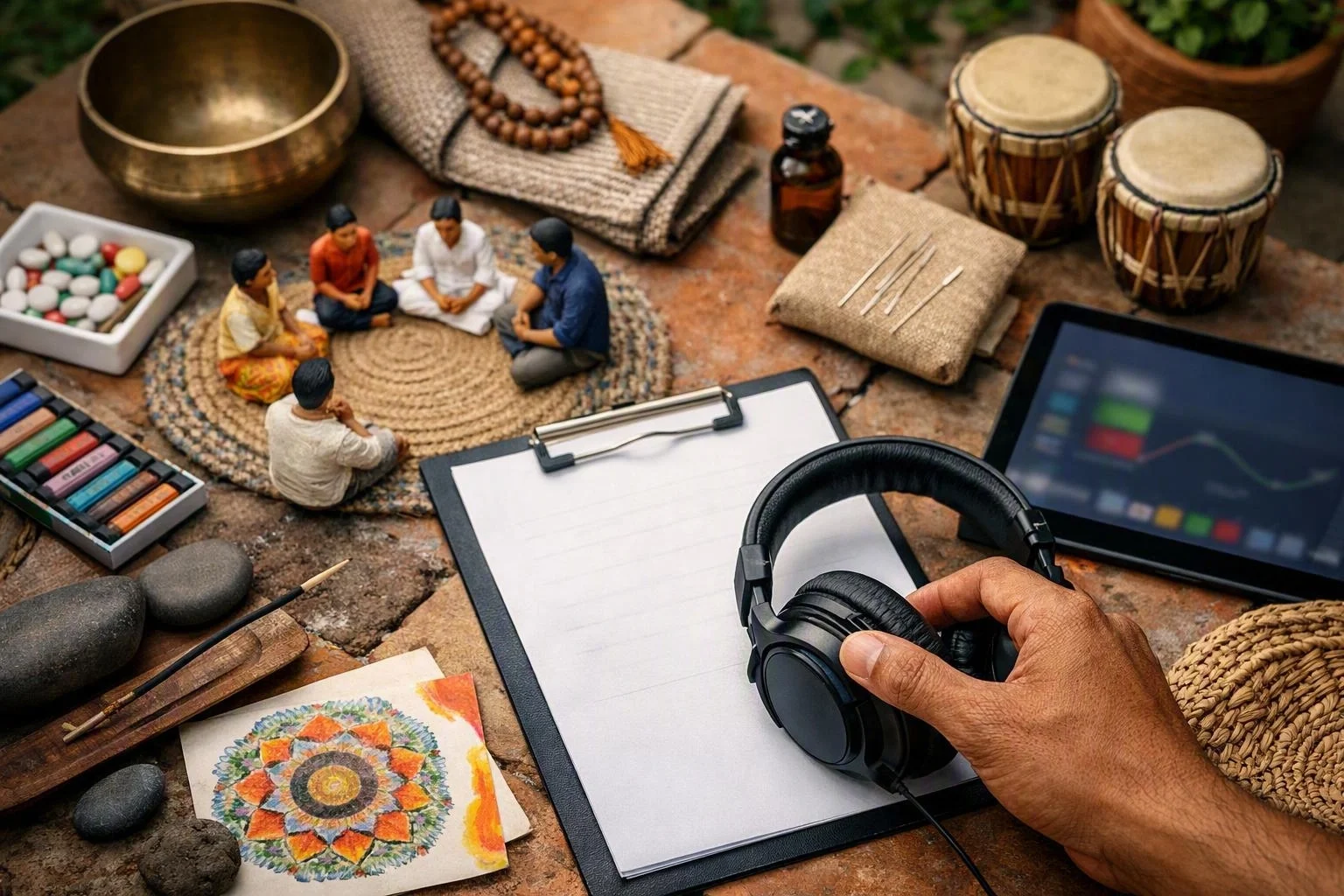
How Addiction Rehabilitation Therapies Support Recovery?
Addiction rehabilitation therapies support recovery by addressing substance use, cravings, thoughts, emotions, relationships, and relapse risks. A rehabilitation center may combine therapy, counselling, medication, peer support, and wellness practices. Treatment follows an assessment of health, mental wellbeing, motivation, and home support.
Addiction is a health condition, not a lack of willpower. Substance use disorder can affect sleep, judgment, health, family life, work, and safety. Good treatment looks beyond stopping use for a few days. It helps people understand patterns, build safer routines, repair relationships, and handle stress without harmful substances.
Care may start with withdrawal management. Stopping alcohol, opioids, prescription medicines, or other substances can create medical risks. Treatment may then include residential care, structured day services, outpatient care, and aftercare planning. Care can become less intensive as stability improves.
Therapy choices may change when anxiety, depression, trauma, family conflict, or relapse history is present. Clinicians may add trauma-informed counselling, psychiatric review, family therapy, and craving management. Emergency help is needed for overdose risk, severe withdrawal, suicidal thoughts, confusion, or another urgent concern.
Most structured programmes review progress every few weeks. The exact timing depends on symptoms, safety, goals, and response to care. Personal preferences matter, but safety comes first. The aim is a realistic, measurable, and flexible recovery plan.
Addiction Treatment Methods Compared
Addiction treatment methods differ in purpose, effort, and suitability. Behavioral therapy works on thoughts and actions. Counselling offers personal or shared support. Medication-assisted treatment may address dependence and cravings. Complementary practices can support wellbeing. Cost and effort vary by programme, supervision, length, and setting.
| Type | Key Features | Relative Cost/Effort | Best For |
|---|---|---|---|
| Behavioral therapies | CBT, motivational interviewing, coping skills, relapse prevention | Varies | Changing patterns, increasing motivation, managing triggers |
| Counselling | Individual sessions, group sessions, family involvement | Varies | Emotional support, insight, communication, accountability |
| Medication-assisted treatment | Approved medication combined with counselling and monitoring | Varies | Eligible people with opioid or alcohol use disorder |
| Complementary therapies | Yoga, meditation, breathing, stress-management practices | Lower to varies | Stress regulation, body awareness, and wellbeing alongside treatment |
| Peer and support services | Shared experience, recovery support, community connection | Lower to varies | Social support, accountability, and continuing care |
No method works the same way for everyone. Clinicians consider the substance, withdrawal symptoms, physical health, mental health, home setting, and treatment history. They also consider readiness for change. The sections below explain each approach and its limits.
Behavioral Therapies: CBT and Motivational Interviewing
Cognitive behavioral therapy, or CBT, links thoughts, feelings, choices, and substance use. It is one main answer to “What is CBT in addiction treatment?” CBT does not blame the person. Instead, it helps identify patterns that can change with practice.
A therapist may explore a recent craving or lapse. The person maps the trigger, thought, feeling, action, and result. Then they practise a safer response. They might delay a decision, leave a risky place, call support, or use grounding skills.
Common CBT skills include challenging extreme thoughts, planning for risky situations, solving problems, managing anger, and building routines. Treatment may address thoughts such as “I have failed” or “One use will not matter.” The goal is safer and more flexible action.
Motivational interviewing is a counselling method that builds readiness for change. It answers “What is motivational interviewing for addiction?” The practitioner uses open questions, careful listening, and respectful discussion. They do not argue or lecture.
This approach may help when someone feels unsure or enters treatment under pressure. It supports honest discussion about benefits, costs, values, and next steps. CBT and motivational interviewing can work together. One builds readiness, while the other teaches practical skills.
Relapse prevention carries these skills into daily life. It identifies triggers such as conflict, loneliness, pain, money, certain friends, or risky places. A written plan can list warning signs, coping skills, support contacts, emergency steps, and lapse responses. These methods offer practical goals, but regular practice is needed.
Individual and Group Counselling for Addiction
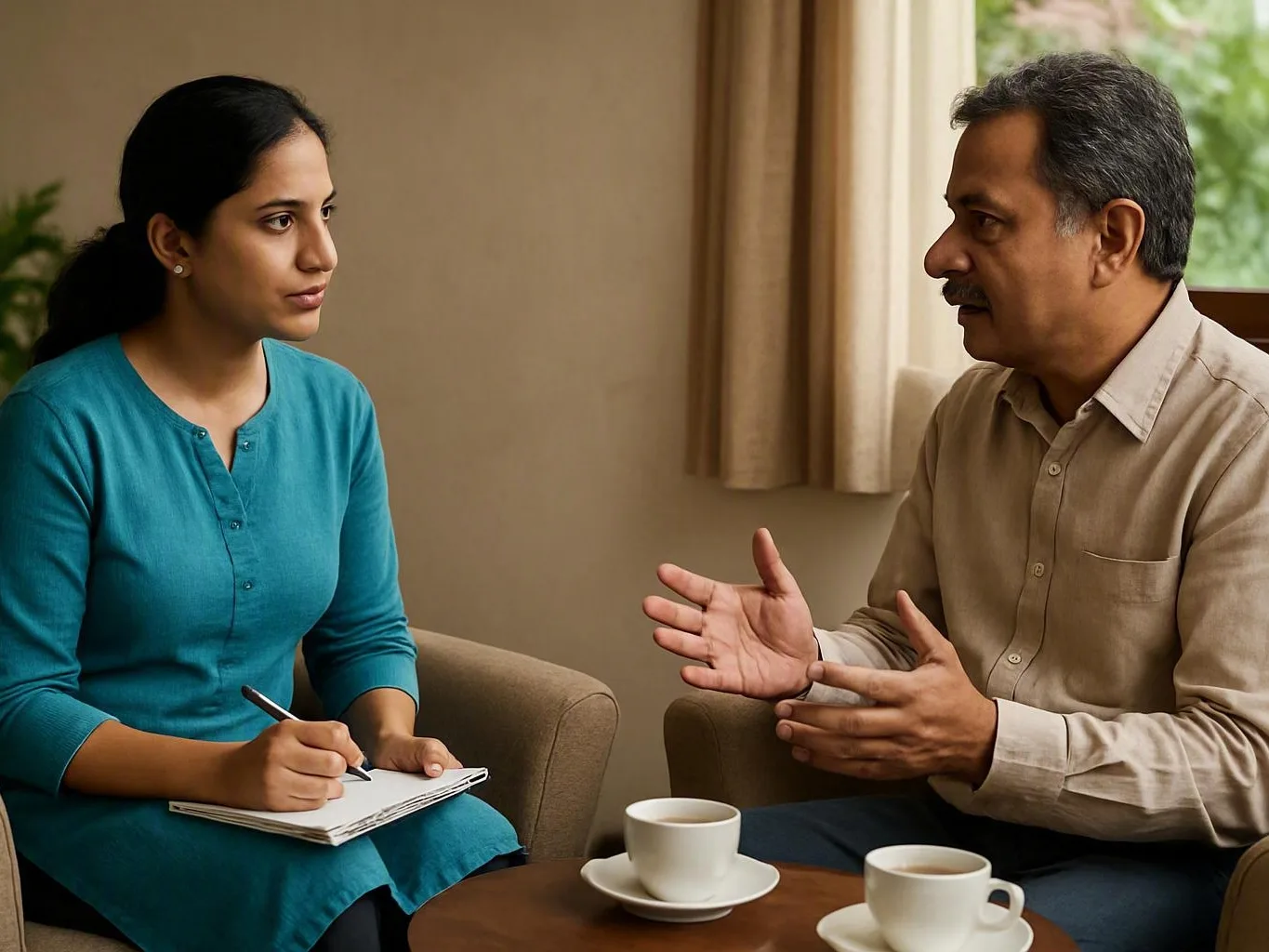
Individual counselling provides private time to discuss use, shame, trauma, cravings, relationships, and goals. The therapist can adjust the pace to the person’s needs. This may suit someone who needs focused care or has safety concerns.
Sessions may include assessment, coping plans, emotional regulation, trauma-informed work, and family discussion. Confidentiality is explained at the start. Normal limits apply when there is immediate danger or a legal safeguarding duty.
Group counselling brings people together with a trained facilitator. It can reduce isolation and build peer support. Members may discuss triggers, practise communication, and learn from each other. Group therapy also offers accountability.
Individual and group counselling have different strengths. Individual work is private and personal. Group work adds shared experience, feedback, and relationship practice. Many people benefit from both formats.
Family therapy may include relatives or trusted people when it is safe and suitable. It can address communication, boundaries, enabling behaviour, caregiving stress, and plans for returning home. Family involvement should respect consent and confidentiality.
A strong therapeutic relationship helps people feel heard and respected. Counselling can build insight, accountability, and relationship skills. It can also feel difficult and require regular appointments. People searching for Drug treatment centers near me or an Alcohol Rehab Centre should ask how services work together.
Medication-Assisted Treatment and Clinical Support
Medication-assisted treatmentor MAT, combines approved medication with counselling, education, and medical checks. It answers “What is medication-assisted treatment?” MAT may reduce withdrawal, cravings, and unsafe return to use. Qualified clinicians choose and review the medication.
For opioid use disorder, clinicians may consider buprenorphine or methadone. Some people may be assessed for extended-release naltrexone. For alcohol use disorder, options may include naltrexone, acamprosate, or disulfiram. The right choice depends on health history, current use, other medicines, pregnancy, and treatment goals.
Medication choices differ by substance. Alcohol and some sedatives can cause seizures or severe confusion during withdrawal. Medical assessment is important. Opioid withdrawal can be very uncomfortable, and overdose risk rises after tolerance falls.
Some stimulants and other substances have no approved replacement medicine. Behavioral care, sleep support, mental health treatment, and safety planning then become central. Prescription medicines also need review for dependence, interactions, and the reason for use.
Withdrawal management is only the first step. People may still need therapy, peer support, family help, housing support, and relapse prevention. Clinical care may include medication reviews, physical checks, monitoring, overdose education, and mental health support.
MAT can create steadier recovery conditions and reduce intense cravings. Possible limits include side effects, appointments, stigma, access problems, and careful tapering. Never start, stop, share, or change medication without medical advice. Emergency help is needed for breathing problems, overdose, seizures, severe confusion, or self-harm thoughts.
Our team explains choices in plain language. We adapt care when anxiety, depression, trauma, relapse, or family concerns are present. The related guide Alcohol Rehabilitation: Detox, Therapy and Long-Term Recovery Support explains how alcohol care may differ.
Yoga, Meditation, and Complementary Recovery Practices
Yoga and meditation may support body awareness, stress control, and wellbeing. They should complement, not replace, evidence-informed treatment. People should be medically stable enough for these activities. Instructors should offer gentle choices for pain, trauma, fatigue, or limited movement.
These practices may require less effort than intensive clinical care, but results vary. They work best beside counselling, medical review, peer support, and aftercare. Someone seeking Drug treatment centers near me in Bhubaneswar can ask about supervised wellness sessions.
How a Rehabilitation Center Combines Treatment Methods?
A treatment plan usually starts with a clinical assessment. It then addresses urgent risks and matches care to the person’s needs. Methods are reviewed over time, rather than used as a fixed package.
Programme intensity does not measure personal worth. It reflects safety and support needs. The guide Types of Rehabilitation Programmes: Residential, Outpatient and More may help families compare settings.
Our role is to explain options, answer questions, and connect treatment choices with recovery goals. We involve family members when consent is present. We provide clear next steps without promising.
Questions About Rehabilitation Center
What Is the Most Effective Therapy for Addiction?
There is no single therapy that works best for everyone. CBT, motivational interviewing, counselling, medication-assisted treatment, peer support, and relapse prevention may be combined. The plan depends on substance use, health, motivation, family support, and recovery goals.
How Long Does Addiction Therapy Take to Work?
Some people notice better understanding or coping within a few sessions. Lasting behaviour change often takes longer. Programmes commonly review progress every few weeks. Timing depends on safety, substance use, health, attendance, home support, and treatment response.
Can Therapy Treat Addiction Without Medication?
Therapy can treat some people without medication. Suitability depends on the substance and medical risk. Alcohol, sedative, and opioid withdrawal may need medical assessment. A qualified clinician can explain whether medication may reduce risk or cravings.
What Happens During an Addiction Rehabilitation Program?
A programme may include assessment, withdrawal management, medical review, counselling, group therapy, family work, skills training, peer support, wellness activities, discharge planning, and aftercare. Residential and outpatient care differ in supervision and daily structure.
What Should I Look for in an Addiction Treatment Center?
Look for qualified staff, clear assessment, safe withdrawal planning, personal care, mental health support, and confidentiality policies. Ask about family involvement, emergency procedures, medication reviews, and aftercare. Check how the service supports alcohol, opioids, trauma, depression, anxiety, and relapse.
What Therapies Are Used in Drug Rehabilitation?
Drug rehabilitation may use CBT, motivational interviewing, counselling, group therapy, family therapy, peer support, MAT, and relapse prevention. Yoga, meditation, and breathing exercises may support wellbeing. They should not replace clinical care.
What Is CBT in Addiction Treatment?
CBT is cognitive behavioral therapy. It helps people identify thoughts, feelings, triggers, and actions linked with substance use. It teaches coping skills, problem-solving, craving management, and relapse prevention.
What Is Motivational Interviewing for Addiction?
Motivational interviewing is a respectful, shared counselling approach. It helps people explore mixed feelings and find their reasons for reducing or stopping substance use. The practitioner listens and supports informed choices.
What Is Medication-Assisted Treatment?
Medication-assisted treatment combines selected medication with counselling, education, and monitoring. It may help eligible people with opioid or alcohol use disorder. Medication must be prescribed and reviewed by qualified clinicians.
Does Rehab Include Yoga and Meditation?
Some programmes include yoga, meditation, mindfulness, breathing exercises, or other wellness practices. These activities may support stress management, body awareness, and sleep. They should not replace medical care, counselling, medication, or emergency support.
How Do Group and Individual Counselling Differ?
Individual counselling provides private attention for personal history, trauma, cravings, and goals. Group counselling adds shared experience, peer support, feedback, and communication practice. Many people benefit from both formats.
Questions about suitable care can be discussed with a qualified member of our team. For urgent danger, overdose, severe withdrawal, seizures, breathing problems, or thoughts of self-harm, seek emergency medical help immediately.
Author: Prasanta Dash
Related Resources
Affordable vs Premium Rehab.
affordable vs luxury rehab centre Bhubaneswar
How to HireHow to Choose an Alcohol Rehabilitation Centre
alcohol rehabilitation centre Bhubaneswar
How It WorksNeed Rehab Quickly? How to Arrange an Urgent Assessment
urgent rehab admission Bhubaneswar
When You Need ItSigns That Drinking May Require Alcohol Rehabilitation
signs of alcohol addiction