Withdrawal Risk Assessment
A clinical history checks drinking patterns, past withdrawal, medicines, and warning signs. The result guides safe referral and treatment fit.
Personalised alcohol recovery plans support safer detox, counselling, and relapse prevention. Warm, humid weather and seasonal storms can affect routines, so care plans stay practical.
We discuss withdrawal risks before setting a treatment plan.
Psychotherapy addresses drinking triggers, stress, and harmful thought patterns.
Family counselling helps relatives respond without blame or unsafe pressure.
Residential care can add structure when home routines keep breaking down.
Coverage guidance includes families within 50 km of Bhubaneswar.
Seasonal travel concerns can shape follow-up and relapse plans.
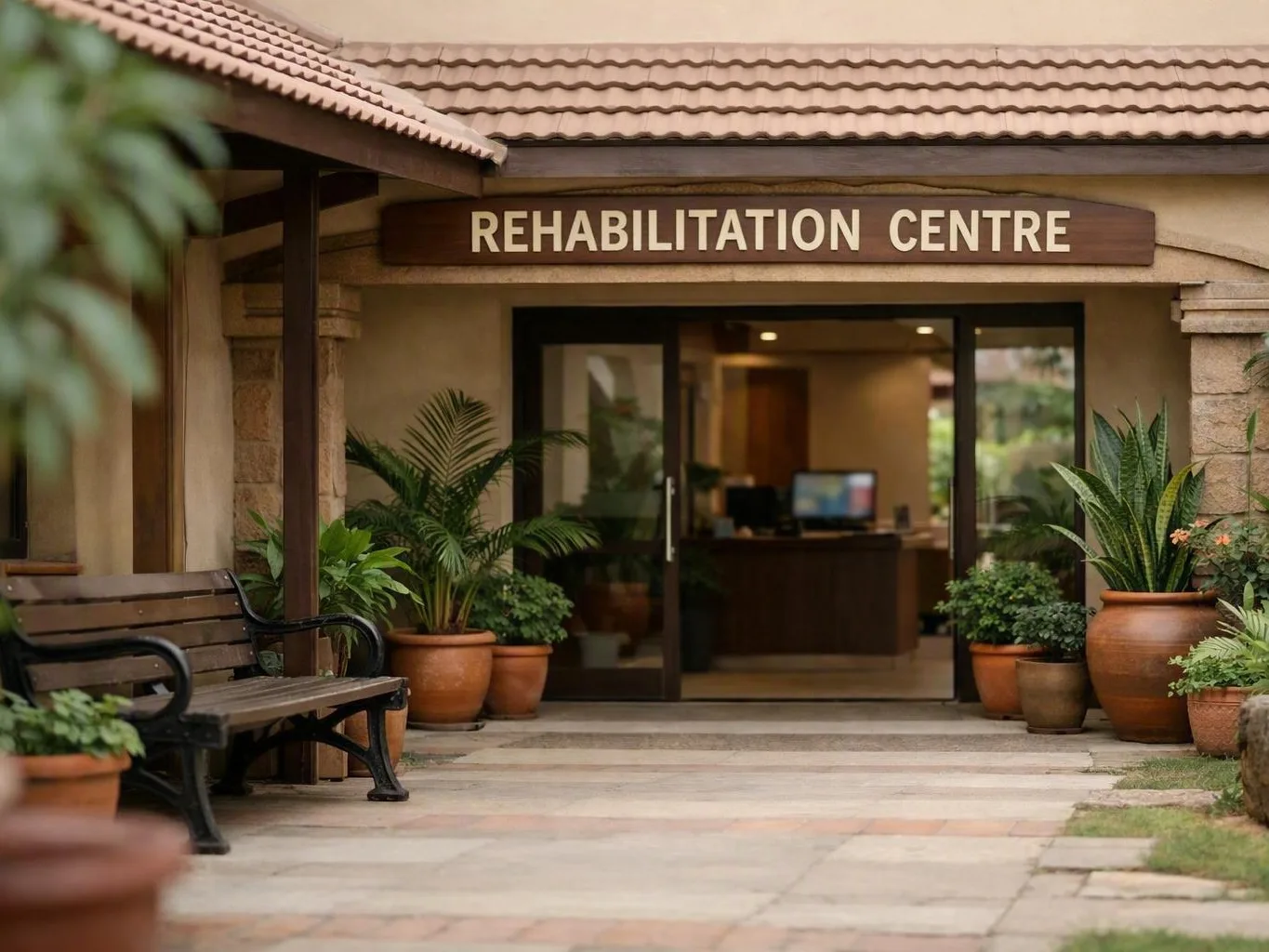
Alcohol Rehab Centre is a healthcare service that supports alcohol dependence through assessment, treatment planning, and recovery care.
According to National Drug Dependence Treatment Centre, All India Institute of Medical Sciences (AIIMS), New Delhi (2019), an estimated 14.6% of Indians aged 10–75 years, or about 160 million people, were current alcohol users in the national survey.
Source: National Drug Dependence Treatment Centre, All India Institute of Medical Sciences (AIIMS), New Delhi·Year: 2019
Data from National Drug Dependence Treatment Centre, All India Institute of Medical Sciences (AIIMS), New Delhi (2019) shows that about 19% of current alcohol users in India were estimated to be dependent on alcohol, equal to approximately 29 million people.

Our Alcohol Rehab Centre services are available throughout Bhubaneswar. Alcohol Rehab Centre care combines medical guidance, counselling, psychiatric input, and family education. The goal is to lower unsafe withdrawal risk and build routines that support recovery after structured treatment. Care needs can differ between central areas and the outer service radius. Families near Acharya Vihar may face work and transport demands. People near Khandagiri or Kolathia Square may need more planning for regular visits. Humidity and summer storms can also affect attendance. A serious failure point is stopping at detox guidance without a relapse plan. Our process connects assessment, motivational interviewing, psychotherapy, family counselling, and follow-up. This lets us address the next risk before discharge.
A clinical history checks drinking patterns, past withdrawal, medicines, and warning signs. The result guides safe referral and treatment fit.
Motivational interviewing explores readiness without blame. The client leaves with a goal tied to personal reasons for change.
Detox guidance tracks withdrawal and supports medical referral when symptoms become severe. This step reduces unsafe home stopping.
Cognitive behavioural therapy links thoughts, triggers, and drinking actions. Clients practise responses that support sobriety during stress.
A written aftercare plan covers family support, counselling, warning signs, and coping steps. This keeps recovery work active after structured care.
Steps Deaddiction & Mental Health Services holds every Alcohol Rehab Centre engagement to the same standard—from first enquiry through completed work. Here is what guides our process.
Every Alcohol Rehab Centre case is reviewed against our own checks before sign-off, so you receive exactly what was agreed.
Clear documentation at every stage—what we reviewed, what we found, and what happens next.
Dedicated communication throughout the process—from your first enquiry to completed Alcohol Rehab Centre.
These details help the care team understand risk, suitability, and the support a family can provide.
The first assessment records alcohol use, withdrawal history, health concerns, medicines, family support, and treatment goals.
The assessment does not replace emergency care for seizures, confusion, or hallucinations.
Relapse prevention works best when families plan for triggers before treatment ends.
Family psychoeducation gives practical support without blame.
Alcohol Rehab Centre care supports alcohol dependence through assessment, detox guidance, counselling, and relapse prevention.



Get same-day booking or priority scheduling for an alcohol assessment. The assessment finds withdrawal risks and builds a local follow-up plan.
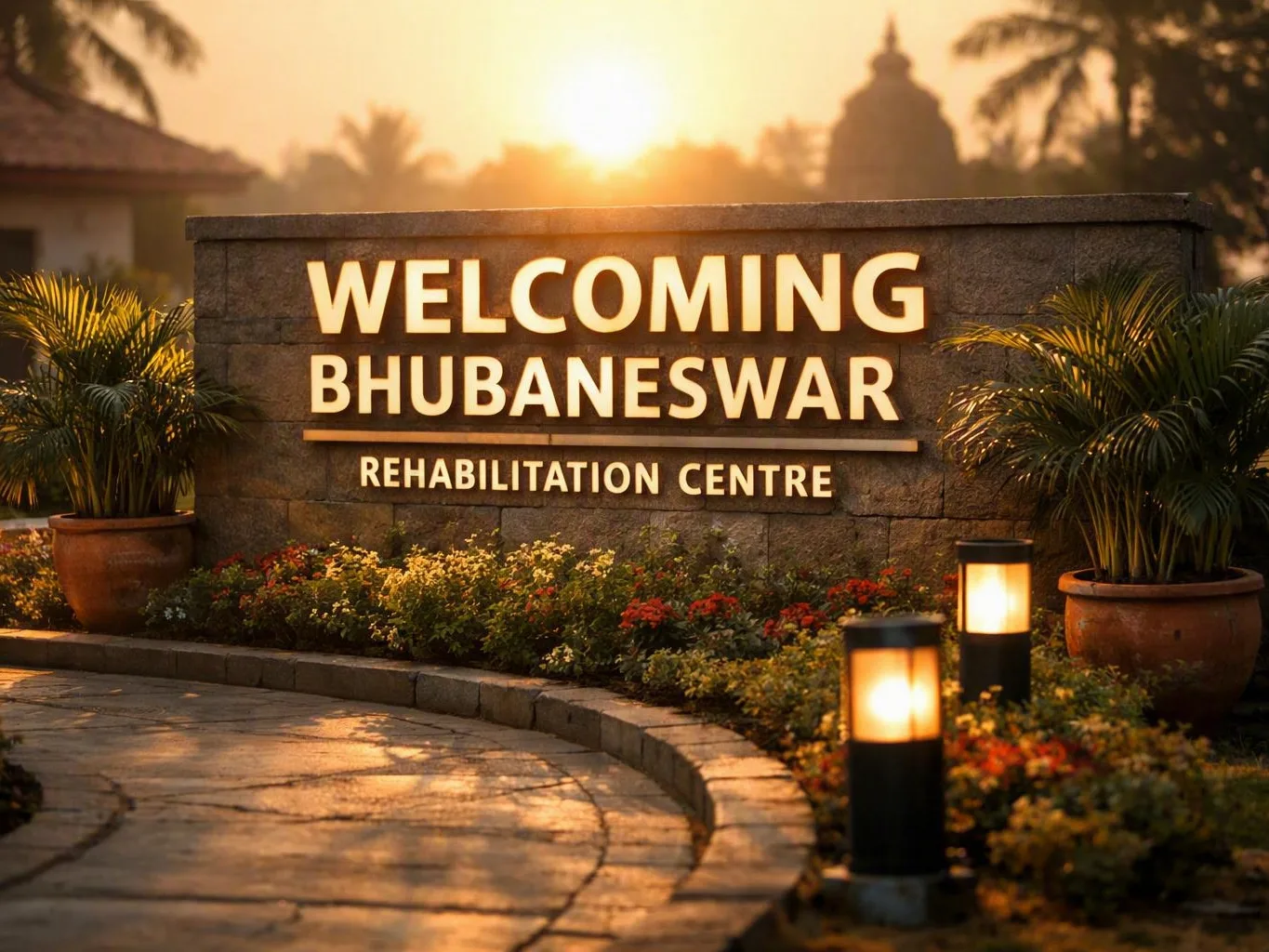
Bhubaneswar, Odisha

A person in Bhubaneswar, Odisha relapses after a past provider gave brief advice, and a family deadline nears. The first step is an urgent safety check, not sudden alcohol withdrawal at home. We review recent drinking, past withdrawal, health concerns, and treatment fit. We then outline detox guidance, counselling, and follow-up.
Limited family time and fear of judgment can make a first visit hard in Bhubaneswar, Odisha. The consultation starts with the person’s goal, such as stopping morning drinking or rebuilding family trust. We explain the assessment and ask about withdrawal history. We check whether psychiatric input, residential care, or outpatient follow-up fits. Families learn which information matters next.
A family comparing alcohol programmes in Bhubaneswar, Odisha may want clear facts before choosing treatment. The discussion covers assessment, detox guidance, counselling, aftercare, and relapse prevention. We explain follow-up needs before treatment planning begins. This helps the family judge fit without vague promises.
The health and wellness information on this website is for general informational purposes only and is not medical advice. It does not create a provider-patient relationship. Always consult a qualified licensed provider about your specific condition before making care decisions. Individual results vary.
94375 41619