How Long Does Addiction Rehabilitation Take in Bhubaneswar?
Drug rehabilitation in Bhubaneswar can take several weeks or several months. The right length depends on substance use, withdrawal risk, physical health, mental health, and treatment progress. Detox may last several days. Residential rehabilitation often lasts 30, 60, or 90 days, or longer when needed. Alcohol rehabilitation follows a similar personal plan. Steps Deaddiction & Mental Health Services assesses each person before suggesting a safe duration. Care may include counselling, medical checks, relapse-prevention planning, and aftercare. Author: Prasanta Dash.
Contact Us TodayWritten by Prasanta Dash, Founder & Managing Trustee · 10 years of local experience
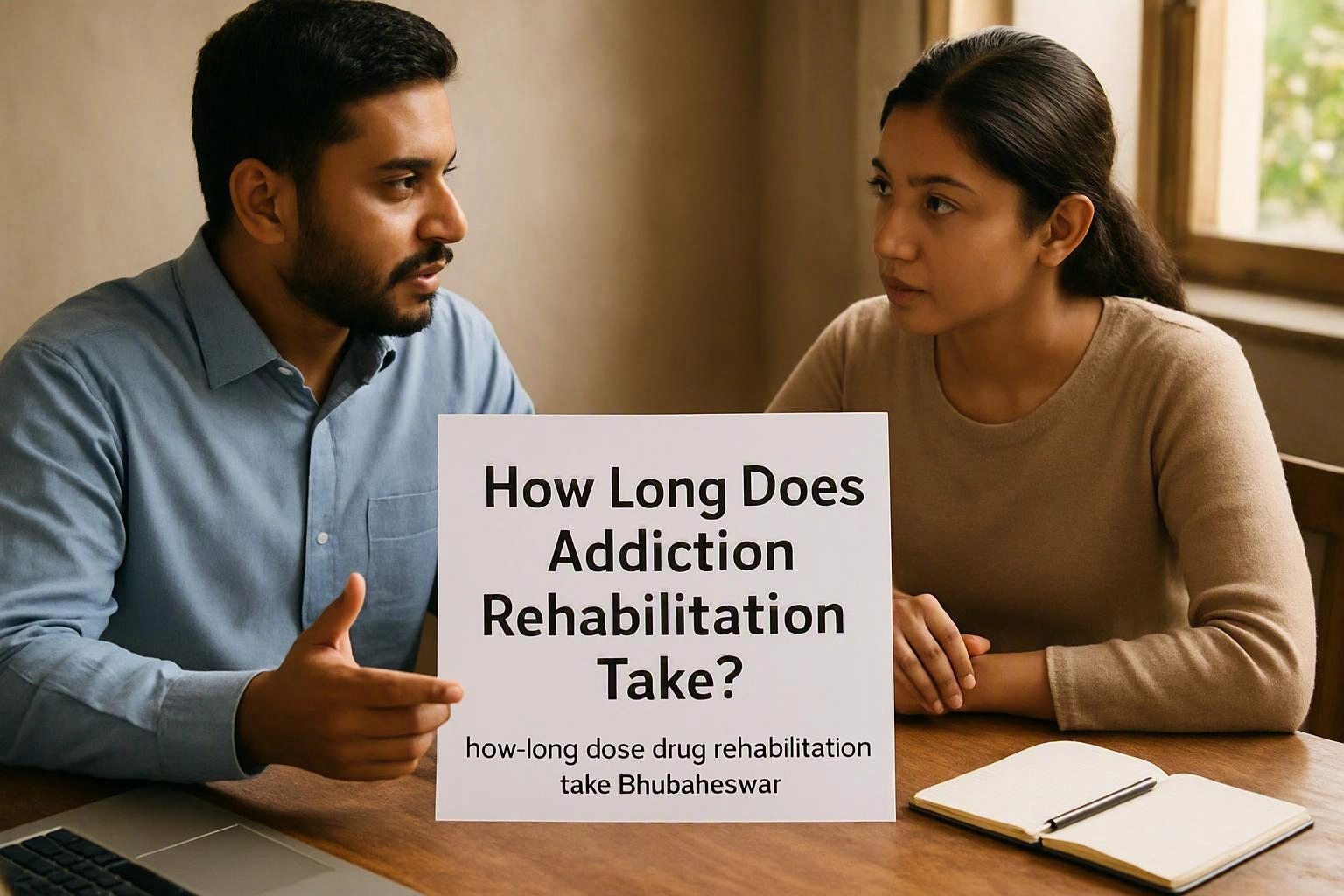
How Long Does Drug or Alcohol Rehabilitation Take in Bhubaneswar?
Drug and alcohol rehabilitation in Bhubaneswar can take several weeks to several months. The length depends on substance use, withdrawal risk, mental health, support needs, and treatment progress. A rehabilitation centre may begin with an assessment and detox. Treatment can then include residential care, counselling, relapse prevention, and aftercare.
There is no safe, fixed answer to “how long does drug rehabilitation take?” Someone with recent or mild substance use may need a shorter plan. Long-term dependence, unsafe withdrawal, physical illness, or past relapse may call for longer care.
The process usually starts with assessment and intake. Our team reviews substance use, medicines, sleep, nutrition, medical risks, cravings, family life, and recovery goals. This review helps us choose residential treatment, medical referral, or outpatient support.
Drug rehabilitation may include withdrawal care, individual counselling, family therapy, group work, health education, and daily relapse-prevention practice. Alcohol rehabilitation uses a similar structure. However, alcohol withdrawal can become serious and needs close medical monitoring.
Families in Bhubaneswar can often support recovery because local travel makes visits and counselling easier. They can also help with discharge planning and aftercare. Still, the plan must consider substance access, family conflict, and limited supervision at home.
Seasonal conditions matter too. Monsoon travel can affect appointments and family visits. Hot weather can affect comfort, hydration, and health. We can plan visits and transition support around these issues while keeping safety first.
A Drug rehab centre in Bhubaneswar may suggest stages instead of promising a fixed number of days. The plan can change as withdrawal settles, participation improves, and recovery becomes more stable.
How Long Is Detox?
Medical detoxification commonly takes several days. The exact time depends on the substance, dose, length of use, health, and withdrawal symptoms. Detox is the first step in withdrawal care and stabilisation. It is not the full recovery programme.
Drug withdrawal may cause anxiety, sweating, poor sleep, nausea, pain, agitation, low mood, or strong cravings. Some substances may cause confusion, seizures, or other serious problems. The care team checks symptoms and changes the plan when needed.
Alcohol withdrawal needs special care. Symptoms may begin within hours of the last drink. They can become worse over the next few days. Severe withdrawal may cause seizures, hallucinations, or delirium. A person should not stop suddenly alone when dependence is suspected.
During detoxification, staff may check alertness, pulse, blood pressure, hydration, sleep, nutrition, mood, and withdrawal symptoms. Doctors may suggest medicines or hospital care when risks exceed the centre’s safe limits.
Cravings and sleep problems may continue after the first stage. A safe plan should move from detox into counselling, structured treatment, family support, and relapse prevention. Detox alone is not a complete cure.
How Long Should Someone Stay in Residential Rehab?
Residential rehabilitation often lasts 30, 60, or 90 days. Some people need less time, while others need longer care. The right stay allows physical recovery, coping skills, lower relapse risk, and safe planning for home.
Inpatient rehabilitation offers a daily routine away from alcohol, drugs, and familiar triggers. A normal day may include medical reviews, meals, rest, counselling, group sessions, safe exercise, family work, and planning for high-risk situations.
A 30-day stay may suit someone who completes detox safely and takes part in treatment. It may also suit someone with a stable home. A 60-day programme gives more time to practise emotional control, improve family communication, and manage cravings. A 90-day or longer stay may help with severe dependence, repeated relapse, mental health conditions, or limited home supervision.
Residential treatment should not be decided by calendar dates alone. Our team reviews sleep, mood, participation, medicines, trigger awareness, and recovery stability. We also check whether the person can follow a written safety plan.
For Bhubaneswar families, a nearby centre can make visits and family therapy easier. Yet a nearby home is not always a safe home. Easy access to substances, high conflict, or poor supervision may call for longer live-in care.
An Alcohol rehabilitation centre Bhubaneswar may use a similar inpatient plan. Staff will also focus on alcohol withdrawal, liver or other health concerns, drinking triggers, and support after discharge.
Typical Addiction Rehabilitation Timelines
Addiction rehabilitation timelines differ from person to person. A simpler plan may include assessment, short detox, and focused counselling. An average plan may include several weeks of residential care. A complex plan may need longer treatment for severe dependence, repeated relapse, health risks, or mental health conditions.
| Treatment pathway | Typical duration range | Common components |
|---|---|---|
| Simple | About 1–4 weeks | Assessment, short detox when needed, focused counselling, and early aftercare |
| Average | About 30–90 days | Residential care, counselling, family work, skills practice, and discharge planning |
| Complex | 90 days or longer when clinically appropriate | Extended inpatient care, medical coordination, mental health treatment, and intensive continuing care |
These ranges are examples, not promises or fixed rules. Detox may take only part of the treatment. Residential care depends on recovery progress and safety at home.
Local care planning also matters. We assess whether someone needs residential treatment, medical referral, or outpatient support. Bhubaneswar travel, monsoon delays, heat, family availability, and the home environment can affect the treatment timeline.
What Factors Can Shorten or Extend the Rehabilitation Timeline?
Treatment time can change as a person’s needs change. Substance dependence, withdrawal risk, health problems, mental health symptoms, relapse history, and home support all matter. Stable health and regular participation may support faster progress. Complex withdrawal, repeated relapse, or poor support may require longer residential care.
Our team also considers Bhubaneswar’s seasonal conditions. Heavy monsoon rain may make visits and travel harder. Remote planning or changed appointment times may help. During hot weather, staff should consider hydration, rest, and comfort.
What Happens After Completing Rehab?
Aftercare planning usually starts before discharge. Recovery support should not stop when residential treatment ends. The plan may include outpatient counselling, follow-up visits, family support, peer groups, medicine reviews when needed, trigger management, and steps for cravings or relapse.
Outpatient counselling helps a person continue treatment during daily life. Sessions may cover stress, sleep, relationships, work, study, emotional control, and safer choices. Follow-up visits help the team spot warning signs early.
Relapse prevention is ongoing care, not a single lesson. A person can identify risky people, places, feelings, and times. They can practise refusal skills, keep healthy routines, and save contacts for urgent help. A lapse is a sign to seek help quickly. It does not mean recovery has failed.
Family support can make the move home safer. Family members can learn to set limits, avoid blame, support appointments, reduce conflict, and respond to cravings. Bhubaneswar families may find counselling and planned visits easier. Home safety still needs an honest review.
Recovery also needs practical planning. Travel, weather, work, study, money, sleep, and social contact can affect progress. Monsoon delays may require backup plans. Hot weather may affect comfort during appointments.
If substances remain easy to access, supervision is limited, or conflict stays high, our team may suggest more outpatient visits. Family therapy, a supervised transition, or further residential care may also help.
The goal is not simply to finish a set number of days. It is to build a steady routine, protect mental and physical health, and connect with help early. Contact our team through our contact page to discuss an assessment and appropriate next steps.
Questions About Rehabilitation Center
How Long Does Drug Rehabilitation Take?
Drug rehabilitation can take several weeks to several months. Detox, residential care, counselling, relapse prevention, health needs, relapse history, and home support affect the recommended duration.
How Long Does Alcohol Rehab Take?
Alcohol rehab may last several weeks to several months. The plan depends on alcohol dependence, withdrawal risk, health, mental health, treatment participation, family support, and home safety.
How Long Should Someone Stay in Residential Rehab?
Many residential programmes last 30, 60, or 90 days. Severe dependence, repeated relapse, health risks, mental health conditions, or an unsafe home may require longer care.
What Happens After Completing Rehab?
After rehab, continuing care may include outpatient counselling, follow-up reviews, family support, support groups, medicine reviews when needed, trigger management, and a written relapse plan.
Related Resources
Inpatient or Outpatient Rehab: Which Level of Care Is Better?
inpatient vs outpatient rehab Bhubaneswar
Compared ToDetox or Full Rehab: Understanding Which Addiction Treatment You Need
detox vs rehab Bhubaneswar
How to HireHow to Choose an Alcohol Rehabilitation Centre
alcohol rehabilitation centre Bhubaneswar
How to HireHow to Choose a Drug Rehabilitation Centre
drug rehabilitation centre Bhubaneswar