Signs That Drinking May Require Alcohol Rehabilitation
Alcohol addiction can involve poor control, strong cravings, tolerance, withdrawal, and continued drinking despite harm. Someone may need alcohol rehabilitation when drinking affects health, relationships, work, safety, or repeated efforts to stop. A rehabilitation centre can assess alcohol use disorder, manage withdrawal risks, offer counselling, and provide medical support. It can also create a plan to help prevent relapse. Severe withdrawal symptoms need urgent medical care, not unsupervised detox. These symptoms include seizures, hallucinations, confusion, and dangerous agitation.
Contact Us TodayWritten by Prasanta Dash, Founder & Managing Trustee · 10 years of local experience
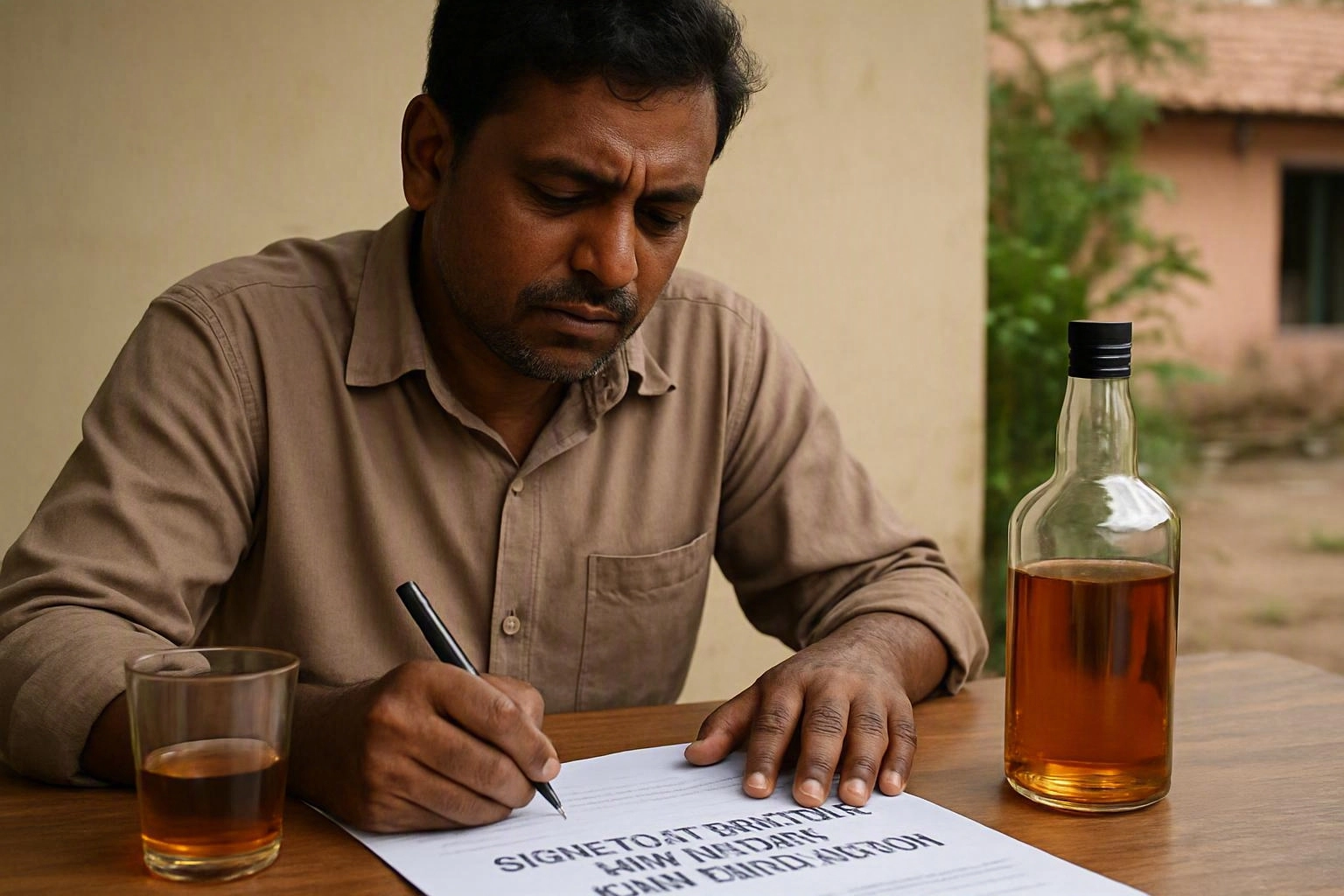
Spotting a problem early can make treatment safer and easier to manage. Alcohol rehabilitation centre Bhubaneswar in Bhubaneswar may suit people seeking assessment and structured support. The same safety rules apply wherever someone lives. The goal isn't to label or shame anyone. It's to understand the drinking pattern, find risks, and choose suitable care.
Alcohol addiction is a type of addictive disorder. Persistent harmful drinking may meet the clinical criteria for alcohol use disorder. This condition can be mild, moderate, or severe. This page explains warning signs, but it doesn't diagnose anyone.
Written for general education by Prasanta Dash.
What Are the Warning Signs of Alcohol Addiction?
Alcohol addiction means drinking becomes hard to control and continues despite harm. The harm may affect the body, emotions, relationships, work, or daily life. Warning signs include cravings, drinking more than planned, needing more alcohol, withdrawal, failed attempts to stop, and missed responsibilities.
Signs of alcohol addiction aren't always obvious. Some people keep working, caring for family, or appearing healthy. Meanwhile, they may spend more time getting alcohol, drinking, or recovering from it. The key issue is whether alcohol is reducing choice and causing repeated harm.
These signs can overlap with binge drinking, heavy drinking, depression, anxiety, medication effects, or another substance use disorder. A professional reviews drinking frequency, amount, consequences, health history, and control over use. One sign doesn't prove dependence. Several signs together deserve attention.
Alcohol dependence is a narrower form of harmful alcohol use. It involves poor control and a risk of withdrawal. It can develop after years of drinking or during a shorter period of heavy use. Early advice may prevent a crisis, especially after withdrawal symptoms appear.
How Do You Know if You Are Dependent on Alcohol?
Alcohol dependence may be present when drinking becomes central to daily life. Stopping may feel physically or mentally difficult. Alcohol use may continue despite clear problems. A person may hide drinking, plan activities around alcohol, drink in the morning, or experience withdrawal.
Notice what happens when you try to change your drinking. Do you become anxious, shaky, restless, or unable to sleep? Do you drink to feel normal, avoid discomfort, or manage emotions? Have you planned your day around alcohol or avoided people who question your drinking?
Self-assessment can help, but denial is common. It doesn't mean someone is dishonest or uncaring. Alcohol affects reward, stress, and decision-making systems. This can make future harm seem less important in the moment.
Problems may first appear as poor focus, lateness, irritability, or missed family commitments. You don't need to wait for job loss, serious illness, or a broken relationship. Speak with a doctor or qualified treatment provider for a confidential review. They can check symptoms, medicines, health conditions, mental health, and withdrawal risk.
When Are Signs You Need Alcohol Rehab?
Alcohol rehabilitation may help when drinking causes repeated harm or home attempts to stop have failed. It may also help when withdrawal creates safety concerns or disrupts daily life. Rehab can provide assessment, withdrawal planning, therapy, peer support, family help, and continuing care.
Signs you need alcohol rehab often follow a cycle. The person stops, craves alcohol, drinks again, feels regret, and relapses. The need for care is stronger after past withdrawal, daily heavy drinking, or seizures. It is also stronger when someone can't stay safe without alcohol. Family concern matters, especially when trusted people notice the same changes.
An alcohol rehabilitation centre should assess withdrawal risk before suggesting detox. Staff may ask about the last drink, usual amount, past withdrawal, health, medicines, other substances, sleep, nutrition, and mental health. The team may recommend outpatient support, supervised detoxification, residential treatment, or hospital care.
Treatment planning should include relapse history, depression, anxiety, trauma, suicidal thoughts, medical conditions, and home safety. A stable home with reliable support may suit outpatient care. An unsafe home, violence, homelessness, alcohol access, or poor supervision may make residential treatment safer.
Practical barriers should be discussed openly. Family members may help with transport, appointments, childcare, or planning. Confidentiality boundaries should remain clear. Work disruption may be reduced through staged care, leave planning, or outpatient appointments.
Treatment works best when the plan covers privacy, transport, family support, and care after discharge. For a broader guide, How to Know When You May Need Rehabilitation for Addiction compares warning signs across substances. This page focuses on alcohol safety and recovery.
When Should Someone Go to Alcohol Rehab?
Someone should choose professional alcohol rehabilitation when dependence, withdrawal risk, repeated relapse, or mental health symptoms affect safety. An unsafe home can also make self-directed recovery unreliable. A rehabilitation centre provides medical oversight, structured therapy, support, and aftercare.
Self-directed recovery isn't always unsafe, but it shouldn't test for severe dependence. A clinician can help choose gradual change, outpatient rehabilitation treatment, supervised detoxification, or residential care. Don't suddenly stop heavy or long-term drinking without medical advice.
| Factor | DIY | Professional |
|---|---|---|
| Withdrawal risk | May be missed or underestimated | Assessed and monitored with a safety plan |
| Detoxification | Usually lacks medical observation | Can include supervised detoxification or referral |
| Counselling | May rely on self-help materials | Individual, group, and family counselling may be available |
| Relapse prevention | Plan may be informal | Triggers, coping skills, support, and follow-up are planned |
| Home environment | Exposure to alcohol may continue | A structured setting can provide distance and accountability |
Many structured programmes start with an assessment. They may then include detox or stabilisation, followed by care for weeks or months. The exact timeframe depends on withdrawal risk, health, housing, work, family needs, and progress. There isn't one correct treatment length.
Professional support matters more after repeated relapse or severe anxiety and depression. It also helps people who live alone, lack transport, or can't keep alcohol out of the home. A treatment team can change the plan instead of treating relapse as personal failure.
What Happens During Alcohol Rehabilitation?
Alcohol rehabilitation usually starts with an assessment. Staff review drinking history, physical health, withdrawal risk, and mental health. Treatment may include medical detoxification, individual counselling, group counselling, family education, peer support, discharge planning, and aftercare.
During admission, staff may ask about the last drink, drinking amount, drinking frequency, previous treatment, seizures, health conditions, medicines, and other substances. They may also ask about sleep, nutrition, and safety at home. Honest answers help the team choose suitable care. An Alcohol Rehab Centre may ask what the person wants to change and what could make treatment difficult.
Detoxification is the first treatment process for safely managing substance withdrawal. It isn't the whole recovery programme. Medical staff may watch symptoms, provide suitable care, and decide if hospital treatment is needed. Detox should lead into therapy and recovery planning. Removing alcohol alone doesn't change the habits linked to drinking.
Individual therapy can explore cravings, grief, stress, trauma, shame, and decision-making. Group therapy builds peer connection and gives people practice with coping skills. Family counselling can explain addiction, improve communication, and set safe boundaries. It can also help relatives support recovery without taking control.
Aftercare often includes follow-up appointments, mutual-support options, medication reviews, sober routines, and trigger planning. It should also include emergency contacts and a quick response plan after a lapse. This continuing care is called relapse prevention. Our team can discuss privacy, work needs, transport, family involvement, and realistic appointments before discharge.
A co-occurring mental health condition needs joined-up care. Examples include depression, anxiety, trauma, or another psychological concern. Treating both problems can improve safety and make recovery plans more realistic.
When Is Alcohol Withdrawal an Emergency?
Alcohol withdrawal can become a medical emergency after heavy or long-term drinking. Seizures, hallucinations, severe confusion, fever, extreme agitation, or uncontrolled vomiting need urgent medical care. Anyone at risk shouldn't attempt sudden detox alone. A rehabilitation service or hospital can arrange supervised withdrawal management.
Alcohol withdrawal is the body's response after reducing or stopping alcohol. Early symptoms may include shaking, sweating, headache, nausea, anxiety, irritability, a fast heartbeat, and poor sleep. Symptoms can worsen after the last drink. Past withdrawal doesn't reliably predict how severe the next episode will be.
Seizures, hallucinations, severe confusion, dangerous agitation, collapse, chest pain, and breathing problems are urgent warning signs. Severe dehydration and ongoing vomiting also need emergency care. Delirium tremens is a severe withdrawal state. It can cause confusion, agitation, fever, sweating, and hallucinations.
Don't leave a severely unwell person alone. Don't give alcohol or unapproved medicines as home treatment. Contact local emergency services or go to the nearest emergency department. If symptoms are milder but dependence is possible, seek prompt advice about supervised detox.
A clinical team can track changing symptoms and arrange a safer move into counselling and recovery support. For concerns across substances, Warning Signs That Drug Use May Need Professional Treatment offers broader context. Alcohol withdrawal remains especially important because sudden stopping can be dangerous.
Questions About Rehabilitation Center
What Are the First Signs of Alcohol Addiction?
Early signs may include drinking more or longer than planned, frequent cravings, growing tolerance, hidden drinking, and trouble keeping promises to cut down. Missed duties, drinking to manage emotions, or continued drinking after problems may also signal a developing disorder.
What Are the Symptoms of Alcohol Addiction?
Symptoms can include poor control, cravings, tolerance, alcohol withdrawal, failed attempts to quit, risky drinking, neglected duties, and relationship problems. Continued use despite health or emotional harm is another sign. A professional reviews symptom number and severity when assessing alcohol use disorder.
How Do You Know if You Are an Alcoholic?
The term “alcoholic” isn't needed for a useful assessment. Consider whether alcohol is hard to control, causes withdrawal, or takes priority over responsibilities. Continued drinking despite harm is also important. A doctor or treatment professional can review your drinking without shame or labels.
What Are the Signs You Need Alcohol Rehab?
Signs include failed attempts to quit, relapse, withdrawal risk, serious health or relationship harm, unsafe drinking, and family concern. Mental health symptoms or an unstable, alcohol-filled home also matter. Professional care can provide assessment, treatment, counselling, and aftercare.
Take the Next Safe Step
You don't need to wait for a crisis before asking for help. We can discuss drinking patterns, withdrawal concerns, privacy, family involvement, transport, and work needs. We can also explain suitable continuing care. Contact emergency medical services at once if emergency withdrawal symptoms appear.
Related Resources
Inpatient or Outpatient Rehab: Which Level of Care Is Better?
inpatient vs outpatient rehab Bhubaneswar
Compared ToDetox or Full Rehab: Understanding Which Addiction Treatment You Need
detox vs rehab Bhubaneswar
How to HireHow to Choose an Alcohol Rehabilitation Centre
alcohol rehabilitation centre Bhubaneswar
How Long It TakesHow Long Does Addiction Rehabilitation Take?
how long does drug rehabilitation take Bhubaneswar