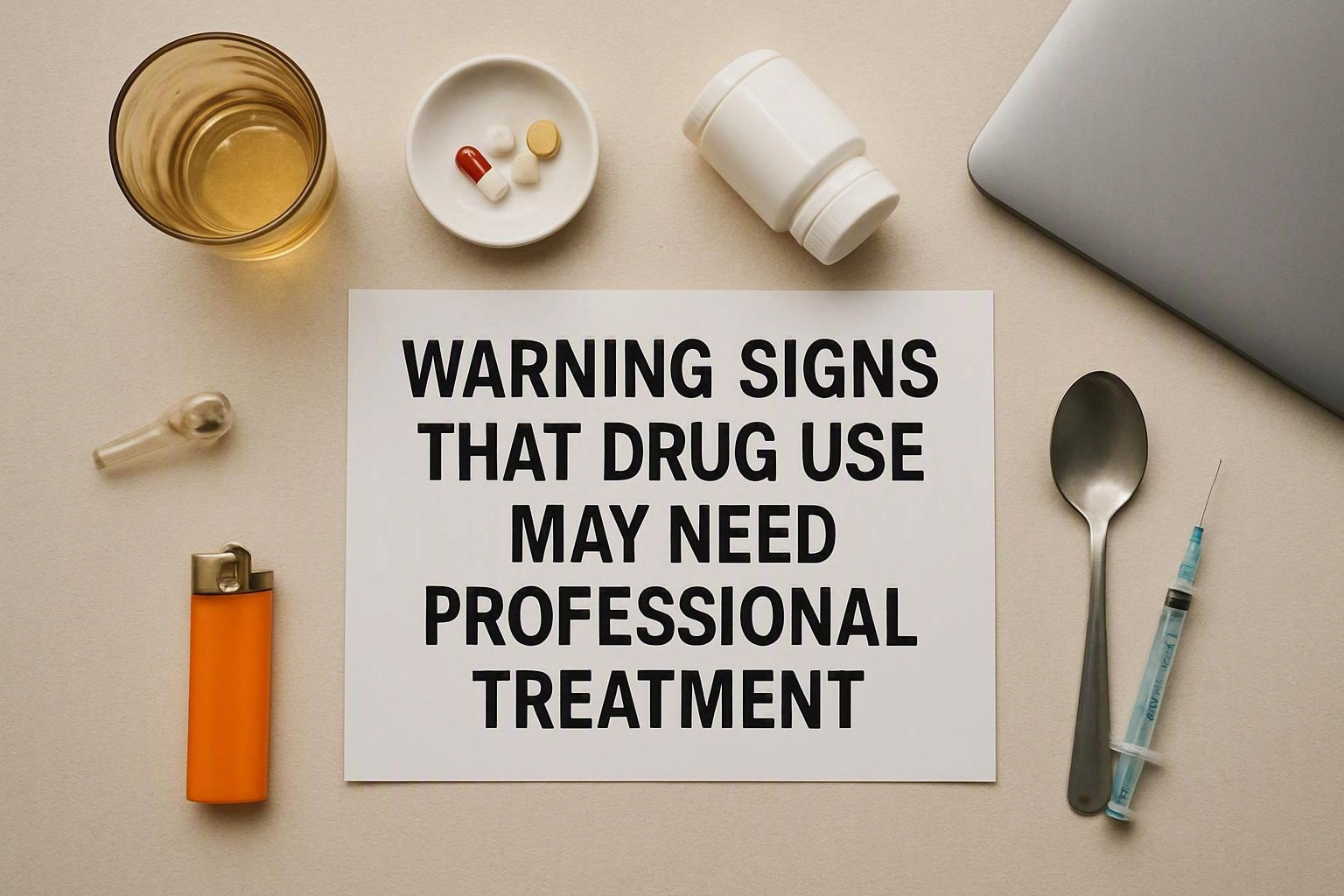
Warning Signs That Drug Use May Need Professional Treatment
Signs of drug addiction include poor control, cravings, tolerance, withdrawal, secrecy, and missed responsibilities. Health, mood, work, and relationship changes may also appear. One sign alone does not prove addiction. Drug rehab may help when drug use feels uncontrollable, withdrawal occurs, safety is at risk, or quitting attempts have failed. An addiction professional can assess the situation and suggest medical care, counseling, relapse planning, and ongoing support.
Contact Us TodayWritten by Prasanta Dash, Founder & Managing Trustee · 10 years of local experience
At Steps Deaddiction & Mental Health Services, we help people and families understand troubling changes without judgment. We also help them choose a safe next step. A rehabilitation center can adjust care based on the substance, the person’s health, dependence, withdrawal risk, and mental health needs.
Drug addiction is a health problem, not a moral failure. Early advice can lower risks, but emergencies need immediate medical care. For confidential guidance, contact a qualified treatment professional.
What Are the Common Signs of Drug Addiction?
Signs of drug addiction are lasting changes that show drug use is becoming hard to control. Common signs include strong cravings, increased tolerance, withdrawal, secrecy, missed duties, relationship problems, and risky use. Continued use despite harm is another warning sign. One sign alone does not confirm addiction.
Clinicians may call this pattern a substance use disorder. It is a health condition linked to ongoing, harmful drug use. Drug dependence can affect the body and mind. Tolerance and withdrawal may develop. These warning signs matter most when they repeat, grow stronger, or disrupt daily life.
These drug addiction symptoms can also look like depression, trauma, chronic pain, or another health problem. Medication effects may cause similar changes. Look for a lasting pattern instead of one missed appointment or unusual day. A clinical assessment is the safest way to understand the situation.
How Can You Tell if Someone Is Addicted to Drugs?
How to tell if someone is addicted to drugs involves noticing repeated changes in behaviour, health, mood, and relationships. Look for secrecy, missed work, money problems, mood swings, poor judgment, and family withdrawal. Approach the person calmly. Do not diagnose them from one symptom.
Behaviour changes may include sudden absences, unexplained spending, broken promises, and lost interest in hobbies. Physical signs may include bloodshot eyes, unusual sleep, appetite changes, poor coordination, tremors, weight changes, or poor hygiene. Signs vary by substance, dose, how it is used, and the person’s health.
Mental health changes also need attention. Anxiety, depression, irritability, fear, panic, or unusual energy may appear during drug use or withdrawal. Social withdrawal can be important, too. The person may avoid family events, close friends, or normal questions.
Family relationships often carry much of the strain. Relatives may cover missed work, lend money, manage crises, or protect children from unsafe situations. Families can set clear limits without threats or shame. Use specific examples, such as “You missed three shifts and seemed unwell,” instead of labels.
Choose a quiet, private time to talk. Ask if the person feels safe, listen without arguing, and offer help from an addiction professional. If they are unsure, avoid a confrontation that could increase danger. A family member can seek confidential advice even when the person is not ready for treatment.
Which Signs Mean You May Need Drug Rehab?
Drug rehabilitation may be needed when drug use is hard to stop, affects work or relationships, or creates health and safety risks. It may also be needed when withdrawal begins or quitting attempts fail. Professional care can help with medical detox, therapy, relapse prevention, and mental health treatment.
Failed attempts to quit do not mean recovery is impossible. They may show that more support is needed. Relapse can be linked to pain, trauma, depression, anxiety, unstable housing, or easy access to drugs. A stronger plan may include medical care, counseling, family support, peer groups, and follow-up care.
Unsafe drug use needs prompt attention. Risk rises when substances are mixed, doses are unknown, or use happens alone. Serious heart, breathing, liver, seizure, or mental health problems can add danger. Opioid dependence, stimulant use disorder, and sedative withdrawal may need different safety plans.
Medical detox may be advised when withdrawal could become severe or dangerous. Detox is only the first stage of addiction treatment. It does not treat cravings, habits, trauma, relationships, or relapse risk by itself. After stabilization, someone may need residential care, outpatient treatment, counseling, or step-down support.
Care should fit the substance, dependence level, physical health, support system, past treatment, and relapse history. A Drug Rehab Centre can explain safety, privacy, consent, family involvement, and follow-up care. People seeking a Drug rehab centre in Bhubaneswar can ask about clinical oversight and support after treatment.
DIY Recovery vs Professional Drug Treatment: What Is Safer?
Professional drug treatment offers assessment, medical oversight, counseling, structure, and follow-up care. Self-directed recovery may work for some people with clinical guidance. However, suddenly stopping certain drugs can cause dangerous withdrawal. Treatment should match the substance, dependence level, health risks, support, and relapse history.
Some people start with a doctor, peer group, or outpatient counselor. Regular monitoring may be enough for them. Others need a protected residential setting or medical detox support. The safest choice considers the person’s wishes and the risks of stopping suddenly.
| Factor | DIY | Professional |
|---|---|---|
| Assessment | Self-observation may miss medical or mental health risks. | A clinician reviews drug use, health, safety, and treatment needs. |
| Withdrawal | Symptoms may be hard to predict or manage alone. | Medical supervision and detox support can be arranged when needed. |
| Daily structure | The person must build routines while facing triggers. | Residential or outpatient schedules provide planned support. |
| Counseling | Friends or online resources may offer encouragement. | Addiction counseling can address thoughts, behaviour, trauma, and relationships. |
| Relapse prevention | Triggers may be noticed only after a setback. | A planned process identifies triggers and builds coping skills before discharge. |
| Continuing care | Follow-up depends on personal planning. | Counseling, peer support, and medical follow-up can continue after intensive care. |
An initial assessment may take about 60 to 120 minutes. The time depends on medical needs and available history. This range is only a guide. It does not replace an individual appointment.
When Should You Seek Drug Addiction Treatment?
You should seek drug addiction treatment when use feels uncontrollable, cravings control daily life, or withdrawal appears. Treatment is also needed when health or safety is at risk, or quitting attempts fail. Seek urgent medical help for an overdose, severe confusion, chest pain, seizures, unconsciousness, or breathing problems. A treatment center can assess the risk and suggest a recovery plan.
Do not wait for someone to “hit bottom.” An addiction assessment can help when concerns become ongoing. This is especially true if drug use affects driving, parenting, work, medicines, or housing. Treatment readiness can change. Respectful support and clear information may help someone accept care.
Overdose risk is an emergency. Call local emergency services and follow trained responders’ instructions. Do not leave an unconscious or barely breathing person alone. Severe withdrawal, psychosis, suicidal thoughts, seizures, and chest pain also need emergency care.
Withdrawal management should be planned when dependence is likely. Some people need medically supported detox. Others may begin with outpatient monitoring. After stabilization, care may include therapy, family support, medication, housing help, work support, and relapse prevention.
Families should discuss decision-making, privacy, and shared information. Adults usually give consent for their own treatment. Staff can still explain general options to concerned relatives. If danger increases, call emergency services instead of managing the crisis alone.
Our team can support someone who feels unsure. We start with questions, not pressure. The guide “How to Know When You May Need Rehabilitation for Addiction” may help families organise their concerns. “Signs That Drinking May Require Alcohol Rehabilitation” is useful when alcohol is also involved.
What Happens During a Drug Rehab Assessment?
A drug rehab assessment reviews drug use, withdrawal risk, physical health, mental health, medicines, past treatment, living conditions, and recovery goals. Clinicians use this information to suggest a personal care plan. The plan may include detox support, residential or outpatient care, counseling, family support, relapse prevention, and medical referrals.
A clinical assessment usually starts with a private conversation. The clinician may ask what is used, how often, how much, and when it was last used. They may also ask about cravings, tolerance, withdrawal, overdose, sleep, nutrition, pain, and prescribed medicines.
Physical screening can find immediate health concerns and withdrawal risks. Mental health screening checks for depression, anxiety, trauma, psychosis, and suicidal thoughts. Care should address both addiction and other mental health conditions. Untreated problems can make recovery harder.
The clinician also asks about housing, family, work, transport, safety, legal concerns, and available support. Family members may join with the person’s permission. Staff should explain privacy, consent, treatment choices, participation, and crisis procedures.
The recommendation may be residential treatment for round-the-clock structure. It may be outpatient care for someone who can stay safely at home. Counseling can provide focused support, and medical detox may come first. Addiction treatment is broader than detox. It also includes therapy, medication support when suitable, relapse prevention, and continuing care.
Our team adjusts recommendations instead of promising one fixed path. A person may begin with stabilization, move into structured rehabilitation, and later use outpatient counseling. The plan can change as health, motivation, family needs, and recovery goals change.
Questions About Rehabilitation Center
What Are the Signs of Drug Addiction?
Common signs include poor control, cravings, increased tolerance, withdrawal, secrecy, missed duties, risky use, and relationship problems. Continued use despite harm is another sign. One symptom does not confirm addiction. A repeated pattern deserves professional assessment.
What Are Common Drug Addiction Symptoms?
Symptoms may include strong urges, using more than planned, physical or emotional changes, missed work, poor judgment, and withdrawal. Repeated failed attempts to quit may also occur. Symptoms vary by substance and can overlap with health or mental health conditions.
How Can You Tell if Someone Is Addicted to Drugs?
Look for lasting changes in behaviour, health, mood, money, work, relationships, and social life. These changes often continue despite harmful results. Discuss specific observations calmly and encourage a confidential assessment. Do not diagnose the person yourself.
What Are the Signs You Need Drug Rehab?
Drug rehab may help when use cannot be controlled, quitting attempts fail, relapse is frequent, or withdrawal occurs. It may also help when health, work, family, or safety is affected. Medical detox and structured care may be safer than stopping alone.
When Should You Seek Drug Addiction Treatment?
Seek treatment when use feels uncontrollable, cravings dominate life, withdrawal appears, or safety is threatened. Seek emergency care for breathing problems, unconsciousness, seizures, severe confusion, chest pain, or suspected overdose.
Take the Next Safe Step
Concern does not need to become a crisis before you ask for help. A confidential conversation can explain withdrawal risks, treatment choices, family support, and the next practical step.
Author: Prasanta Dash
Related Resources
Inpatient or Outpatient Rehab: Which Level of Care Is Better?
inpatient vs outpatient rehab Bhubaneswar
Compared ToDetox or Full Rehab: Understanding Which Addiction Treatment You Need
detox vs rehab Bhubaneswar
How to HireHow to Choose a Drug Rehabilitation Centre
drug rehabilitation centre Bhubaneswar
How It WorksWhat Happens After Rehab? Family Support and Continuing Care
rehab aftercare and family counselling Bhubaneswar