What Happens in Drug and Alcohol Rehabilitation?
A rehabilitation centre assesses each person and creates an individual treatment plan. When needed, it manages withdrawal through detox and provides medical and mental health support. Treatment can include counselling, behavioural therapy, family support and aftercare planning. The drug addiction treatment process may include admission, detoxification, residential care, relapse prevention and ongoing recovery support. Alcohol rehabilitation follows a similar path, but withdrawal may need close medical monitoring. The exact steps depend on substance use, health, mental health, safety needs and treatment goals.
Contact Us TodayWritten by Prasanta Dash, Founder & Managing Trustee · 10 years of local experience
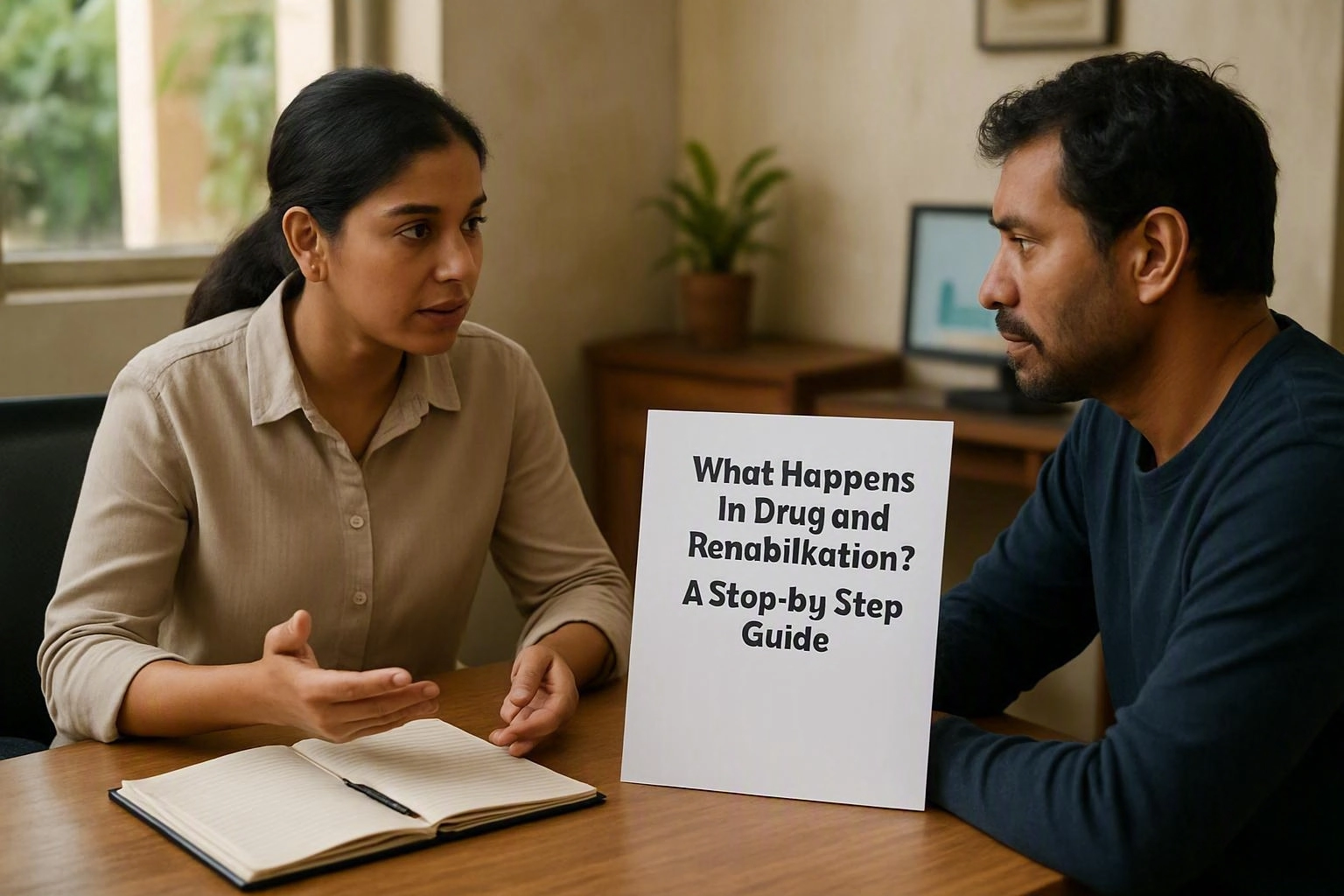
Drug and alcohol rehabilitation provides a structured treatment process for assessment, detoxification, therapy, relapse prevention and continued recovery support.
At Steps Deaddiction & Mental Health Services, our team explains each stage clearly. This helps patients and families make informed choices. A rehabilitation center may offer residential or outpatient care, based on withdrawal risk, medical needs, home safety and treatment goals.
Care isn't a single event. It's a connected programme that may include admission assessment, medical detoxification, residential drug rehabilitation, individual counselling, group therapy, family counselling and aftercare planning.
Families may also find How to Check a De-Addiction Centre’s Registration, Safety and Patient Rights useful before admission.
Quick Answers: What to Expect in Rehab
A rehabilitation centre typically begins with assessment and admission, followed by a personalised treatment plan. Detoxification may be included when withdrawal needs supervision. Residential care then combines medical monitoring, counselling, behavioural therapy and recovery education before discharge planning, relapse prevention and aftercare support.
| Stage | What commonly happens |
|---|---|
| Admission assessment | Staff review substance use, physical health, mental health, safety and consent. |
| Detoxification | Withdrawal is monitored and treated when medical supervision is needed. |
| Therapy | Counselling and behavioural treatment address triggers, thoughts and actions. |
| Recovery planning | The person develops coping skills, routines and relapse-warning responses. |
| Aftercare | Follow-up care and support continue after discharge. |
The order can change. Someone with severe alcohol dependence may need monitored withdrawal before therapy. Another person may begin counselling without residential admission. Staff should explain why the care plan is changing.
What Is the Drug Addiction Treatment Process in a Rehabilitation Centre?
The drug addiction treatment process starts with a clinical assessment. Staff review substance use, withdrawal risk, physical health, mental health and support needs. A rehabilitation centre then builds an individualised plan. It may include detoxification, residential care, counselling, behavioural therapy, family support, medication and aftercare.
Substance use disorder can affect sleep, mood, relationships, work, health and decision-making. Assessment goes beyond asking which substance was used. The care team may ask about quantity, frequency, last use, past withdrawal, overdose, medicines, self-harm risk and earlier treatment.
A care team may include doctors, nurses, counsellors, psychologists, social workers and recovery-support workers. Together, they decide whether the person needs supervised detox, residential treatment, outpatient care or a staged plan.
The individual treatment plan should match the substance involved, the person’s readiness and any mental health conditions. Family preferences also matter. The plan may include sleep and nutrition support, medication review, counselling, group therapy, cognitive behavioural therapy and education about cravings.
Residential rehabilitation offers a structured setting away from substances and familiar triggers. It doesn't remove personal choice. Consent, privacy and shared treatment goals remain important throughout care.
Many planned residential programmes last several weeks to a few months. That's only a typical range, not a fixed rule. Treatment length depends on progress, withdrawal stability, mental health needs, housing, family support and discharge safety. Families can ask about Rehabilitation Centre Cost and Programme Duration: What Families Should Ask without assuming that a longer stay means better care.
What Should Families Expect During Admission?
Families should expect admission staff to gather health, substance-use and safety information. Staff should confirm consent and explain centre routines. They may discuss treatment goals, contact rules, medicines, belongings, visits and emergency contacts. Family involvement usually follows consent, education and recovery planning.
Before arrival, screening may identify urgent medical or mental health needs. Families should share honest details about recent use, seizures, confusion, falls, pregnancy, allergies, prescribed drugs and past withdrawal. This helps staff judge withdrawal severity and medical needs.
On admission, staff may check identity, physical observations, mental health and medicines. They should explain what stays private and when information may be shared for safety. Confidentiality has limits when someone faces an immediate risk of serious harm.
Consent should cover assessment and agreed treatment. A person can ask about medicines, therapy, family contact and leaving against advice. Treatment goals may include stopping use, reducing harm, improving health, repairing relationships or creating a safe care plan.
Family involvement may include a nominated contact, planned visits, family counselling or education sessions. It doesn't mean open access to private clinical information. Staff can share general updates when the patient agrees.
Families can help by bringing approved medicines and documents. They should avoid blame, follow visiting rules and share useful safety details. If communication feels unclear, ask for the key worker’s name and the proper way to raise concerns.
Does Rehab Include Detoxification, and What Happens After Detox?
Rehab may include detoxification, but people need different levels of withdrawal care. Detox manages immediate withdrawal risks. It doesn't complete addiction treatment. After detox, a person usually receives counselling, behavioural therapy, health support, recovery education, family care and relapse-prevention planning.
Detox and rehabilitation are linked but different. Detox manages withdrawal and immediate medical risks. Rehabilitation treats substance use disorder and its wider effects. A safe discharge plan should start before detox ends, with warning signs, follow-up and continuing care.
How Do Therapy and Daily Rehabilitation Support Recovery?
Therapy helps a person understand triggers, change harmful patterns and practise healthier coping skills. Daily rehabilitation may include counselling, group therapy, cognitive behavioural approaches, education, routine building and family sessions. Treatment can also address anxiety, depression, trauma and other mental health needs.
Individual counselling gives the person private time to discuss substance use, motivation, shame, grief, relationships and goals. The counsellor can help find situations that lead to use and plan safer responses.
Group therapy reduces isolation. It also helps people practise listening, honesty, boundaries and mutual support. A therapeutic community may use shared routines and tasks to build accountability without shame or punishment.
Cognitive behavioural therapy links triggers, thoughts, feelings and actions. For example, the thought “I cannot cope without using” can be tested. The person can then create a plan, such as calling support, leaving the situation or delaying action.
Motivation can change during treatment. Staff may use motivational interviewing to explore mixed feelings instead of demanding instant certainty. Progress may include attending sessions, sleeping better, managing anger, accepting help or planning for high-risk situations.
Daily rehabilitation often includes sleep routines, meals, suitable exercise, medicine reviews, education and quiet time. Structure helps people practise for life after discharge. Flexibility still matters for pain, disability, trauma and mental health symptoms.
Co-occurring mental health conditions need care alongside substance use. Anxiety, depression, trauma, psychosis and severe stress can affect cravings and safety. Integrated care helps prevent one problem from being overlooked.
How Does Relapse Prevention Work After Rehabilitation?
Relapse prevention identifies triggers, plans responses to cravings and builds coping skills. It also creates support after discharge. A rehabilitation centre may help the person plan follow-up visits, peer or family support, healthy routines, warning-sign checks and quick help if substance use returns.
Relapse is a health warning, not proof that treatment failed. The safest response is to reduce danger, avoid using alone and contact a clinician or trusted person. Urgent medical help is needed for overdose risk, severe withdrawal, confusion or suicidal thoughts.
Discharge planning should cover housing, work or study, transport, access to substances, family boundaries and follow-up care. These details matter when a person returns to daily life.
Common Questions About the Rehabilitation Treatment Process
The rehabilitation treatment process differs by substance, dependence level, physical health, mental health, withdrawal risk and available support. Common questions cover admission, detox, therapy, treatment length, family contact, privacy, discharge planning and ongoing cravings.
Ask how the provider checks withdrawal severity, medical needs and residential support needs. Ask how care changes for different substances, mental health conditions and family preferences. Clear answers help families compare services without relying on promises or fixed timelines.
Questions About Admission, Detox and Treatment Duration
Pre-admission screening should identify urgent risks and guide withdrawal care. Residential treatment length varies by person. Someone may need short-term stabilisation, several weeks of structured care or a step-down plan with outpatient support.
Questions About Therapy, Families and Daily Life in Rehab
Ask if the programme offers a therapeutic community, family counselling and a structured daily routine. Families should also ask how consent controls communication and how mental health needs are treated.
Questions About Discharge, Aftercare and Relapse Prevention
A discharge plan should list follow-up care, support contacts and relapse warning signs. Continuing care works best when appointments, medicines, family roles and crisis steps are agreed before discharge.
Questions About Rehabilitation Center
What Happens in a Rehabilitation Centre?
People usually receive assessment, treatment planning, withdrawal support when needed, counselling, behavioural therapy, health care, recovery education and discharge planning. Residential care provides structure, while outpatient care supports treatment at home.
What Is the Process of Drug Addiction Treatment?
The process commonly moves from assessment and consent to an individual plan, detox if needed, therapy, health support, family work, relapse prevention and aftercare. The order changes based on safety and clinical need.
Does Rehab Include Detoxification?
Some programmes include detoxification, while others refer patients to a medically equipped service first. The decision depends on substance use, past withdrawal, physical health, alcohol withdrawal risk and needed monitoring.
What Happens After Detox in a De-Addiction Centre?
After detox, treatment addresses substance use disorder through counselling, group therapy, behavioural approaches, health care, family support and relapse-prevention planning. Follow-up care should be arranged before discharge.
How Does Relapse Prevention Work?
It identifies triggers and warning signs, teaches craving skills, strengthens support and creates a quick-response plan. Continuing care helps adjust the plan when stress, mental health symptoms or a lapse raises risk.
What Should Families Expect During Admission?
Expect questions about substance use, health, medicines, safety and consent. Staff should explain routines, privacy limits, visiting rules, contact arrangements and treatment goals. Family participation follows consent and recovery needs.
How Long Does Drug Rehabilitation Usually Take?
There is no universal duration. Many residential programmes last several weeks to a few months, but the right length depends on withdrawal risk, progress, mental health, housing, support and discharge plans.
What Is the Difference Between Detox and Rehabilitation?
Detox manages withdrawal and immediate medical risks. Rehabilitation is the broader treatment programme for substance use, triggers, behaviour, mental health, relationships, coping skills and long-term recovery.
What Therapies Are Used in Drug and Alcohol Rehabilitation?
Programmes may use individual counselling, group therapy, cognitive behavioural therapy, motivational approaches, psychoeducation, family counselling and mental health treatment. The mix should match the person’s needs and goals.
Can Family Members Visit Someone in Rehab?
Visits may be allowed under centre rules and with the patient’s consent. Timing, visitors, communication and privacy rules differ. Ask about visits and available family sessions.
What Happens After Completing a Rehabilitation Programme?
The person follows a discharge and aftercare plan. This may include appointments, counselling, medicine reviews, peer support, family involvement, healthy routines and checks for relapse warning signs.
What Should Someone Do if They Relapse After Rehab?
Move away from danger, contact a trusted person or clinician and review the relapse plan quickly. Don't use alone. Seek urgent medical help for overdose symptoms, severe withdrawal, confusion or suicidal thoughts.
Choosing care is easier when families understand assessment, withdrawal care, therapy, privacy and continuing support. If you want to discuss treatment options or ask what information is needed for an assessment, contact our team.
Author: Prasanta Dash
Get a Free EstimateRelated Resources
Inpatient or Outpatient Rehab: Which Level of Care Is Better?
inpatient vs outpatient rehab Bhubaneswar
Compared ToDetox or Full Rehab: Understanding Which Addiction Treatment You Need
detox vs rehab Bhubaneswar
How to HireHow to Choose an Alcohol Rehabilitation Centre
alcohol rehabilitation centre Bhubaneswar
How to HireHow to Choose a Drug Rehabilitation Centre
drug rehabilitation centre Bhubaneswar