Recognising Alcohol Withdrawal Symptoms and Emergencies
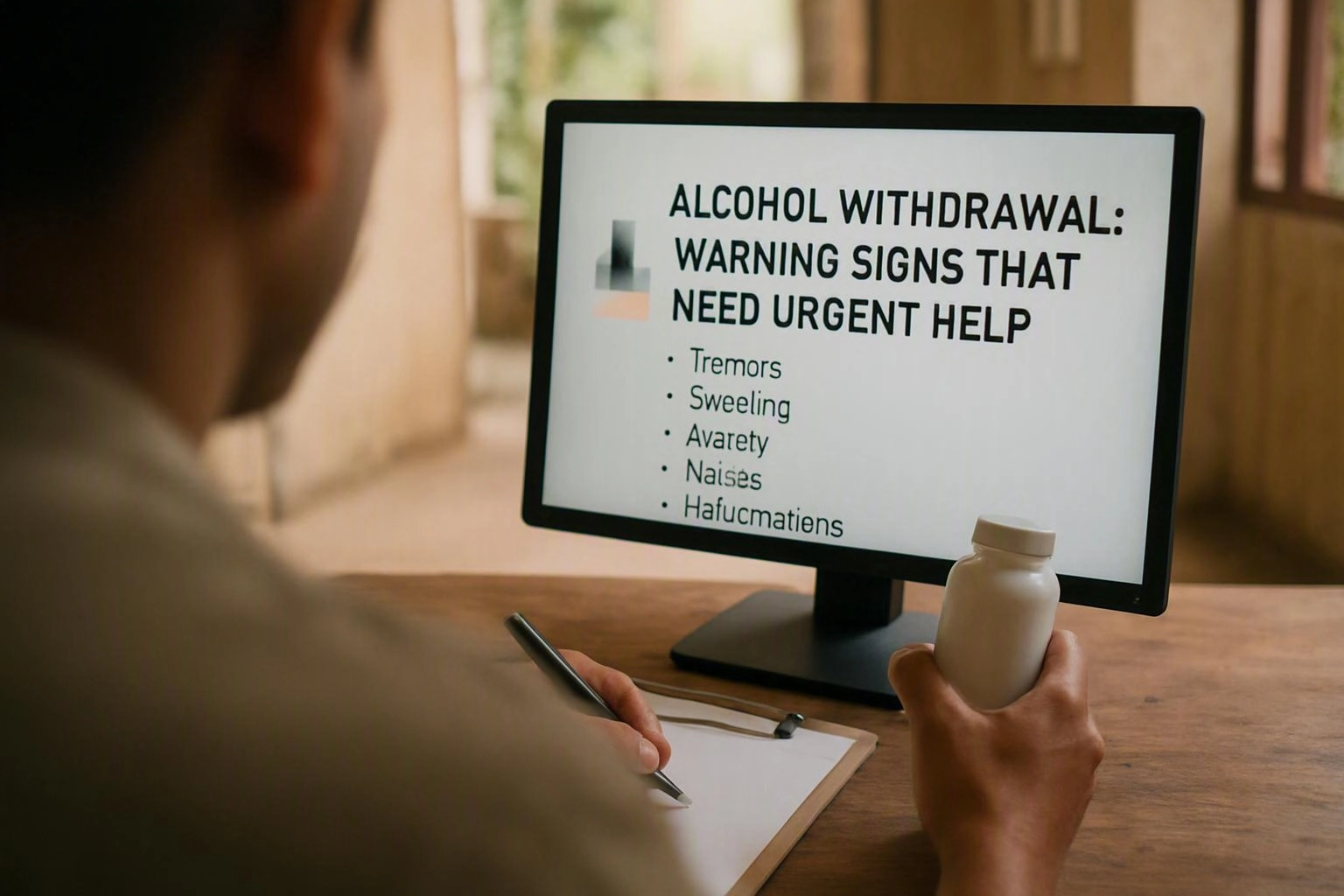
Alcohol withdrawal can cause anxiety, sweating and nausea. It can also cause seizures, hallucinations and delirium tremens. Symptoms may start within hours after heavy drinking stops or drops. They can become worse quickly. Anyone with severe confusion, a seizure, hallucinations, repeated vomiting, breathing problems or high fever needs emergency medical help. People with past severe withdrawal, daily heavy drinking, health problems or pregnancy should get medical advice first. Medical detox, monitoring and rehabilitation support can lower risks and support ongoing addiction treatment.
Contact Us TodayWritten by Prasanta Dash, Founder & Managing Trustee · 10 years of local experience
Alcohol withdrawal needs urgent treatment when symptoms become severe. Early action helps families choose emergency care, supervised withdrawal or addiction support.
Written by Prasanta Dash.
What Is Alcohol Withdrawal and When Does It Start?
Alcohol withdrawal is the body’s response to cutting down or stopping alcohol after heavy, repeated use. Symptoms can start within hours and often worsen during the first one to three days. The risk depends on the person’s level of dependence. Past severe withdrawal raises the risk of another dangerous episode.
Alcohol dependence can develop when the body adapts to regular alcohol use. The brain adjusts its balance between calming and stimulating signals. Over time, alcohol may seem necessary to prevent shaking or distress. This is a medical condition, not a lack of willpower.
After alcohol stops, symptoms may begin with mild unease. Anxiety, poor sleep, sweating and nausea can appear first. More serious problems may follow. The timeline differs from person to person. Drinking habits, overall health, past detox and other substances all matter.
Some people improve with medical support. Others become seriously unwell within a short time. A past withdrawal seizure or delirium tremens episode is important information for a clinician. It means sudden stopping without supervision may be unsafe.
Families shouldn't judge risk by drink count alone. Share the last drink, usual intake, medicines and other drugs honestly. A professional may suggest an emergency department, hospital detox or monitored care through an Alcohol Rehab Centre.
What Are the Common Symptoms of Alcohol Withdrawal?
Common symptoms include anxiety, irritability, shaky hands, sweating, headache, nausea, vomiting, poor sleep and a fast heartbeat. They may start within hours of the last drink. Hallucinations, seizures, severe confusion and fever need immediate medical care.
Early symptoms can feel severe, but they aren't always life-threatening. Still, symptoms can change quickly. Anyone who has stopped drinking needs a clear safety plan. Common early signs include:
Other signs include light sensitivity, mild fever and mood changes. Alcohol hallucinosis can cause a person to see or hear things that aren't there. The person may remain alert. Urgent medical advice is still needed because worse withdrawal can occur too.
Keep watching the person. Don't assume symptoms have peaked. Confusion, seizures, severe agitation, repeated vomiting or trouble drinking fluids means emergency care may be needed.
What Happens When You Stop Drinking Alcohol?
Stopping alcohol can make the brain and nervous system unusually active. The body has adapted to alcohol’s calming effects. Mild symptoms may start within hours, and withdrawal often peaks during the first few days. Medical monitoring helps spot problems early.
Alcohol affects brain signals linked to alertness, movement, relaxation and stress. With regular use, the brain works to balance alcohol’s slowing effects. When alcohol suddenly stops, that balance remains changed for a while. This can cause shaking, anxiety, sweating and a fast pulse.
Symptoms may begin six to twenty-four hours after the last drink. Seizures can happen during the first day or two. They may occur with little warning. Severe confusion and delirium can develop later. The risk is higher with strong dependence or past complications.
The nervous system can become overactive. Blood pressure, temperature, breathing and heart rhythm may change. Vomiting and sweating can cause dehydration. Poor nutrition may increase weakness and confusion. Vital sign checks give clinicians information that appearance alone cannot provide.
Stopping alcohol isn't simply a matter of waiting. Medical advice matters after daily heavy drinking, failed attempts to stop or sedative use. The guide “Do You Need Detox Before Rehab? Understanding Withdrawal Safety” explains why assessment should come first.
When Is Alcohol Withdrawal an Emergency?
Alcohol withdrawal emergency signs include seizures, hallucinations, severe confusion, delirium, repeated vomiting, breathing trouble, chest pain, fainting, high fever or rapidly worsening symptoms. Call emergency services or go to an emergency department at once. Don't leave the person alone or restrain them unsafely.
A withdrawal seizure may cause stiffening, jerking, collapse or loss of awareness. Move nearby objects away and protect the person’s head. Time the seizure. Don't put anything in the mouth. Don't give food or drink during the seizure. Don't hold the body down. Get emergency care even if the person seems better later.
Delirium tremens is a serious withdrawal complication. It can cause deep confusion, agitation, frightening hallucinations, fever, heavy sweating and shaking. Heart rate and blood pressure may become unstable. It can be fatal without hospital treatment. Take anyone with suspected delirium to an emergency department.
Severe dehydration also needs urgent care. Repeated vomiting, little urine, extreme weakness, dizziness or an inability to keep fluids down may require fluids through a vein. Breathing trouble, chest pain, fainting or a new irregular heartbeat may signal another emergency.
Tell emergency staff about the last drink, usual intake, health conditions, medicines and other substances. Stay nearby and keep the area calm while help is coming. Seizures, delirium and unstable symptoms need fast emergency care.
Why Can Alcohol Withdrawal Be Dangerous?
Alcohol withdrawal can overactivate the nervous system. This can affect the brain, heart, circulation and fluid balance. Seizures may occur during withdrawal. Delirium tremens can cause severe agitation, confusion and unstable heart function.
Dehydration, vomiting and poor eating can upset the body’s mineral balance. Low mineral levels can affect the muscles, heart and brain. Dehydration can also worsen weakness, dizziness and a fast heart rate. Safe testing usually needs medical care.
Emergency clinicians can check for other causes of confusion or collapse. These include head injury, infection, low blood sugar and drug toxicity. Suspected severe withdrawal shouldn't be treated with alcohol, unprescribed sedatives or physical restraint.
What Increases the Risk of Severe Withdrawal?
Risk rises with long-term heavy drinking, past withdrawal seizures or delirium tremens. Repeated detox attempts, older age, pregnancy, liver disease, heart disease and sedative use also raise risk. These factors make unsupervised stopping unsafe. They support the need for medical assessment.
Risk checks should happen before regular addiction treatment begins. A rehabilitation centre may review drinking history, past withdrawal, mental health, illness, medicines, pregnancy and other substances. Vital signs and current symptoms help show if hospital care comes first.
Common risk factors include:
There is no safe home formula based only on age or drink quantity. Tolerance can hide alcohol dependence. Someone may look well shortly before becoming seriously unwell. Share complete information privately with the treatment team. This helps them arrange the right level of care.
How Can Medical Support Make Alcohol Withdrawal Safer?
Medical support checks withdrawal risk and dependence. It monitors vital signs and treats symptoms. It can prevent seizures, correct dehydration and provide nutrition, including thiamine when needed. A rehabilitation centre can also provide detox, counselling, relapse prevention and ongoing addiction treatment.
Care should match the person’s risk. A clinician may recommend hospital treatment for severe symptoms. A medically supervised detox service may suit significant risk. Residential support may be suitable when the person is stable enough.
Twenty-four-hour supervision matters because symptoms can change quickly. Our team should escalate care if someone has a seizure, delirium, breathing trouble or unstable vital signs. Detox is the start of recovery, not the whole treatment.
People seeking support may describe our service as Alcohol rehabilitation centre Bhubaneswar in Bhubaneswar when discussing local options. An Alcohol Rehab Centre should explain its assessment process clearly. It should protect private information and arrange aftercare.
How Can You Prepare for Safer Alcohol Cessation?
Safer alcohol cessation starts with medical advice. This matters after daily heavy drinking or past severe withdrawal. Arrange supervision, share all medicines and substances, choose emergency contacts and plan rehabilitation support. Don't stop suddenly alone when severe withdrawal is possible.
Preparation should focus on safety, not an exact timeline. A support person can watch for changes and speak with clinicians. They can also act during an emergency. They shouldn't provide medical treatment or manage a seizure alone.
No one should feel they must manage withdrawal alone. Private support may include family meetings, clinical reviews and referrals. Once medically stable, our team can link detox with therapy, recovery planning and home support.
Withdrawal can reveal other substance-use concerns. The guide “Prescription Drug Dependence: Signs It Is Time to Seek Help” may help when alcohol is combined with prescription medicines or sedatives.
Early symptoms may start six to twenty-four hours after the last drink. The most intense period often occurs during the first one to three days. This range is only a guide. Emergency symptoms can happen outside it.
| Typical stage | What may occur | Safer action |
|---|---|---|
| First hours | Anxiety, sweating, tremor or nausea | Seek medical advice and arrange observation |
| First one to three days | Symptoms may intensify; seizures are possible | Use medically supervised care when risk is present |
| Any time | Confusion, delirium, hallucinations or unstable breathing | Call emergency services or attend an emergency department |
Planning can also lower relapse risk. Arrange a safe place to stay, follow-up visits and help with sleep, triggers, relationships and mental health. Residential care may be safer if home support is unreliable.
Alcohol Withdrawal Symptoms When to Seek Medical Help
Seek medical help when withdrawal symptoms begin after heavy or dependent drinking. Seek emergency care for seizures, hallucinations, severe confusion, repeated vomiting, breathing problems, chest pain, fainting or high fever.
Don't wait for every warning sign. Anyone with dependence, past severe withdrawal or a major health condition should contact a clinician before stopping. Early advice can help prevent an avoidable emergency.
If you're unsure, tell emergency services about the symptoms and drinking history. Don't drive if the person is confused, faint, having seizures or medically unstable. Use confidential treatment support after immediate danger has passed.
Alcohol Withdrawal Symptoms
Alcohol withdrawal symptoms can range from mild nervous-system changes to life-threatening complications. Anxiety, tremor, sweating, nausea, poor sleep and a fast heartbeat are common early signs. Hallucinations, seizures and delirium need urgent medical assessment.
The safest response depends on risk. Past mild withdrawal doesn't guarantee the same experience next time. Medical assessment, supervised detox and ongoing addiction treatment are safer than stopping alone.
Questions About Rehabilitation Center
Alcohol Withdrawal Symptoms When to Seek Medical Help?
Seek medical advice before stopping after daily heavy drinking, alcohol dependence or past severe withdrawal. Seek emergency help for a seizure, hallucinations, severe confusion, delirium, repeated vomiting, breathing trouble, chest pain, fainting or high fever.
Alcohol Withdrawal Symptoms?
Common symptoms include anxiety, irritability, tremor, sweating, headache, nausea, vomiting, poor sleep and a fast heart rate. Serious symptoms include hallucinations, seizures, severe confusion, delirium, dehydration and unstable vital signs.
When Is Alcohol Withdrawal an Emergency?
Alcohol withdrawal is an emergency with a seizure, hallucinations, severe confusion, delirium tremens, repeated vomiting, breathing problems, chest pain, fainting, high fever or worsening symptoms. Call emergency services or go to an emergency department immediately.
What Happens When You Stop Drinking Alcohol?
The brain and nervous system may become overactive after alcohol stops. The body has adapted to alcohol’s calming effects. Symptoms can start within hours and worsen during the first few days. Monitoring helps manage seizures, dehydration, mineral changes and other complications.
Can Alcohol Withdrawal Be Dangerous?
Yes. Severe withdrawal can cause seizures, delirium tremens, dangerous dehydration, mineral imbalance and unstable heart function. Risk is higher with heavy drinking, past severe withdrawal, health conditions or sedative use. Professional assessment is important.
Related Resources
Inpatient or Outpatient Rehab: Which Level of Care Is Better?
inpatient vs outpatient rehab Bhubaneswar
Compared ToDetox or Full Rehab: Understanding Which Addiction Treatment You Need
detox vs rehab Bhubaneswar
How to HireHow to Choose an Alcohol Rehabilitation Centre
alcohol rehabilitation centre Bhubaneswar
How Long It TakesHow Long Does Addiction Rehabilitation Take?
how long does drug rehabilitation take Bhubaneswar