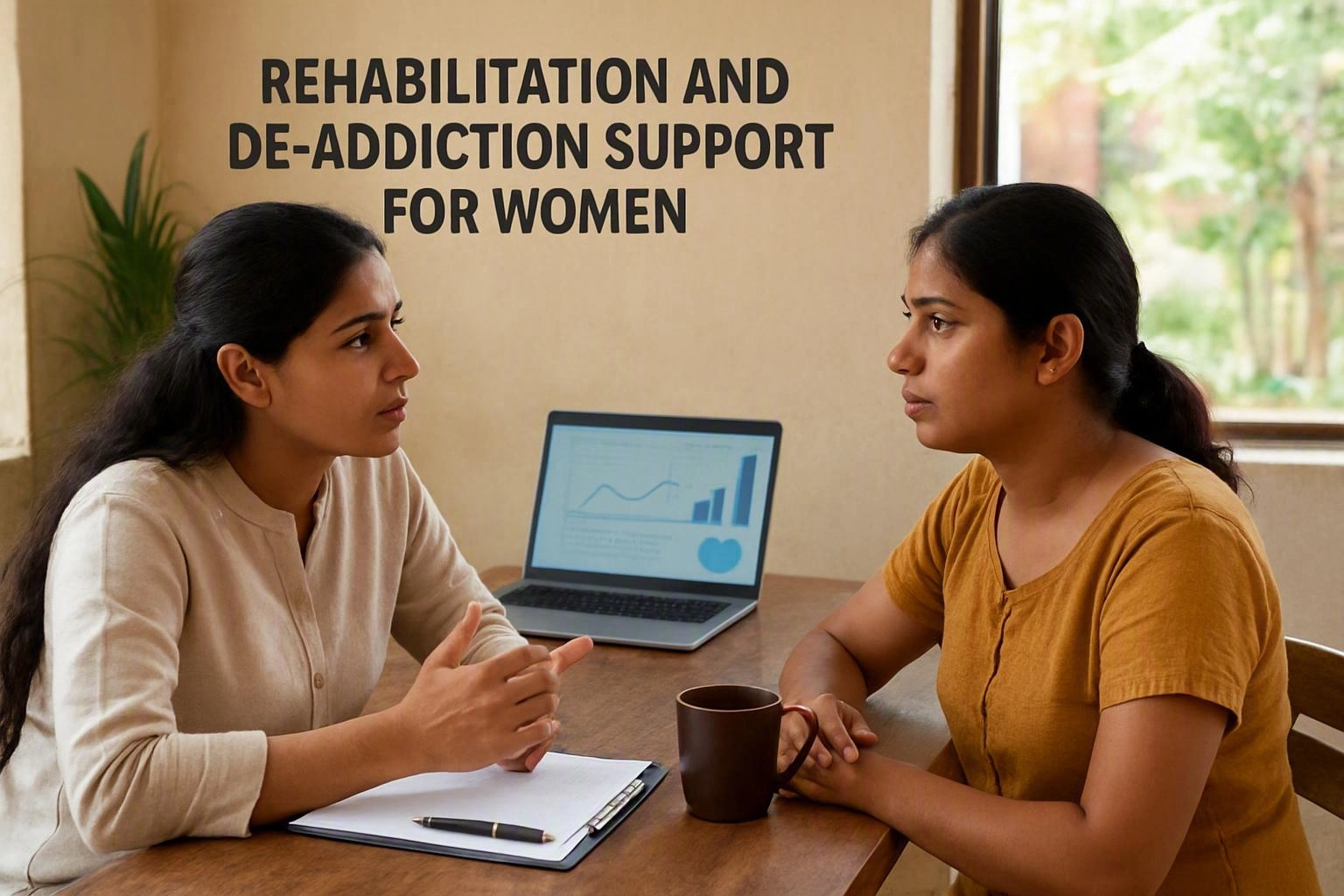
Women’s Rehabilitation and De-Addiction Support
Women’s rehabilitation centres offer structured alcohol and drug addiction treatment. Care may include medically supervised detox, counselling, trauma-informed care, relapse prevention, and ongoing support. At Steps Deaddiction & Mental Health Services, we help women and families understand their treatment options. We consider clinical needs, recovery goals, and personal circumstances. Women should ask about privacy, safety, qualified care, mental health services, and family support. They should also ask if residential or outpatient treatment is suitable. Mothers may receive residential care when a centre can safely support childcare, family contact, and other duties.
Contact Us TodayWritten by Prasanta Dash, Founder & Managing Trustee · 10 years of local experience
Written by Prasanta Dash
Are There Rehabilitation Centres for Women?
Women’s rehabilitation centres provide alcohol and drug addiction treatment for women. These centres consider clinical, emotional, social, and safety needs. Care may include assessment, detoxification, residential rehabilitation, outpatient counselling, psychiatric support, relapse prevention, family involvement, and aftercare.
A women’s rehabilitation centre may provide women-only spaces and safer communication. These features can help patients speak openly. Still, each woman needs an individual treatment plan. A qualified team should assess substance use, physical health, mental health, withdrawal risk, relationships, and recovery goals.
Alcohol rehabilitation may address drinking habits, cravings, withdrawal, liver health, sleep problems, and relapse risks. Drug rehabilitation may focus on the substance used, overdose risk, medication needs, mood, and behaviour. Some women need medical detox before counselling starts. Others may benefit from structured outpatient counselling.
People may compare an Alcohol rehabilitation centre Bhubaneswar option with a Drug rehab centre in Bhubaneswar. Location matters, but it should not be the only factor. Ask if the rehabilitation center has trained clinical staff, strong privacy rules, mental health support, and a clear aftercare plan.
Why Women May Need Gender-Responsive Addiction Treatment?
Gender-responsive addiction treatment recognises needs that some women may face during recovery. These needs can include trauma, anxiety, depression, pregnancy concerns, caregiving duties, relationship violence, and social stigma. A women-centred programme can adjust communication, safety planning, family contact, and therapy. It should never assume that all women share the same history.
Women-specific addiction care should remain focused on each person. Gender is one part of treatment planning. The goal is safer, more practical care that fits a woman’s life and recovery needs.
What Should Women Look for in an Addiction Treatment Centre?
Women choosing an addiction treatment centre should compare several areas of care. These include clinical assessment, supervised withdrawal, qualified counselling, trauma-informed care, privacy, safety, mental health support, family contact, and aftercare. The right programme should match the woman’s substance use, health risks, goals, duties, and need for residential or outpatient care.
| Consideration | This Audience | General Case |
|---|---|---|
| Safety and privacy | Ask about women-only spaces, private communication, safeguarding, visitor rules, and protection from harassment. | Ask how the centre protects residents, visitors, and patient information. |
| Trauma and mental health | Check if clinicians can assess trauma, depression, anxiety, domestic abuse, and other mental health needs. | Check if mental health conditions are assessed and treated. |
| Family and caregiving | Discuss contact with children, parenting duties, family sessions, and plans for residential care. | Discuss family involvement and communication during treatment. |
| Medical care | Ask about withdrawal risks, pregnancy concerns, medicines, physical health, and referrals. | Ask how the centre manages assessment, detoxification, and emergencies. |
| Continuity of recovery | Look for relapse prevention, counselling, support groups, and plans for returning to family or work. | Look for discharge planning, aftercare, and relapse-prevention support. |
Ask for clear answers instead of relying on programme names. A residential plan may begin with an assessment. Detox or stabilisation may follow when needed. Several weeks of therapy may come next, followed by support after discharge. Treatment length depends on substance use, withdrawal risk, health needs, progress, and family circumstances.
Women can ask if the team provides dual diagnosis care. This means treating addiction and mental health conditions together. It can connect counselling, medication reviews, family therapy, and relapse prevention.
How Does Trauma Affect Addiction Treatment?
Trauma can affect addiction treatment by increasing fear, distrust, distress, withdrawal problems, and early treatment dropout. Trauma-informed rehabilitation focuses on physical and emotional safety. It also uses informed consent, patient choice, respectful communication, and mental health care. Staff should not force disclosure. They should address trauma at a safe pace.
Trauma may include domestic violence, sexual trauma, childhood abuse, serious loss, neglect, or repeated danger. Post-traumatic stress can cause nightmares, alertness, avoidance, irritability, numbness, and poor focus. Alcohol or drugs may offer short-term relief from these feelings. They can still cause serious long-term harm.
Trauma-informed care does not require a woman to share painful events before she is ready. Staff should explain each step and ask for consent. They should offer choices when possible and respect personal boundaries. Emotional safety also needs regular routines, private talks, respectful care, and a clear way to report unsafe behaviour.
When trauma and addiction occur together, a dual diagnosis assessment can guide treatment. Care may include addiction counselling, trauma-informed therapy, psychiatric review, coping skills, sleep support, and safety planning. A referral may be needed if the centre cannot provide suitable psychological or medical care.
Can Mothers Receive Residential Addiction Treatment?
Mothers can receive residential addiction treatment when a programme can safely support their medical, emotional, parenting, and family needs. Before admission, mothers should ask about child contact, childcare, visitors, urgent messages, family counselling, treatment length, and discharge plans. Each family needs an individual assessment.
Residential addiction treatment can offer structure when home life includes substances, conflict, unsafe relationships, or constant stress. It can give a mother time for supervised detox, therapy, peer support, and recovery skills. Admission still needs a safe plan for children and other dependants.
Childcare may involve relatives, a trusted caregiver, community services, or another safe option. The team should explain who can visit and how often contact is allowed. It should also explain urgent messages and safeguarding rules. Mothers should not feel forced to choose between treatment and their children’s safety.
Family therapy can support honest talks, rebuild trust, and prepare relatives for recovery. Planning should also cover school, work, housing, transport, money, and unsafe relationships. The guide Family Support in Addiction Recovery: Counselling, Boundaries and Aftercare may help families discuss these concerns.
What Privacy and Safety Questions Should Women Ask a Rehab Centre?
Women should ask a rehab centre who can access their records and how privacy is protected. They should ask if accommodation is women-only and how staff handle harassment or violence. They should also ask about treatment consent, visitor checks, and emergency safety procedures. Clear answers help women decide if care is safe and suitable.
Before sharing personal details, a woman may request a private meeting with a suitable clinician. She can ask how information is stored and when family members may be contacted. She can also ask if consent can be withdrawn. Privacy may have legal limits during some emergencies, so the centre should explain these limits clearly.
Privacy Questions
Safety Questions
Common Challenges Women May Face During Recovery
Women in recovery may face stigma, caregiver stress, relationship pressure, trauma symptoms, financial dependence, and relapse triggers. They may also fear losing family contact. Rehabilitation should address these concerns with practical plans, respectful counselling, mental health care, family education, and ongoing support.
Treatment can become harder when a woman worries about work, housing, children, or a partner’s response. A relapse prevention plan should list high-risk situations and early warning signs. It should also include supportive contacts, coping steps, and actions after a lapse. The plan can change as her situation changes.
Some women return to places where alcohol or drugs remain available. A gradual transition can help. Outpatient counselling, peer support, prescribed medication reviews, and family boundaries may strengthen recovery. If a teenager or young adult needs help, Addiction Treatment for Teenagers and Young Adults may offer a better age-specific approach.
Features That Support Women’s Long-Term Recovery
Long-term recovery needs personalised assessment, counselling, safe peer groups, family education, relapse planning, mental health care, coping skills, and aftercare. Women may benefit when treatment connects residential or outpatient care with support for relationships, parenting, work, health, and community life.
Key Programme Features
Common Challenges to Plan For
Ongoing recovery may include counselling, family therapy, support groups, mental health care, and planned check-ins. A women’s addiction rehabilitation plan should work outside the centre. It should also change as recovery develops.
Questions About Rehabilitation Center
Are There Rehabilitation Centres for Women?
Yes. Women’s rehabilitation centres provide alcohol rehabilitation, drug rehabilitation, supervised detoxification, counselling, mental health assessment, trauma-informed care, relapse prevention, and aftercare. Ask if the programme offers women-only accommodation, qualified care, family support, and suitable residential or outpatient treatment.
What Should Women Look for in an Addiction Treatment Centre?
Compare clinical assessment, medical supervision, withdrawal support, trauma-informed therapy, privacy, safeguarding, mental health care, family communication, relapse prevention, and aftercare. The programme should match the woman’s substance use, health risks, recovery goals, duties, and need for residential rehabilitation or outpatient counselling.
How Does Trauma Affect Addiction Treatment?
Trauma can increase fear, distrust, distress, withdrawal problems, and early treatment dropout. Trauma-informed care uses consent, patient choice, respectful communication, emotional safety, and coordinated dual diagnosis support. Staff should not force disclosure and should address trauma at a safe clinical pace.
Can Mothers Receive Residential Addiction Treatment?
Yes, when the programme can safely address medical needs, parenting duties, childcare, family contact, safeguarding, and discharge plans. Mothers should ask about visits, urgent communication, family therapy, treatment length, and continuing care before admission. Each family situation needs an individual assessment.
What Privacy and Safety Questions Should Women Ask a Rehab Centre?
Ask who can access records and how privacy is protected. Ask if accommodation is women-only and how staff report harassment or violence. Also ask about consent, visitor checks, and medical or safety procedures during emergencies. Clear answers help you decide if treatment is safe and suitable.
Choosing rehab for women is a personal clinical decision. Our team can discuss alcohol or drug use, withdrawal concerns, trauma, mental health care, family duties, residential care, outpatient options, and aftercare. This can help you choose an informed and practical next step.
Contact the support teamRelated Resources
Inpatient or Outpatient Rehab: Which Level of Care Is Better?
inpatient vs outpatient rehab Bhubaneswar
Compared ToDetox or Full Rehab: Understanding Which Addiction Treatment You Need
detox vs rehab Bhubaneswar
How to HireHow to Choose an Alcohol Rehabilitation Centre
alcohol rehabilitation centre Bhubaneswar
How to HireHow to Choose a Drug Rehabilitation Centre
drug rehabilitation centre Bhubaneswar